


Track Rollers for Excavators and Crawler Undercarriages
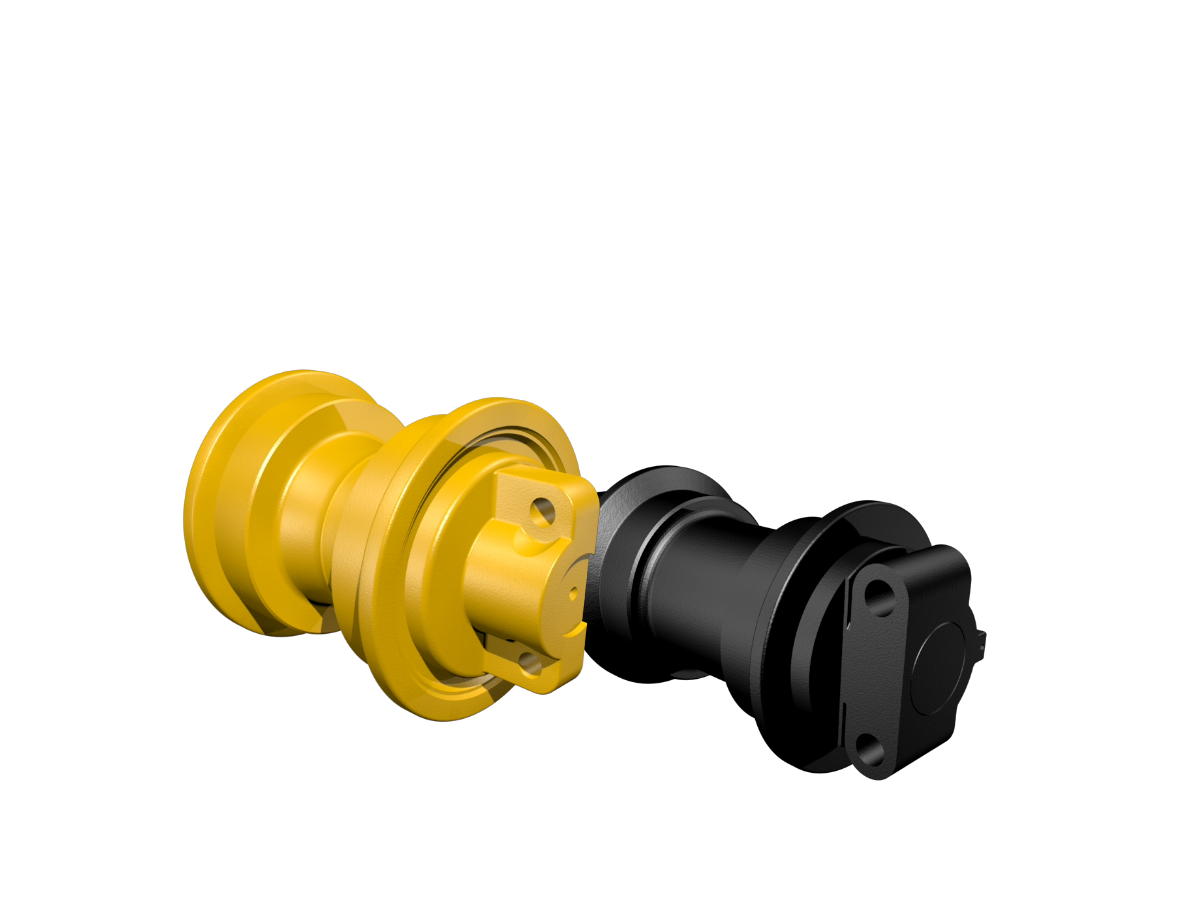
Track rollers for excavators and crawler undercarriages are identified by reference number, machine model, roller position, flange design and track type. This category includes track rollers for rubber-track and steel-track undercarriages as well as single-flange, double-flange, triple-flange and other machine-specific versions.
- Selection by reference number, machine model and undercarriage version
- Versions for rubber-track and steel-track undercarriages
- Identification by flange design, roller position and track type
📞 +49 (0)2241 26 56 700
Create your LIS customer account and get full access to our undercarriage filters.
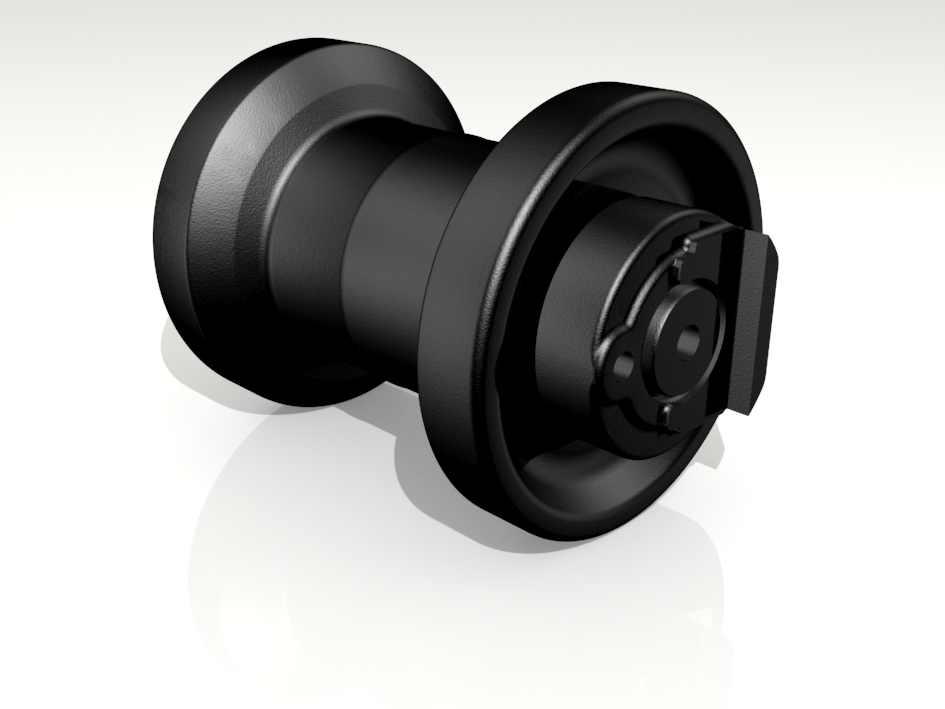
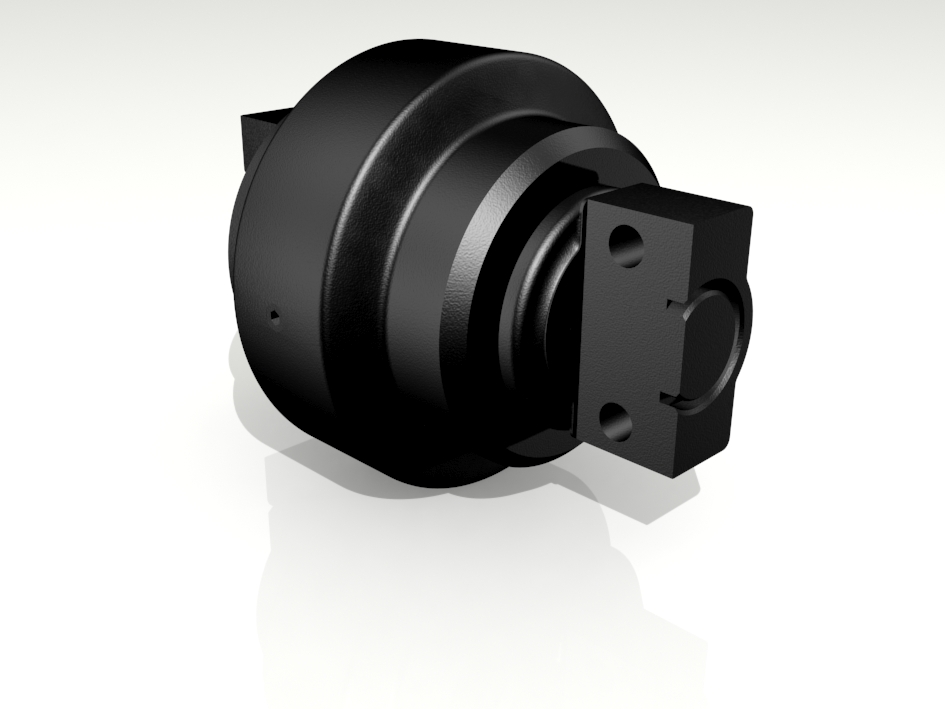
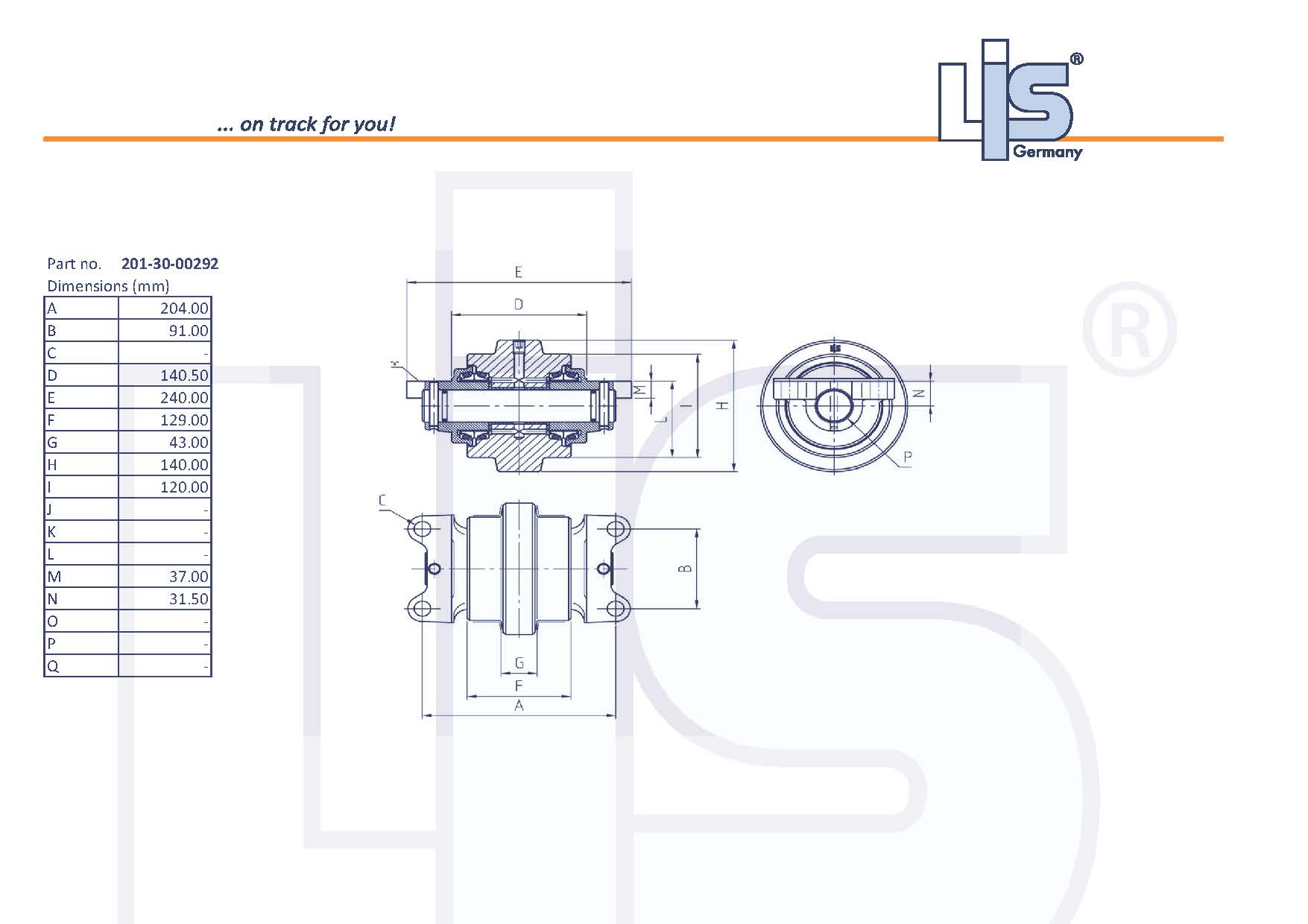
Correctly identifying track rollers in crawler undercarriages
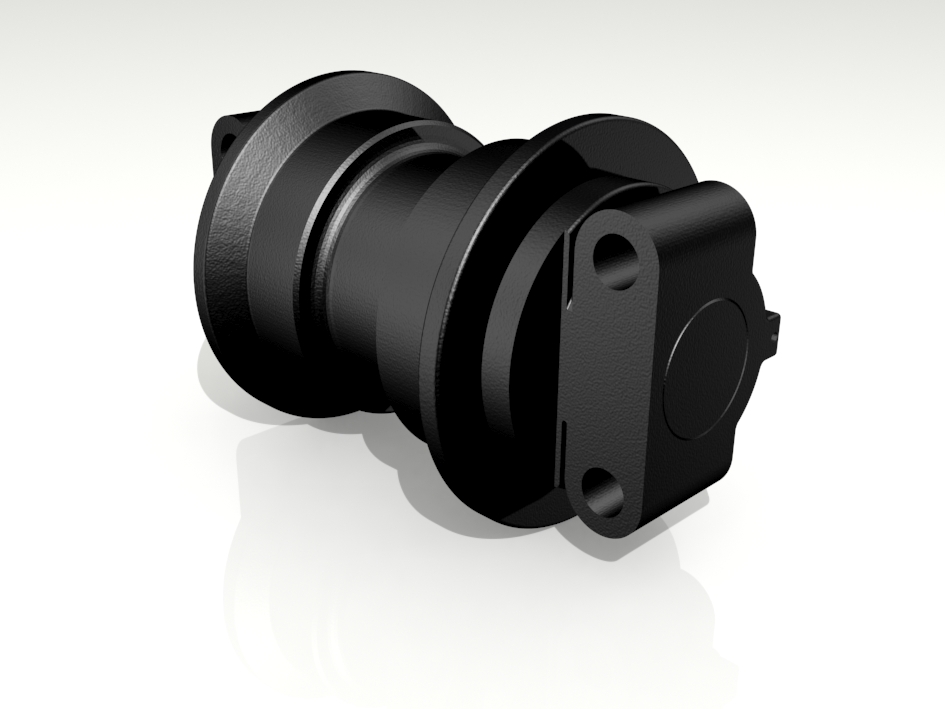
Track rollers work in the lower track run and are among the loaded components in the crawler undercarriage. They influence track guidance, load distribution and the wear pattern within the undercarriage. For spare parts identification, the machine designation alone is therefore not sufficient; the specific undercarriage version must also be considered.
The decisive points are reference number, machine model, roller position, flange design, track type and component dimensions. Especially on machines with different series, undercarriage widths or rubber-track and steel-track versions, the existing track roller should be checked against the product data, available component dimensions or a technical drawing.
Selection by reference number, machine and undercarriage version
In spare parts practice, the reference number is the most important starting point for identification. In addition, machine model, undercarriage design and track type must be checked, because similar machines may use different track rollers depending on series, year of manufacture or equipment version.
Track rollers operate as part of the complete undercarriage system together with track chains, track shoes, rubber tracks, idlers, sprockets and track adjusters. A noticeable wear pattern on a track roller should therefore not be assessed in isolation, but always in relation to the complete undercarriage.
Correctly identifying flange designs on track rollers
The flange design is a key feature for the lateral guidance of the track run. It must match the intended roller position, the track geometry and the undercarriage version of the machine. Single-flange, double-flange, triple-flange, inner-flange, outer-flange and centre-flange versions are not quality grades, but construction-specific designs of the respective crawler undercarriage.
The decisive factor is not the higher number of flanges, but the correct assignment to the machine. A non-matching flange design or a different undercarriage version can influence track guidance and create an unfavourable contact pattern. Possible consequences include one-sided flange wear, uneven wear on the running surface or lateral contact of the track against the roller and guide elements.
- Single-flange track roller: track roller with one lateral guide flange. It is used where the undercarriage design provides one-sided guidance of the track run.
- Double-flange track roller: track roller with guide flanges on both sides. It guides the track run on both sides and must match the intended roller position in the undercarriage.
- Triple-flange track roller: product-data-specific special version with additional guide geometry. It should only be used when the machine or technical assignment requires this design.
- Inner-flange track roller: version with inner guide geometry in relation to the track or undercarriage guidance. Existing design, installation position and contact pattern should be checked before identification.
- Outer-flange track roller: version with outer guide geometry. It is not automatically interchangeable with an inner-flange version.
- Centre-flange track roller: version with centrally positioned guide geometry. The centre guide must match the track or undercarriage geometry.
If the design is unclear, reference number, machine model, track type, roller position and existing component dimensions should be checked together. Comparing the removed track roller with a technical drawing can also support correct identification.
Checking complete track roller or roller body
A roller body is not automatically the same as a complete, ready-to-install track roller. Whether the item is a complete track roller, a roller body or a product-specific assembly should be checked using the respective product data. This applies in particular to scope of supply, design, mounting and technical drawing.
Track rollers for rubber-track and steel-track undercarriages
Track rollers for rubber-track undercarriages and steel-track undercarriages may differ in guide geometry, contact surface and undercarriage assignment. On rubber-track systems, the fit to the internal guide geometry of the track is relevant. On steel-track systems, track chain, links, track shoes and lateral guidance are more important.
Universal interchangeability between rubber-track and steel-track undercarriages should not be assumed. Before replacement, the existing track roller, track type, roller position and component dimensions should be checked. On steel-track undercarriages, the interaction with sprockets and idlers is also relevant, as both components influence track guidance and the wear pattern.
Checking wear on track rollers and flanges
The condition of a track roller should be assessed across several inspection points. Relevant factors are running surface, roller diameter, flange condition, sealing area, rotation behaviour and contact pattern between track roller, track and guide elements. Typical signs of advanced wear include reduced roller diameter caused by worn running surfaces, one-sided flange wear, sharp flange edges, scoring, clear leakage or stiff-running rollers.
A light oil film in the sealing area is not automatically the same as a function-critical leakage. It should be assessed whether there is clear lubricant leakage with adhering dirt, stiff rotation, a blocked roller or other noticeable irregularities.
One-sided flange wear can indicate lateral load, angled travel, frequent turning under load, incorrect track tension or unfavourable undercarriage alignment. In such cases, not only the individual track roller should be checked, but also track, idler position, sprocket, track frame and track adjuster.
Blocked, stiff-running or heavily damaged track rollers can increase wear on the track chain, track links, track shoes and other undercarriage components. Replacement should therefore not be assessed only by visible roller damage, but by the condition of the complete undercarriage.
Track rollers and carrier rollers in the undercarriage
Track rollers and carrier rollers perform different functions in the crawler undercarriage. Track rollers work in the lower track run and are relevant for load support and track guidance in the lower undercarriage area. Carrier rollers support the upper return run of the track and are treated as a separate undercarriage component.
For spare parts identification, it should therefore be checked whether a lower track roller or an upper carrier roller is required. This distinction is particularly important with general or English product terms such as Track Roller, Bottom Roller, Lower Roller or Carrier Roller.
Track rollers as part of undercarriage inspection
Replacing individual track rollers is often part of a broader undercarriage assessment. If several track rollers show a similar wear pattern, track chains, track shoes, rubber tracks, idlers, sprockets, track adjusters and fastening components should also be checked.
To select the correct LIS® track roller, reference number, machine model, flange design, track type and existing component dimensions should be compared. If identification is unclear, checking the technical drawing or comparing the part with the removed component is recommended.
📞 +49 (0)2241 26 56 700