


Track Adjusters for Excavators and Crawler Undercarriages
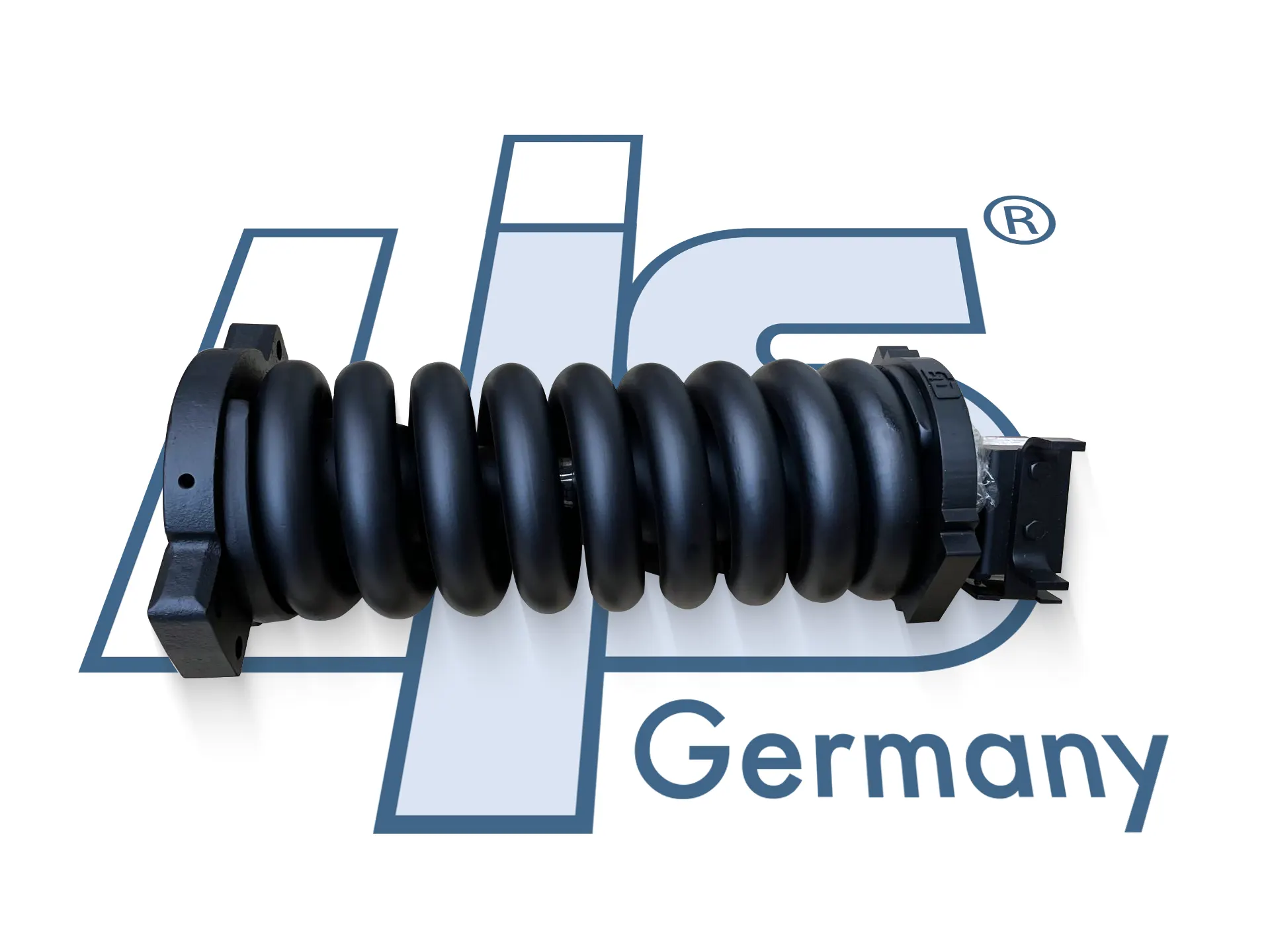
Track adjusters for excavators and crawler undercarriages are identified by reference number, machine model, undercarriage version, idler section and assembly type. As track tensioners, they operate in the undercarriage tensioning system and influence the position of the idler in relation to the track.
- Identification by reference number, machine model and undercarriage version
- for excavators, mini excavators and crawler undercarriages
- checked by idler section, adjustment travel, connection geometry and component dimensions
📞 +49 (0)2241 26 56 700
Create your LIS customer account and get full access to our undercarriage filters.
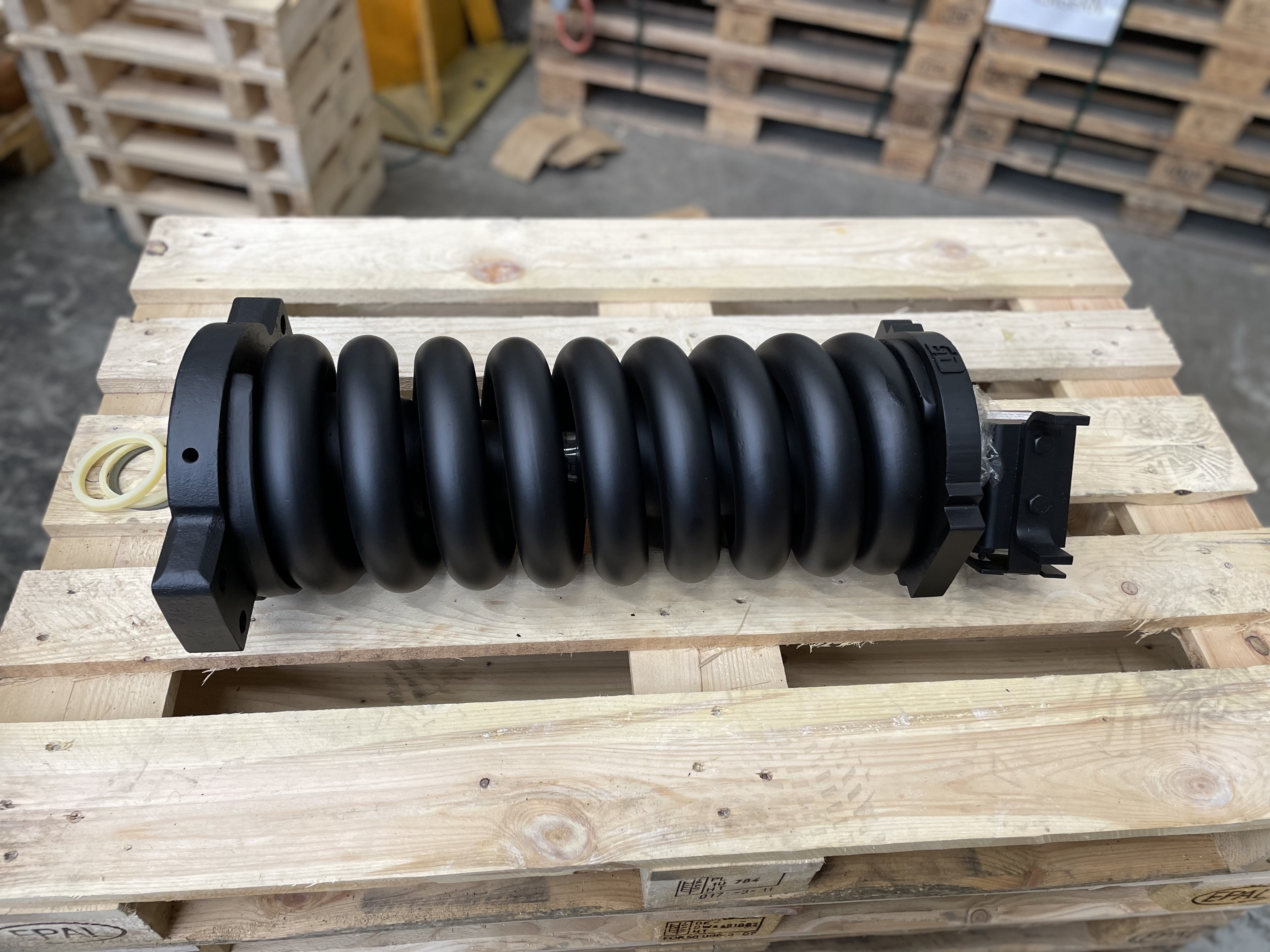
Track adjusters in the idler section of the crawler undercarriage
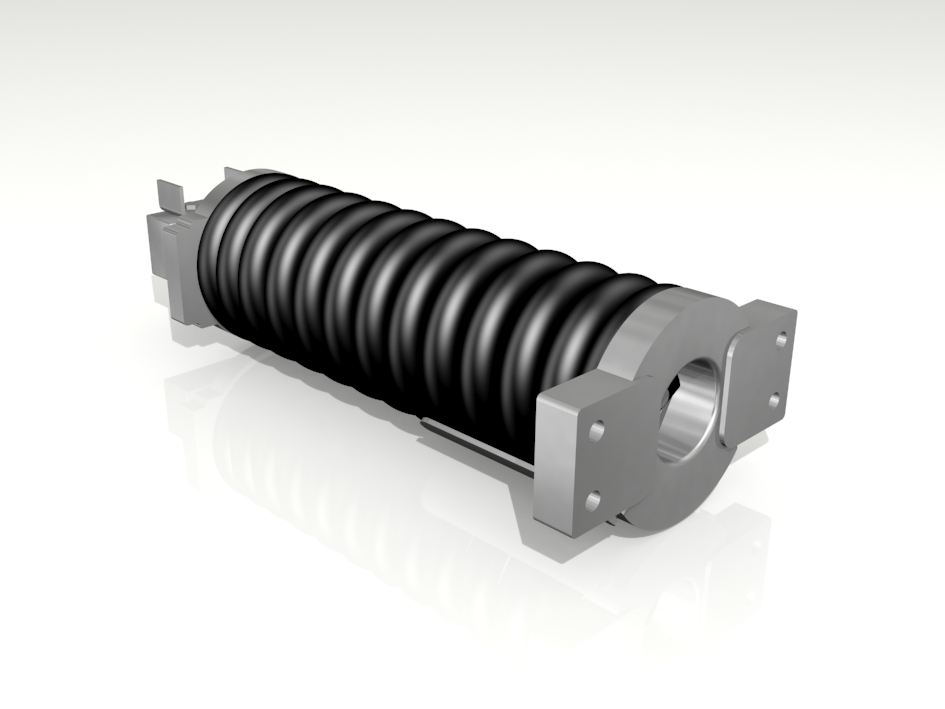
Track adjusters are installed in the tensioning system of the crawler undercarriage. They work in the area of the idler, track frame and track chain. The track adjuster is used to set or hold the position of the idler in relation to the track, depending on the assembly, adjustment travel and undercarriage version.
For workshop identification and spare parts procurement, the machine designation alone is not sufficient. The relevant points to check are reference number, machine model, undercarriage version, idler section, assembly type, adjustment travel and existing component dimensions. On machines with different series, long-arm versions, varying undercarriage widths or modified idler mounts, a visually similar track adjuster may differ technically.
Product data: track adjuster, track tensioner, recoil spring assembly
Product data and spare parts catalogues use different terms for the tensioning system: track adjuster, track tensioner, track adjuster assembly, recoil spring assembly or, in German product data, Spanneinheit and Kettenspanner. Depending on the manufacturer, these terms may describe a complete tensioning assembly or individual components in the area of the grease adjuster, tensioning cylinder and recoil spring.
The actual scope of supply must therefore be checked for each product. Depending on the design, the assembly may include tensioning cylinder or grease adjuster, recoil spring, piston, valve, mounting interface, axle, fastening points and other connection-specific components. The decisive factor remains the match with reference number, machine, undercarriage version and existing assembly.
Selection by reference number, machine and assembly
The reference number is the main starting point for technical identification. Machine model, series, undercarriage version and idler section should also be compared, because the same machine series may use different tensioning systems depending on series, undercarriage variant or idler version.
For workshop comparison, especially installation length, connection geometry, adjustment travel, cylinder area, spring area, mounting interface and fastening points are important. Individual dimensions do not replace reference-number and machine verification, but they can help compare the existing assembly with product data or a technical drawing.
Interaction with idler, track and track frame
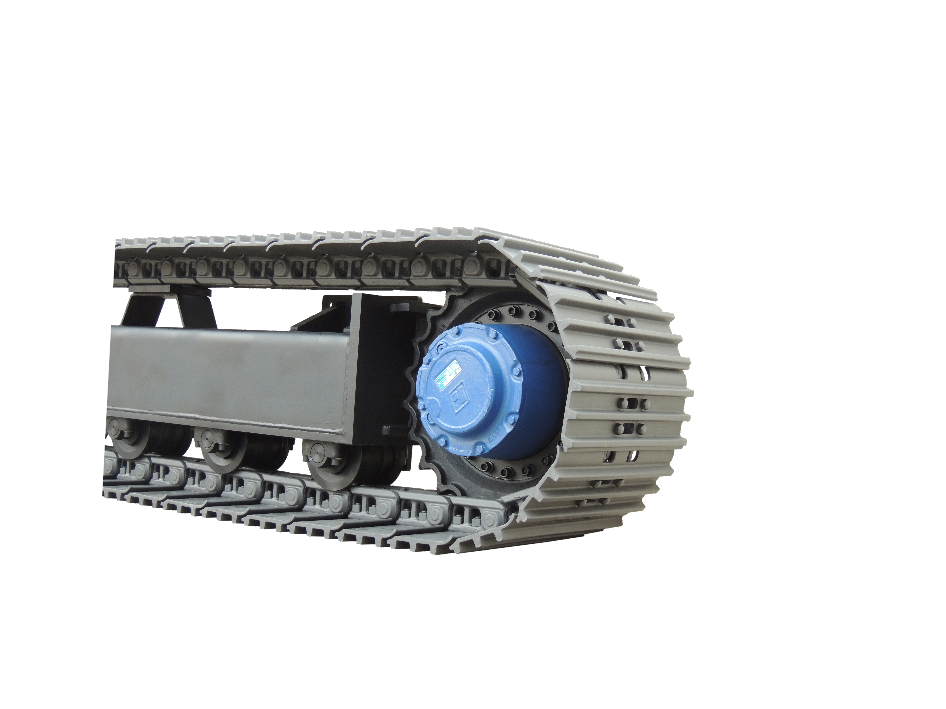
The track adjuster does not operate as an isolated component. It is directly connected with idlers, track chains, rubber tracks, track rollers, carrier rollers and sprockets. A change in the tensioning system changes the idler position and affects the track run within the undercarriage.
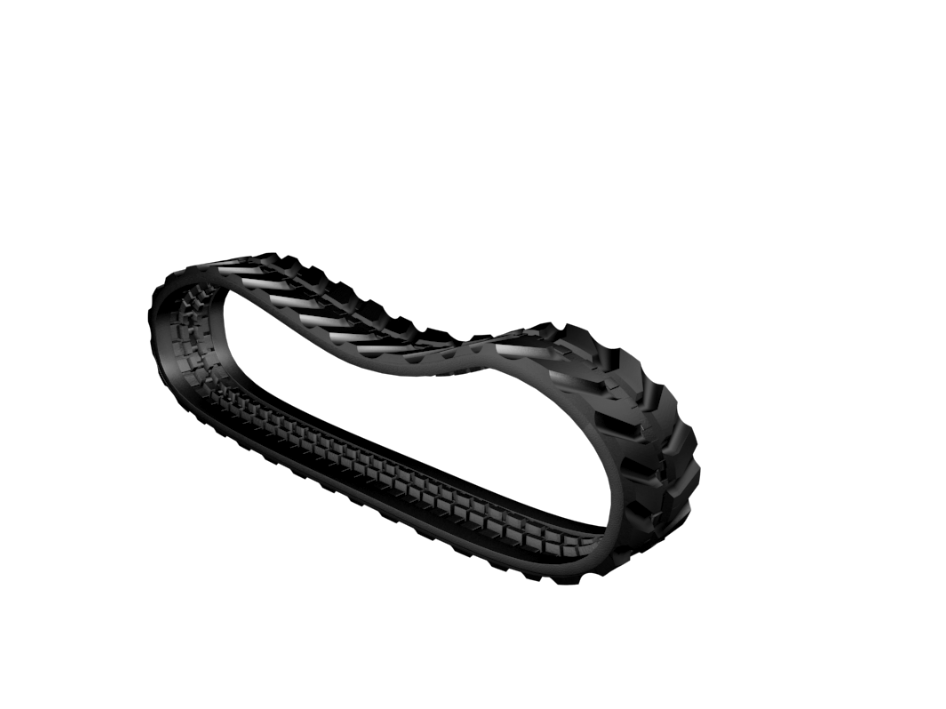
A track that is too loose or too tight can change the contact pattern in the undercarriage. If the track run is unusual, not only the track and track adjuster should be checked, but also the idler mount, track frame, rollers, sprocket and track guidance. Steel-track and rubber-track undercarriages may require different assemblies and component geometries.
Inspection points for loss of tension, grease leakage or unusual idler position
A track adjuster should be checked if the track cannot be brought to the specified tension, loses tension again after a short operating period or the adjustment travel is visibly used up. Further indicators are grease leakage at the tensioning cylinder, problems when applying grease through the grease valve or grease nipple, an unusual idler position or unstable track movement.
In such cases, the track tensioner should not be assessed on its own. The idler mount, track frame, tensioning cylinder, grease valve, grease nipple, piston area, recoil spring, track and track guidance should also be checked. Dirt, stones, corrosion, damaged mounts or blocked guide surfaces in the idler or tensioning area can also affect movement of the assembly.
Note for work on the tensioning system
Track adjusters may contain preloaded springs and pressurised grease. Work on the tensioning system should be carried out according to the machine manufacturer's instructions and by qualified personnel. Before loosening components, pressure condition, access to the grease valve and the installation situation on the undercarriage must be considered.
This category text supports technical spare parts identification. Installation, releasing tension and repair work on the tensioning system must be carried out according to the machine manufacturer's instructions, workshop procedures and the technical data of the specific article.
Track adjusters as part of undercarriage inspection
Replacing a track adjuster is often part of a broader undercarriage assessment. If track tension, idler position or track movement is unusual, idlers, track chains, rubber tracks, track rollers, carrier rollers, sprockets and fastening components should also be checked.
To select the correct LIS® track adjuster, reference number, machine model, undercarriage version, idler section, assembly type, adjustment travel and existing component dimensions should be compared. The LIS® undercarriage filter supports technical identification of track adjusters and track tensioners for excavators, mini excavators and crawler undercarriages.
📞 +49 (0)2241 26 56 700