


Rubber Tracks for Excavators, Mini Excavators and Construction Machinery
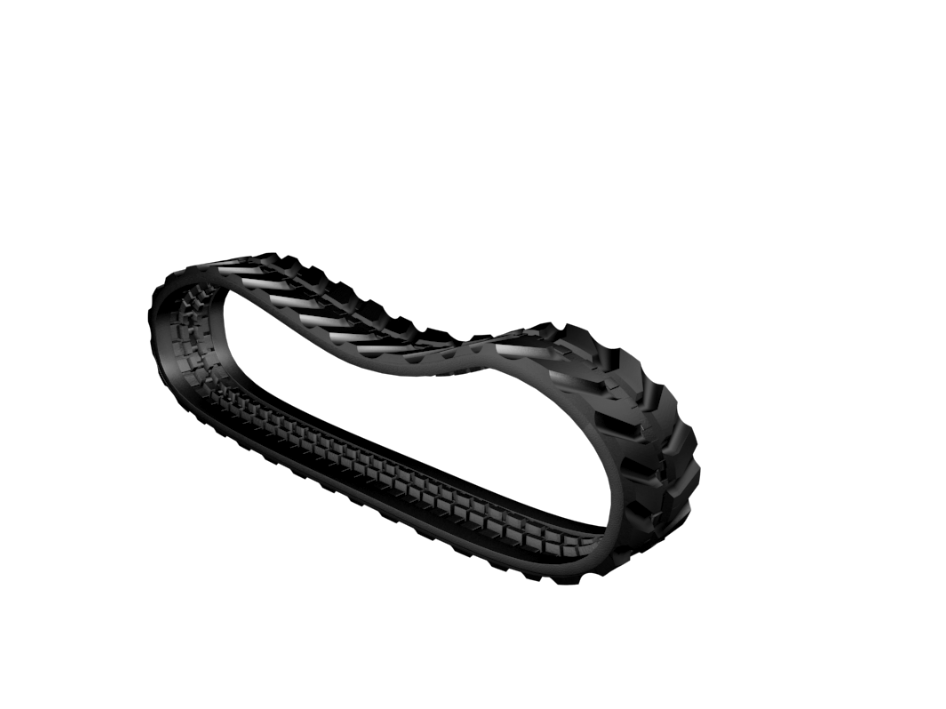
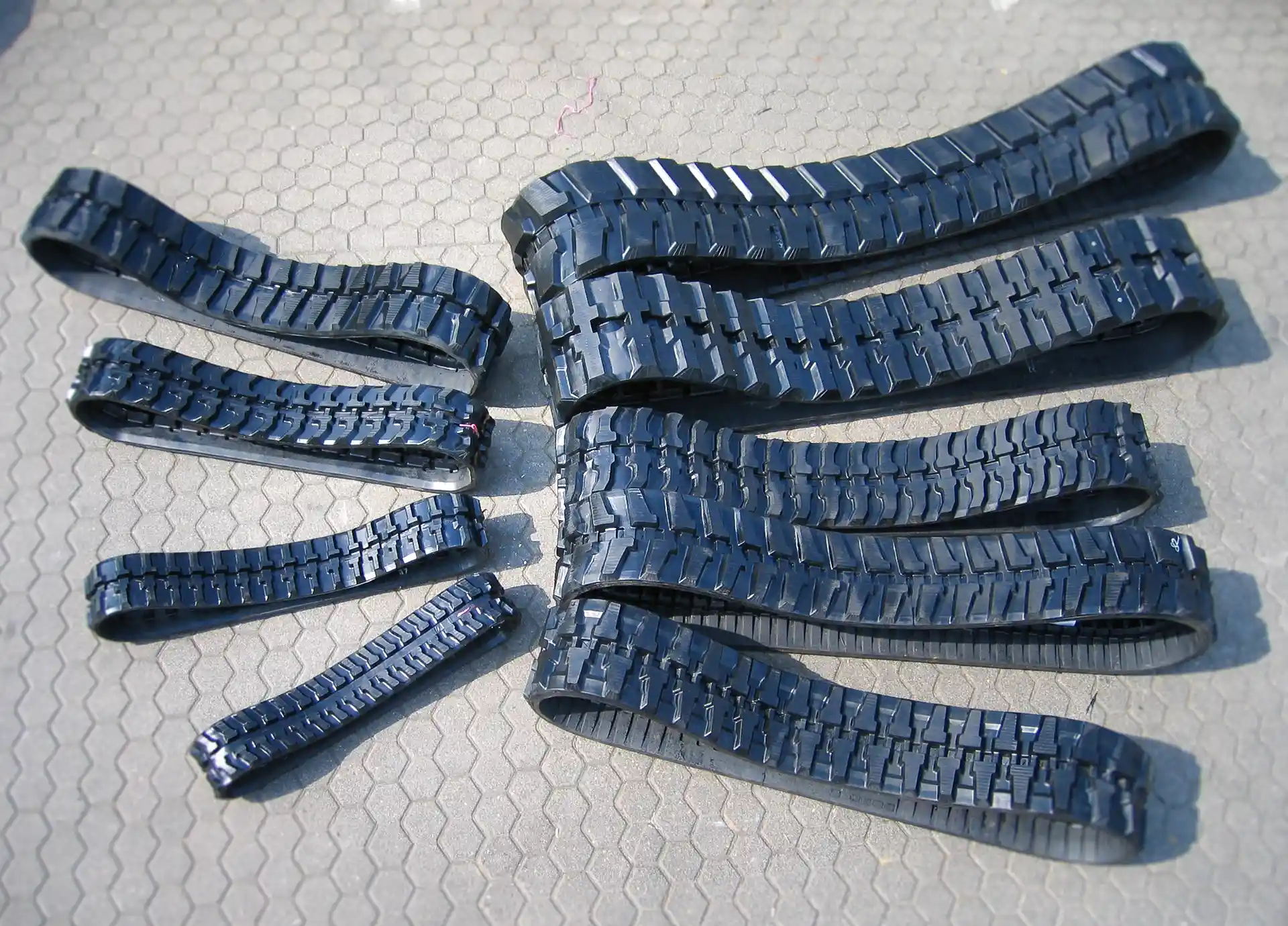
Rubber tracks for excavators, mini excavators and construction machinery are assigned at LIS® by machine model, width, pitch, number of links and track version. LIS® rubber tracks in OEM quality are designed for selected machines with rubber-track undercarriages.
- selection via LIS® rubber track finder, machine model or track size
- identification by width, pitch, number of links, track version and undercarriage variant
- rubber tracks, excavator tracks and crawler rubber tracks from 150 to 900 mm width
📞 +49 (0)2241 26 56 700
Find your matching rubber track
Search for machines (e.g. Kubota KX71 -3)
Search by dimensions (e.g. 400/74/72.5W)
- Undercarriage
-
Rubber Tracks
- Rubber Tracks 150mm
- Rubber Tracks 180mm
- Rubber Tracks 190mm
- Rubber Tracks 200mm
- Rubber Tracks 230mm
- Rubber Tracks 250mm
- Rubber Tracks 260mm
- Rubber Tracks 280mm
- Rubber Tracks 300mm
- Rubber Tracks 320mm
- Rubber Tracks 350mm
- Rubber Tracks 370mm
- Rubber Tracks 380mm
- Rubber Tracks 400mm
- Rubber Tracks 420mm
- Rubber Tracks 450mm
- Rubber Tracks 485mm
- Rubber Tracks 500mm
- Rubber Track 550mm
- Rubber Tracks 600mm
- Rubber Tracks 700mm
- Rubber Tracks 750mm
- Rubber Tracks 800mm
- Rubber Tracks 900mm
- Rubber tracks at a bargain price
- Tooth and Teeth systems
- Edges and Blades
- Excavator buckets
- Demolition and sorting grab
- Hydraulic breaker
- Quick couplers & swing couplers
- Spare Parts
- LIS Wiki
- LIS Aktuell
- Filters for Construction Machinery
- Buckets - Configurator
Selecting rubber tracks by machine or existing track
The selection of a rubber track starts either with the machine model or with the existing track. For workshops, spare parts dealers and fleet operators, the key criteria are width, pitch, number of links, track version, inner guide type, machine model and undercarriage version.
The LIS® rubber track finder supports identification by manufacturer and model. If the existing track marking is still readable, the technical product data should also be compared with the marking on the track or with the measured individual values. This is particularly important for machines that may use different rubber tracks depending on year of manufacture, series or undercarriage version.
Checking width, pitch, number of links and track version
Rubber tracks for excavators, mini excavators, dumpers and compact loaders are technically identified by the combination of width, pitch, number of links and track version. These values must not be assessed separately. A different pitch, number of links or inner guide type can require a different rubber track even if the width is the same.
Track size information may be shown in different orders depending on the data source, product name or marking on the track. For technical selection, the individual values are decisive: width in mm, pitch in mm, number of links and the specified track version. The order of the figures must therefore be checked before a size designation is transferred from another source.
Why the same width does not automatically mean the same rubber track
The same track width is not sufficient for ordering. Two rubber tracks with a width of 230 mm, 250 mm, 300 mm, 400 mm or 450 mm may differ in pitch, number of links, inner guide type, core geometry, guide design or track version.
The decisive factor is always the complete size combination together with the machine model and the installed undercarriage version. Especially on mini excavators, crawler dumpers, carrier undercarriages, compact loaders and aerial work platforms, similar model names may require different rubber tracks.
Track versions: SRT, K, KX, N, W, Y and BT
Depending on the article, LIS® rubber tracks are listed with versions such as SRT standard, K inner guide, KX inner guide, N inner guide, W inner guide, Y inner guide or BT. Reinforced outer versions are marked accordingly on the article. These designations are technical identification features and must be checked together with width, pitch, number of links, machine model and installed undercarriage version.
The track version describes the product-specific guide or inner guide logic of the respective rubber track. As designations may be used differently depending on manufacturer and data source, the LIS® product data and the displayed machine assignment are decisive for ordering.
Construction of LIS® rubber tracks
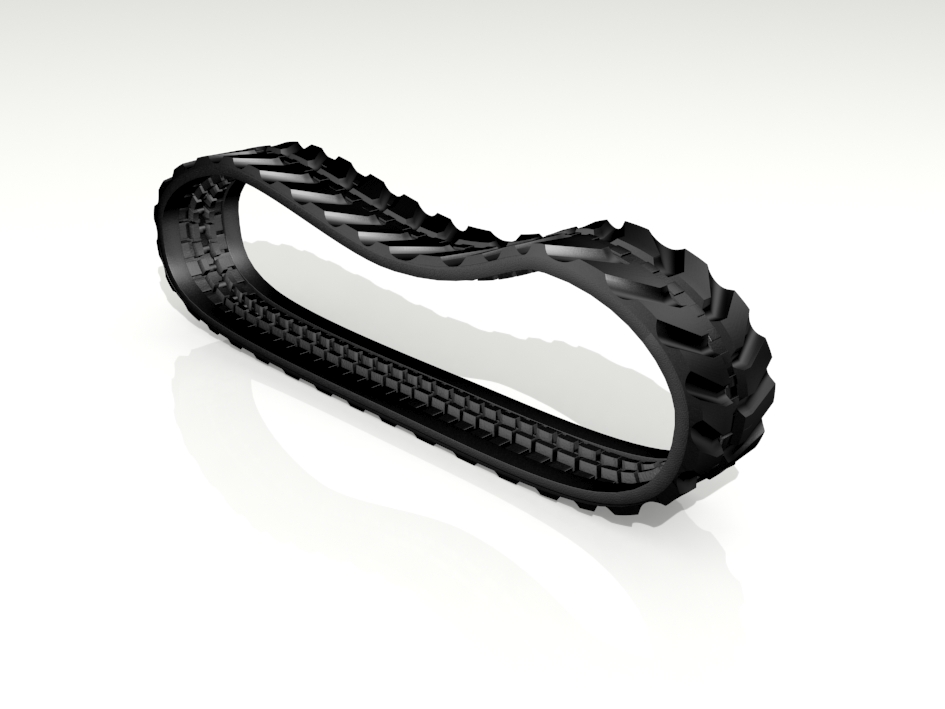
LIS® rubber tracks are built with continuously wound steel cords and trapezoidal steel cores. The steel cores are prepared for bonding with the rubber layer using a dip-dry coating process. On the outside, the rubber layer forms the contact and wear zone of the track.
The reduced spacing between the steel cores can support lower-vibration travel behaviour. For selection, the technical assignment remains decisive: width, pitch, number of links, track version, machine model and installed undercarriage geometry must match the respective undercarriage.
Checking rubber tracks within the undercarriage system
A rubber track does not work in isolation within the undercarriage. For a reliable technical assessment, adjacent undercarriage parts should also be checked, especially sprockets, idlers, track rollers, carrier rollers and track adjusters.
If the track runs unevenly, repeatedly comes off, shows damaged guide areas or develops abnormal wear, the rubber track, sprocket, idler, track rollers, carrier rollers, track adjuster and track frame should be assessed together. A new rubber track must match both the installed undercarriage geometry and the condition of the adjacent components.
Installation, track tension and undercarriage condition
When replacing a rubber track, the track, sprocket, idler, track rollers, carrier rollers, track adjuster and track frame should be inspected together. Damaged guide areas, worn undercarriage components or incorrect track tension can affect the running behaviour and service life of the new track.Rubber tracks, excavator tracks and crawler rubber tracks
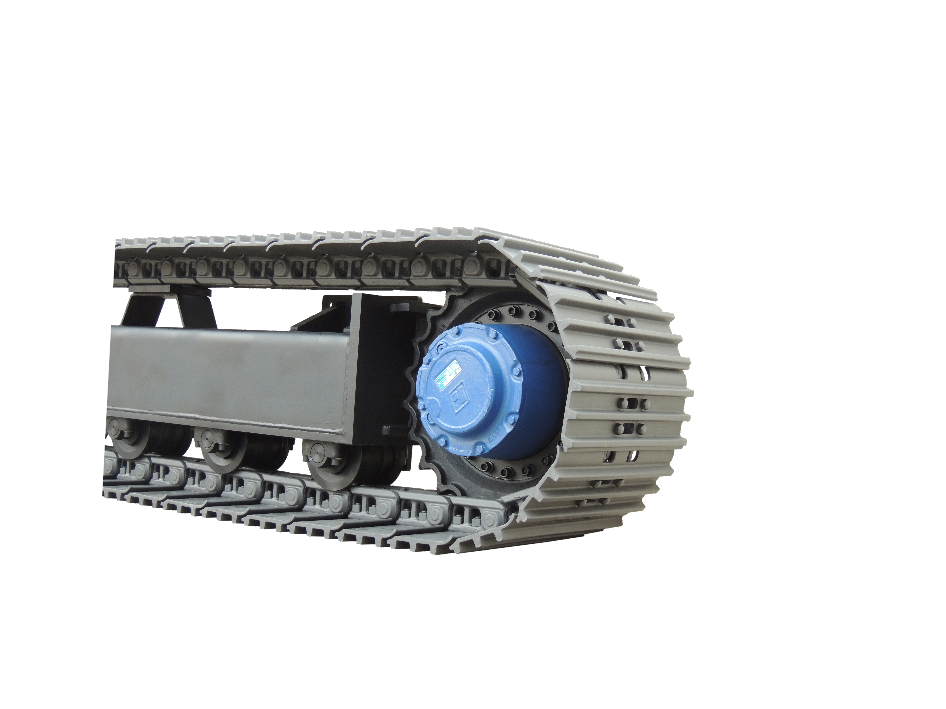
Different terms are used in the market: rubber tracks, excavator tracks, crawler rubber tracks, rubber tracks for mini excavators or tracks for mini excavators. The LIS® rubber track cluster covers rubber-track undercarriages and rubber tracks for machines with rubber-track undercarriages, not steel tracks.
If a steel-track undercarriage is required instead of a rubber track, the appropriate undercarriage categories are track chains, complete track chains, track shoes or rubber pads, depending on the required component.
LIS® rubber tracks in OEM quality
LIS® rubber tracks are used in OEM quality. Selection remains a technical assignment: size data, track version, inner guide type, machine model and undercarriage version must match the existing machine.
Selection by width categories
The width categories are the quick starting point when the width of the existing rubber track is known. Common entry points include 230 mm rubber tracks, 250 mm rubber tracks, 300 mm rubber tracks, 400 mm rubber tracks, 450 mm rubber tracks and 600 mm rubber tracks.
The width is only the first filter. Before ordering, pitch, number of links, track version, machine model and installed undercarriage variant should be checked against the respective product.
📞 +49 (0)2241 26 56 700