


Idlers for Excavators and Crawler Undercarriages
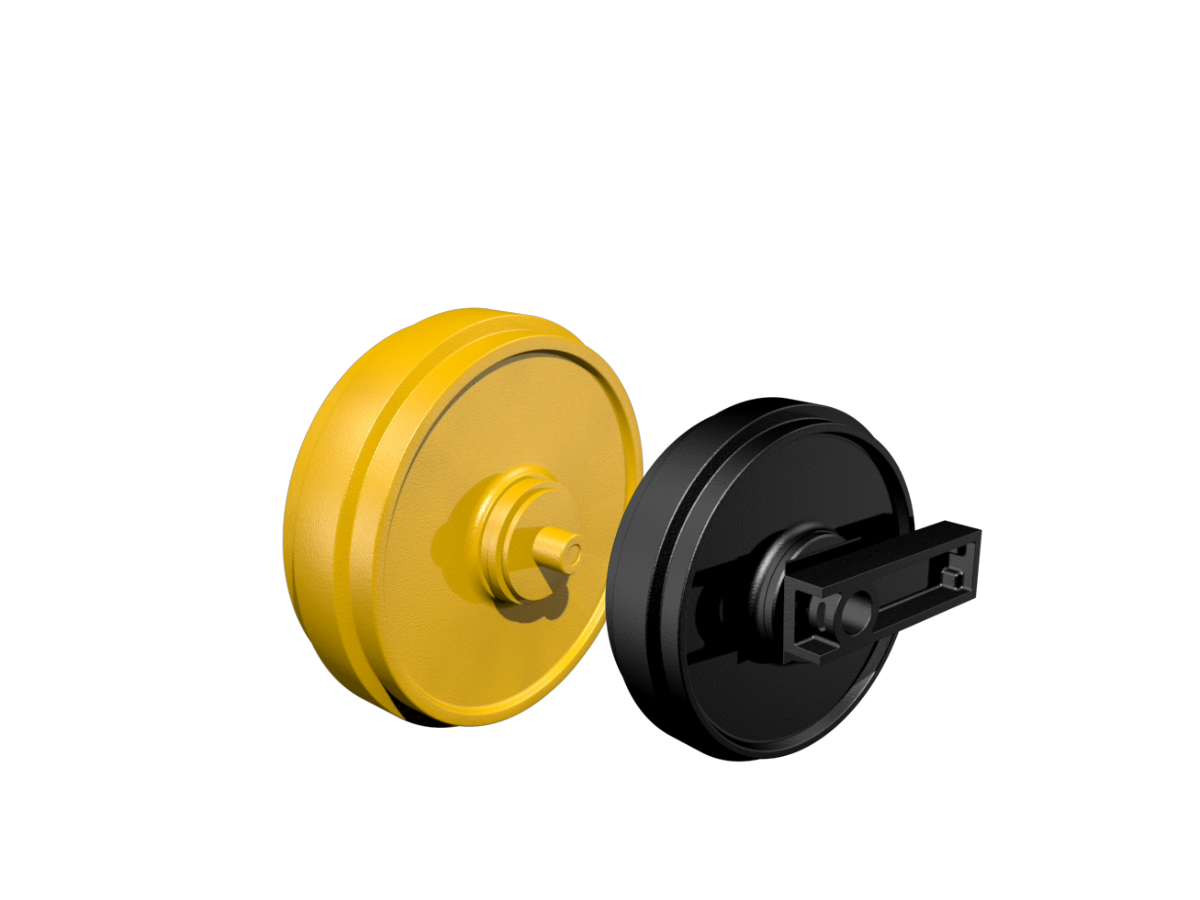
Idlers guide the track chain within the crawler undercarriage and work directly with the track adjuster or recoil spring assembly. This category includes idlers, front idlers, idler groups, idlers with brackets, idlers with slide blocks and related idler components for mini excavators, crawler excavators, dozers and other tracked machines.
Selection depends on the undercarriage system, reference number, machine model, serial number, design version, track type and technical dimensions. Especially for idler groups, it must be checked whether a single idler wheel, an idler with brackets or a complete assembly is required.
- Idlers and front idlers for rubber track and steel track undercarriages
- Idlers with brackets and idler groups for complete undercarriage assemblies
- Idler components such as idler bodies, slide blocks, springs and wear plates
📞 +49 (0)2241 26 56 700
Create your LIS customer account and get full access to our undercarriage filters.
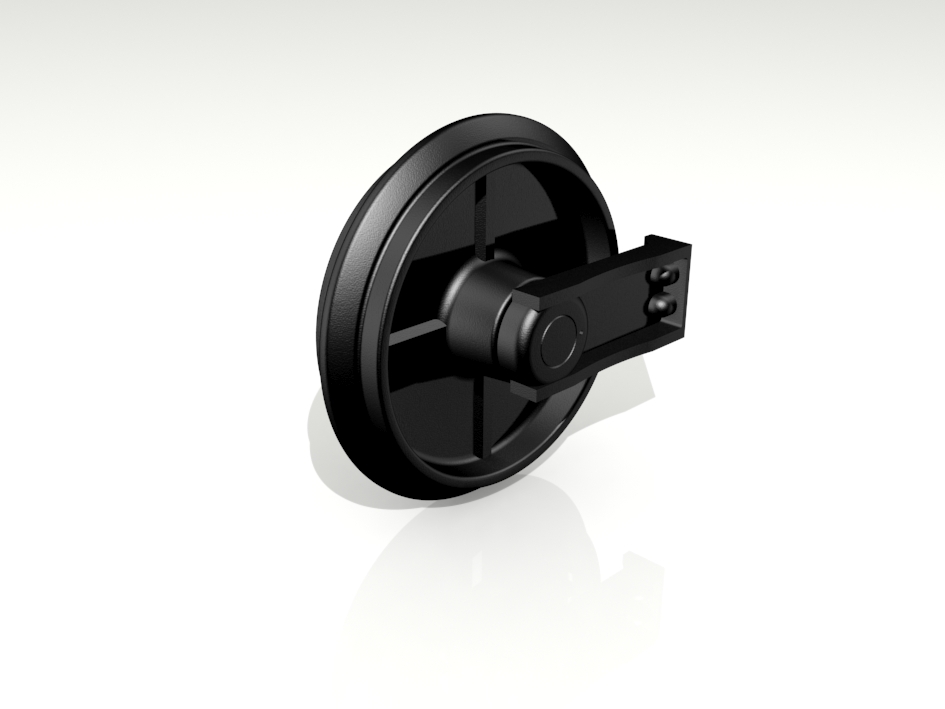
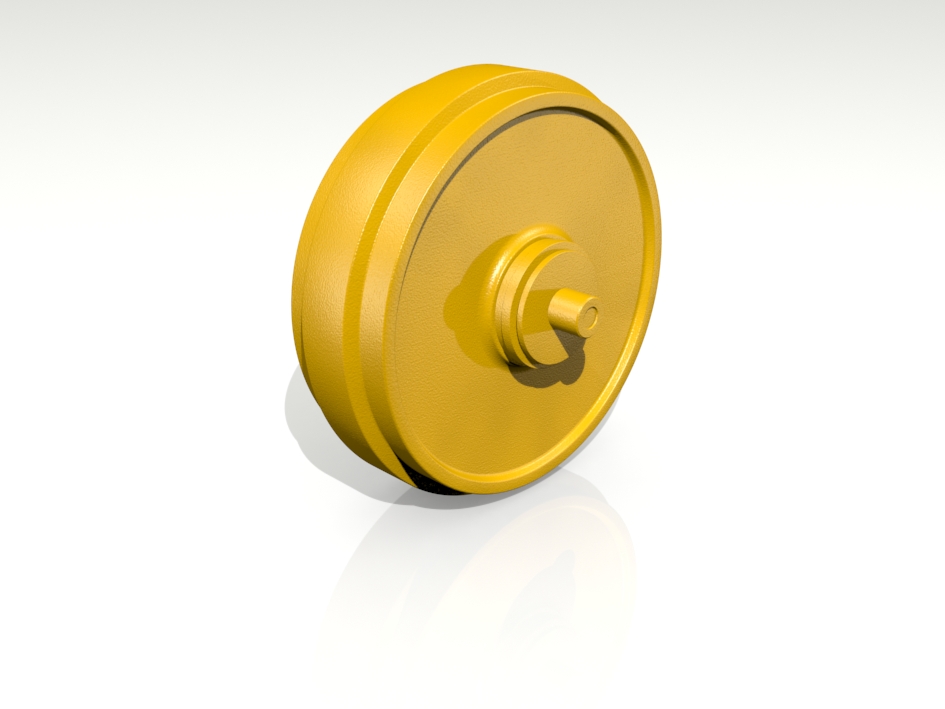
Idlers as guiding and tensioning components in the undercarriage
Idlers guide the track chain at the return point of the crawler undercarriage. They absorb guiding, impact and tensioning forces and influence smooth chain movement. The idler works directly with the track adjuster, which maintains correct track tension in the undercarriage.
An incorrectly matched or worn idler can cause irregular chain movement, increased wear on the track chain, damaged undercarriage components or track derailment. Selection should therefore always be based on reference number, design, machine model, serial number and the existing undercarriage version.
Idler, front idler or idler group?
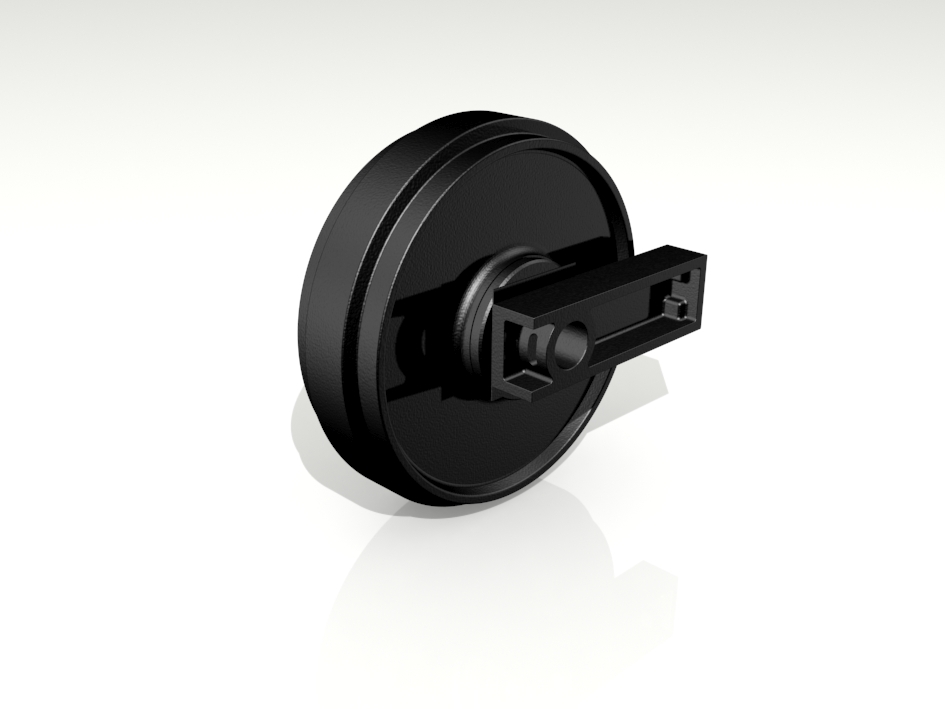
Different terms are used for similar assemblies in crawler undercarriages. An idler usually refers to the wheel body with bearing and running surface. The term front idler is commonly used for the front guiding wheel in the track system. An idler group describes a larger assembly that may include brackets, guides or additional mounting components.
This distinction is important for spare parts selection. If only the idler body is required, a complete idler group should not be ordered. If brackets, guides or slide blocks are damaged, replacing only the idler wheel is often not sufficient.
What does idler with brackets mean?
An idler with brackets is not just an accessory version. It is a pre-assembled or extended undercarriage assembly. The brackets and guide supports position the idler within the track frame and influence guidance, lateral play and force transfer inside the idler mounting area.
Idlers with brackets are used when the existing mounting area is damaged, worn or designed as a complete assembly. The part must match the frame geometry, track adjuster and track type.
Idlers for rubber tracks and steel tracks
Depending on the machine and undercarriage version, idlers may be designed for rubber tracks or steel tracks. Running surface width, contour, guidance, bearing design and compatibility with the track chain are decisive.
An idler used in a steel track undercarriage is not automatically suitable for a rubber track system. Track type, machine model, technical dimensions and reference number should therefore be checked together.
Idlers with slide blocks, traverse or track adjuster
Many undercarriage systems use slide blocks, guide plates or traverses to guide the idler correctly within the track frame. These components influence lateral guidance and play inside the idler mounting area. Worn slide blocks can prevent the idler from running correctly in the guide.
Some assemblies are designed as an idler with track adjuster or with a traverse. These versions must match the existing track adjuster, frame and track type exactly.
How is the correct idler identified?
Reliable identification is based on reference number, machine model, serial number, design version and technical dimensions. Different undercarriage versions may exist within the same machine series. Selection should therefore not rely on the model designation alone.
Important checkpoints include the version with or without brackets, bearing and guide geometry, running surface width, connection to the track adjuster, track type and reference numbers from the old part or spare parts documentation.
When should an idler be replaced?
Typical wear indicators include worn running surfaces, damaged guide areas, bearing play, leakage, irregular rotation or visible damage to brackets, slide blocks and mounting points. A worn idler can negatively affect track tension and increase wear on track chains, track rollers and carrier rollers.
During major undercarriage repairs, the idler should be assessed together with track chains, track rollers, carrier rollers, drive sprockets and track adjusters.
Idlers for mini excavators, crawler excavators and dozers
The range includes idlers and idler assemblies for compact mini excavators, medium crawler excavators, heavy crawler machines and dozers. Applications include undercarriage systems from Caterpillar, Komatsu, Hitachi, Volvo, Liebherr, Kubota, JCB, Case, Hyundai, Doosan, Takeuchi, Yanmar and further manufacturers.
Frequently asked questions about idlers
What is the difference between an idler and a drive sprocket?
The drive sprocket transfers drive force from the travel motor to the track chain. The idler guides the track chain and works with the track adjuster to maintain correct track tension.
When is an idler with brackets required?
An idler with brackets is required when not only the idler body but the complete guide or mounting assembly must be replaced. This is especially relevant for damaged holders, worn guide areas or pre-assembled idler groups.
Should idler and track adjuster be checked together?
Yes. The idler and track adjuster work directly together. A stiff, damaged or incorrectly adjusted track adjuster can negatively affect idler guidance and track chain movement.
Can an idler for steel tracks be used with rubber tracks?
This is only possible if design, running surface, guidance and technical dimensions match the specific track type. Identification should always be based on reference number, machine model and track type.
Relation to other undercarriage components
The idler is part of the complete undercarriage system. Service life is influenced by track tension, track condition, track rollers, carrier rollers, drive sprocket and operating conditions. During repair, the full undercarriage should be assessed rather than a single component only.
If the track chain is worn, the load on the idler changes. A faulty track adjuster can affect track movement. Track rollers and carrier rollers determine how stable the machine runs on the track chain. The drive sprocket engages with the chain and should also be checked when undercarriage wear is present.
For systematic undercarriage assessment, the categories track chains, complete track groups, drive sprockets, track rollers, carrier rollers and track adjusters are technically connected.
📞 +49 (0)2241 26 56 700