


Wet Air Filters for Construction Equipment
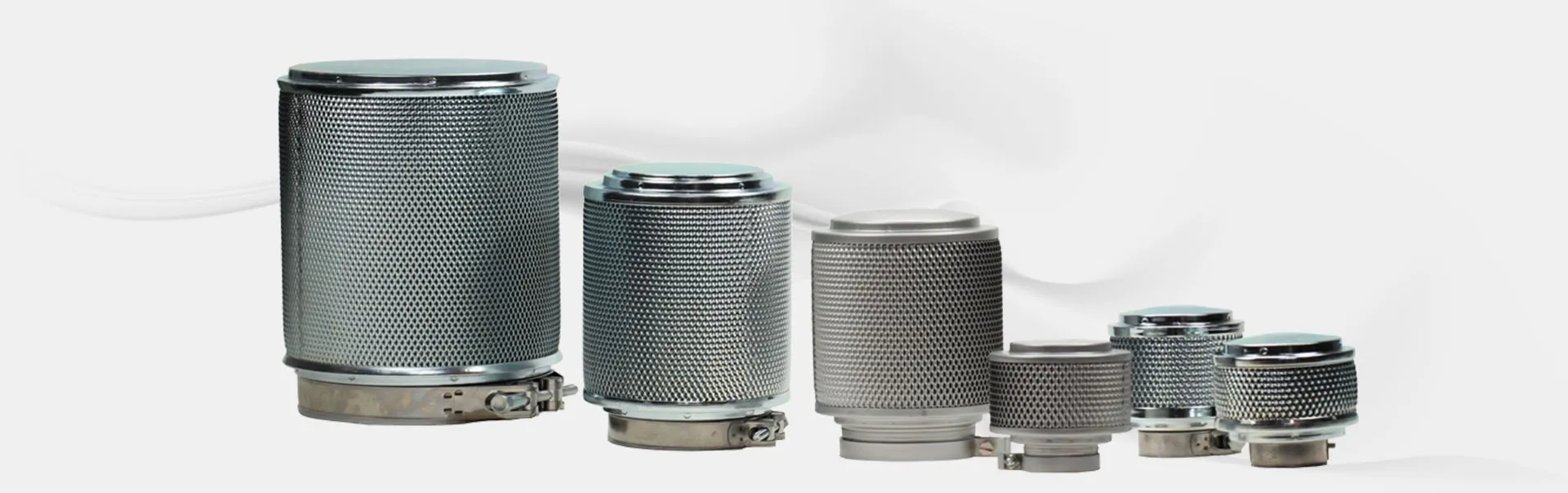
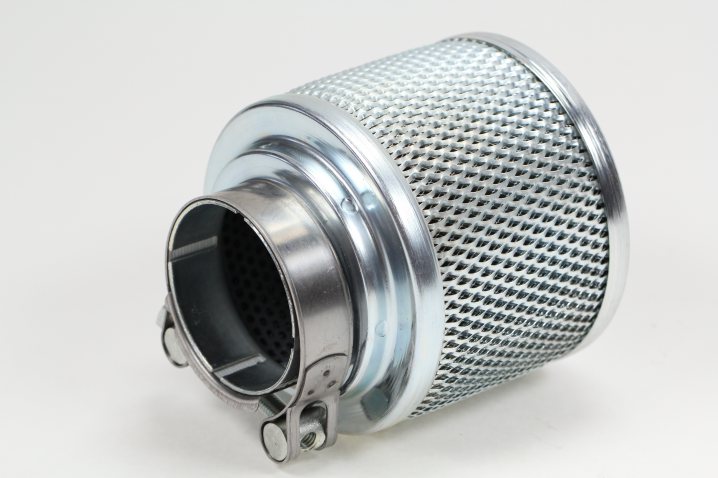
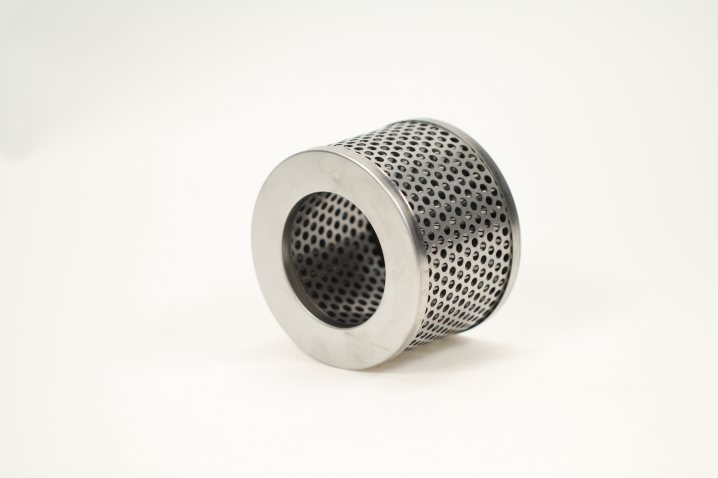
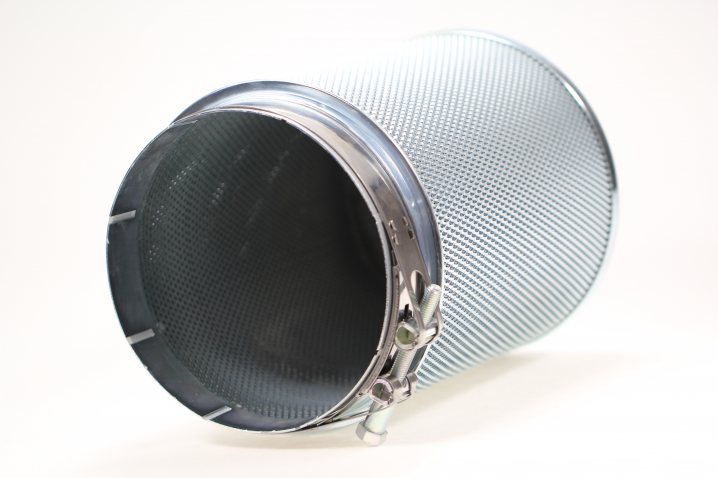
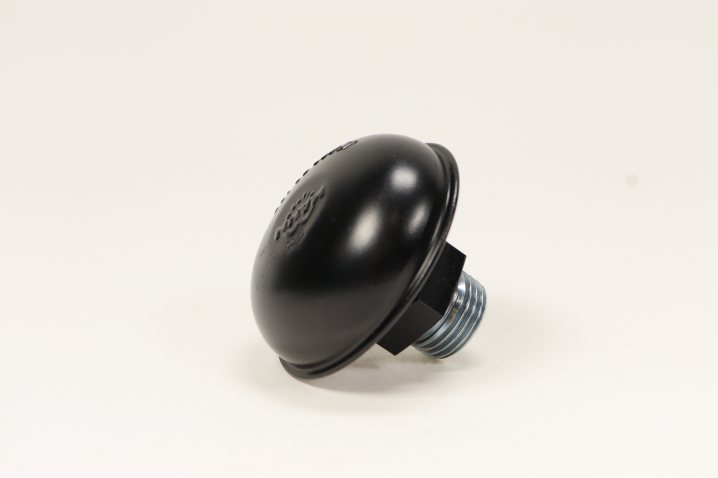
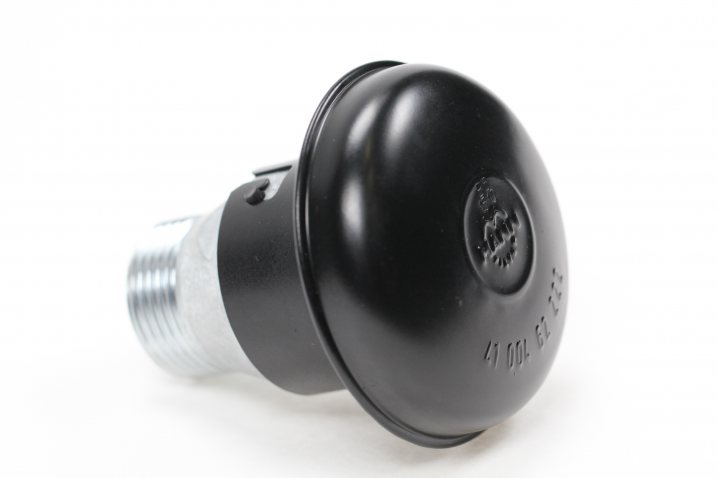
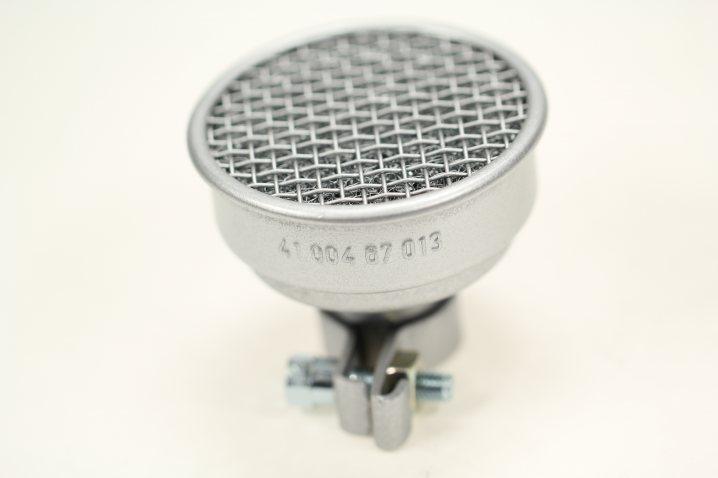
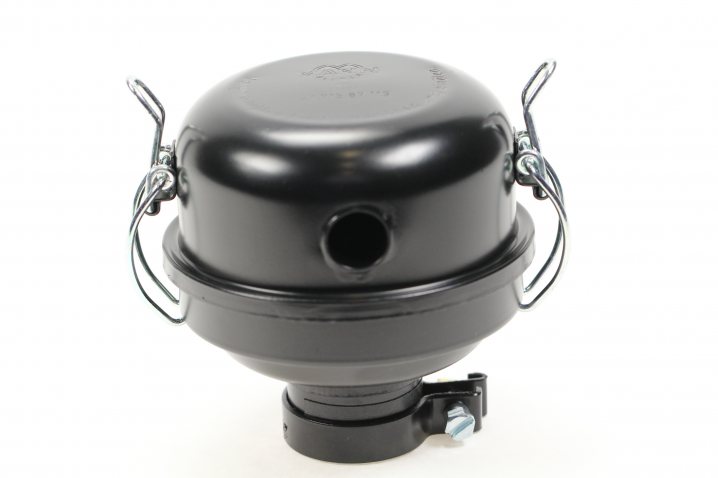
Wet air filters for construction equipment are air filtration systems for existing intake setups, where particles are removed from the intake air via oil-wetted separation surfaces or metal mesh structures.
They are primarily used in existing machines, simple intake systems and stationary aggregates, where robust and serviceable filtration is required or conversion to dry filtration is not implemented.
📞 +49 (0)2241 26 56 700
System Design and Connection Logic
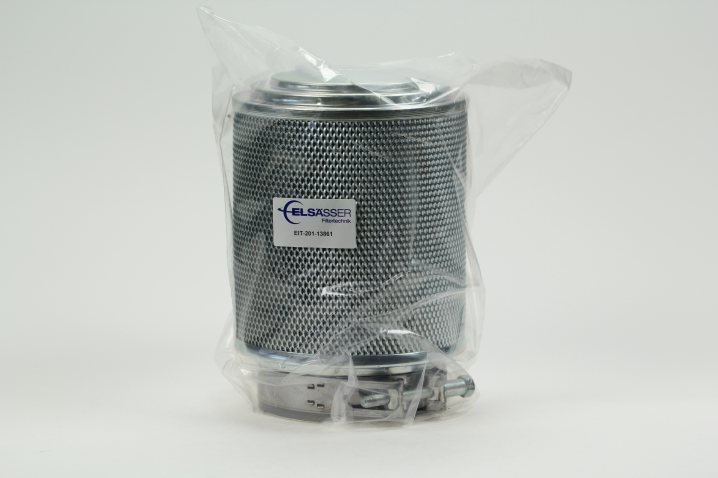
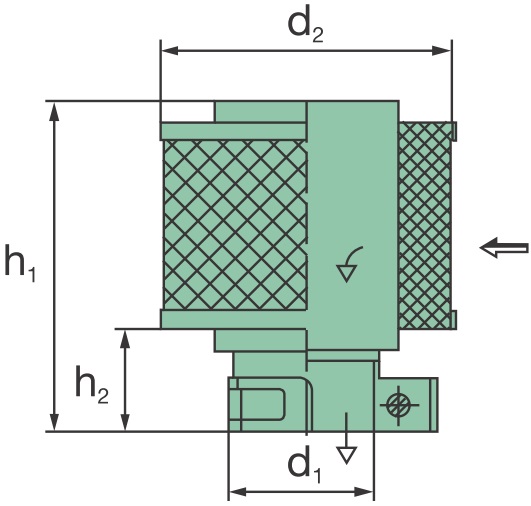
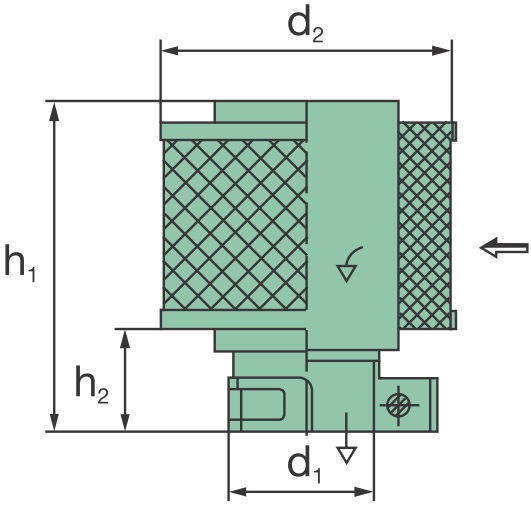
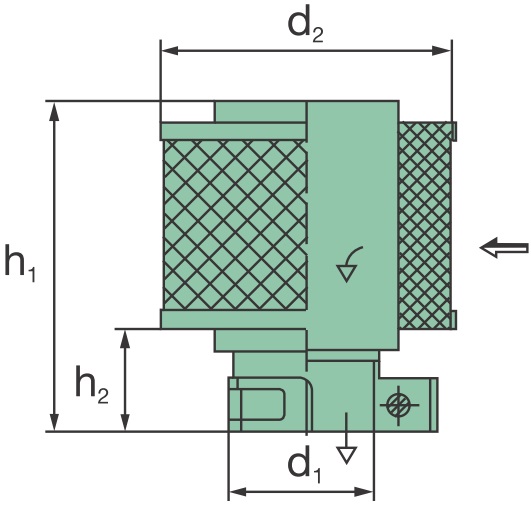
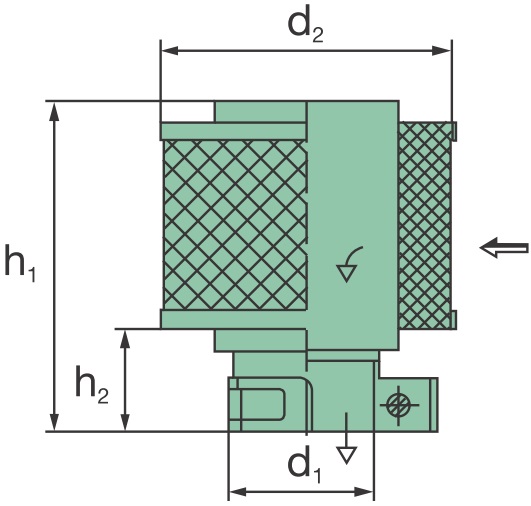
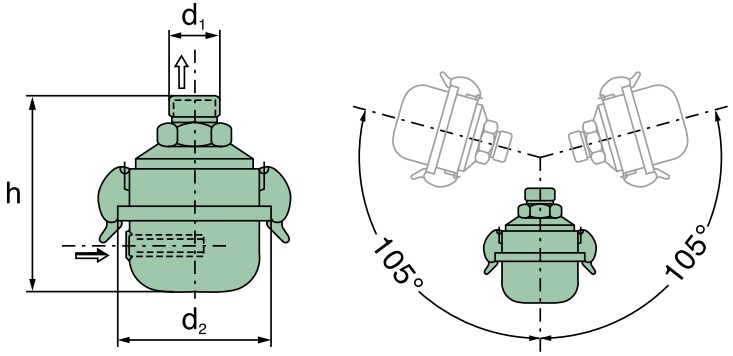
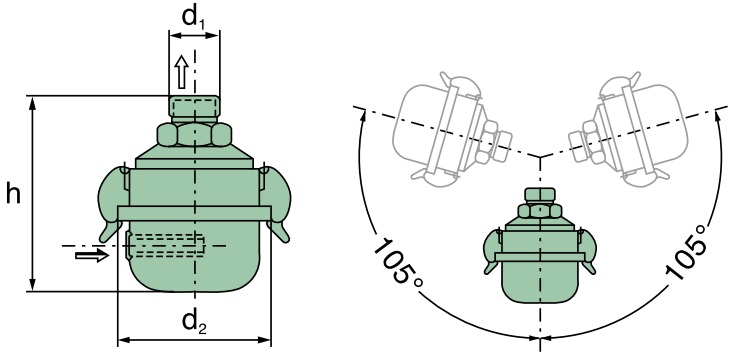
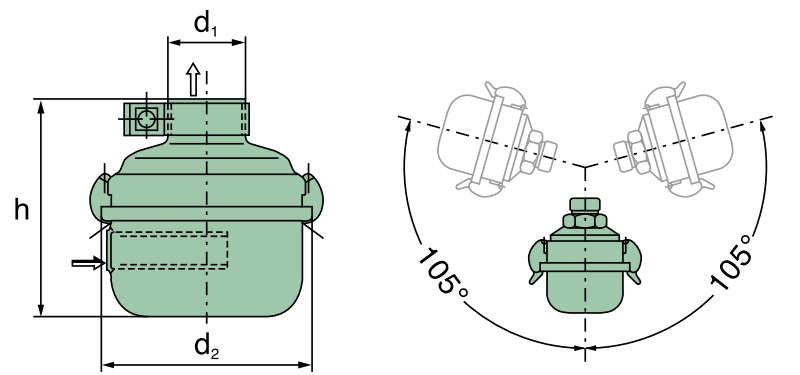
Wet air filters in this category cover a wide range of connection types and designs. In practice, both threaded connections and nominal widths (NW) are used.
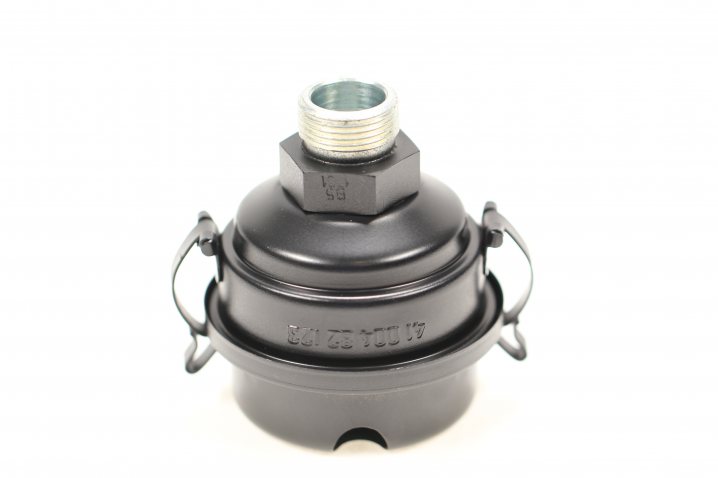
- Threaded connections: cylindrical (G), tapered (R) or metric (e.g. M22x1.5)
- Nominal widths: plug-in or flange connections from small sizes to industrial dimensions (e.g. NW20 to NW200)
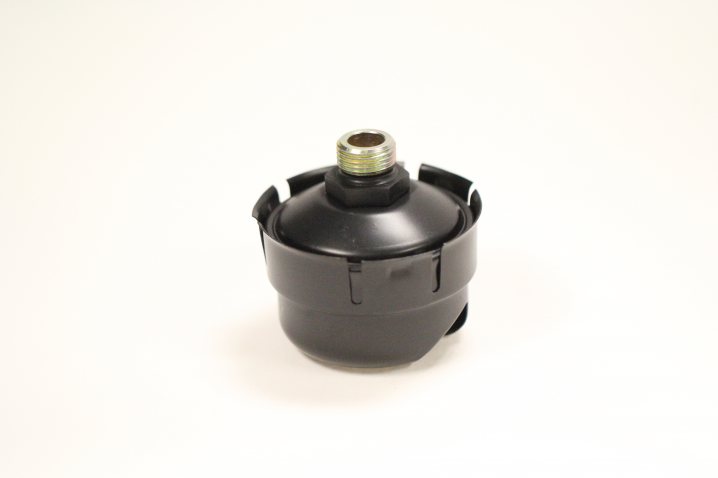
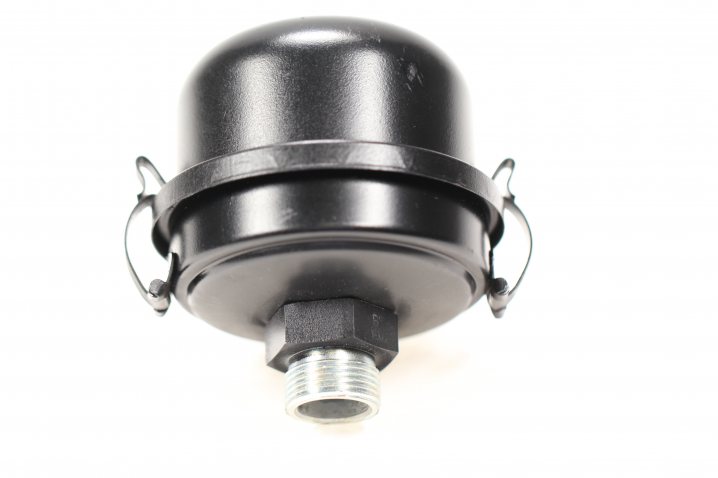
- Designs: compact screw-in filters, housing units or large-scale intake systems
Incorrect connection type or size leads to installation issues, leakage or altered airflow behavior within the intake system.
Operating Principle and Separation Mechanism
Filtration is based on inertial separation combined with oil-wetted surfaces or metal mesh structures. Particles are separated from the airflow and retained within the filter body.
Unlike air filter elements, wet air filters operate without replaceable cartridges and rely on mechanical separation within a reusable filter structure.
Silencer Filters and Intake Noise Reduction
Some wet air filters are designed as silencer filters or intake silencers. In addition to filtration, they reduce intake noise and are typically used in:
- vacuum pumps
- reciprocating compressors
- stationary aggregates
to reduce noise emissions at the air intake.
Materials and Operating Conditions
Depending on the design, wet air filters are manufactured from steel, aluminum or stainless steel (VA). Stainless steel versions are used in corrosive or high-moisture environments.
- existing construction equipment
- agricultural machinery
- stationary aggregates and industrial systems
- intake systems with high dust or moisture exposure
Maintenance and Operating Behavior
Wet air filters are serviceable systems where filtration performance depends directly on the condition of the filter medium. Contamination or insufficient oil wetting leads to:
- reduced separation efficiency
- altered intake resistance
- insufficient filtration performance
Many designs can be cleaned and reused, provided regular inspection and proper maintenance are carried out.
Difference to Dry Air Filtration
Compared to complete air filter systems with dry filtration, wet air filters rely on mechanical separation without a defined filter media structure.
Dry air filters provide reproducible filtration performance and represent the current standard, while wet air filters are mainly used in existing or simplified system configurations.
If an existing wet air system is replaced by dry filtration, the conversion must consider airflow rate, installation space and connection geometry using suitable complete air filters.
Selection Criteria
- connection type (thread or nominal width)
- design and dimensions
- application (machine, aggregate, compressor)
- reference or existing system
Incorrect selection leads to installation issues or insufficient intake performance.
Technical Support
📞 +49 (0)2241 26 56 700