


Bucket Teeth & Tooth Adapters Suitable for CAT® J600
For the CAT® J600 tooth system, the bucket tooth or tooth tip, tooth adapter and locking parts must be checked together. Reference number, tooth profile, adapter design, lip thickness, locking bore and the condition of the existing J600 interface are decisive for technical identification.
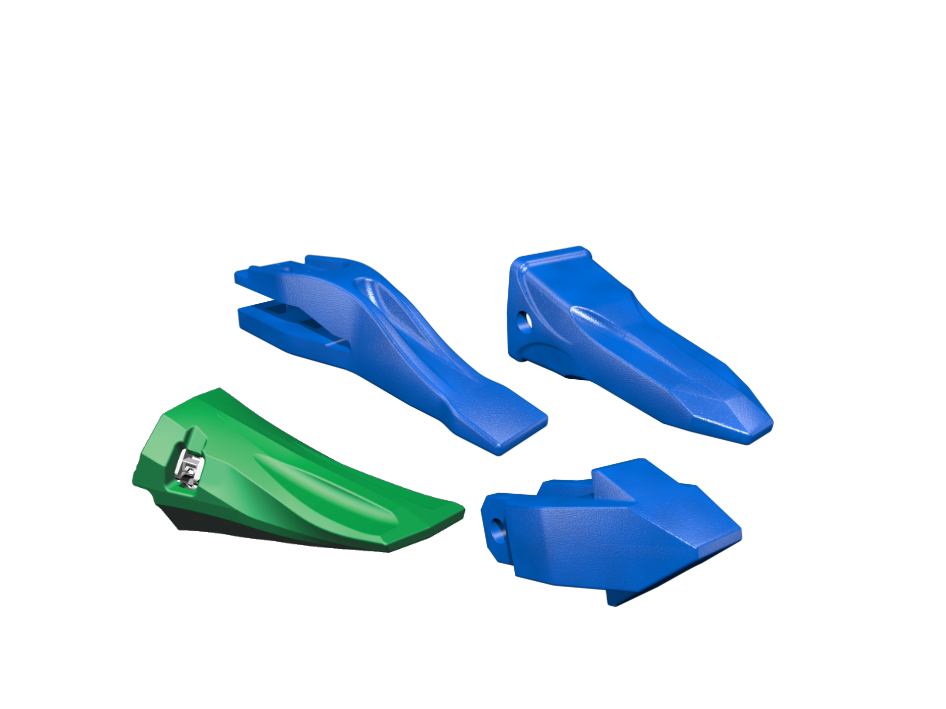
- Tooth tips: 6I-6602, 6I-6602RC and 107-8609
- Tooth adapters: 6I-6604 for 70 mm and 113-9604 for 80 mm lip thickness
- Locking parts: 6I-6608 and 6I-6609 within the LIS® J600 allocation
📞 +49 (0)2241 26 56 700
Note: LIS® replacement parts. Brand names such as CAT® are used exclusively to identify compatibility. These are not original manufacturer parts.
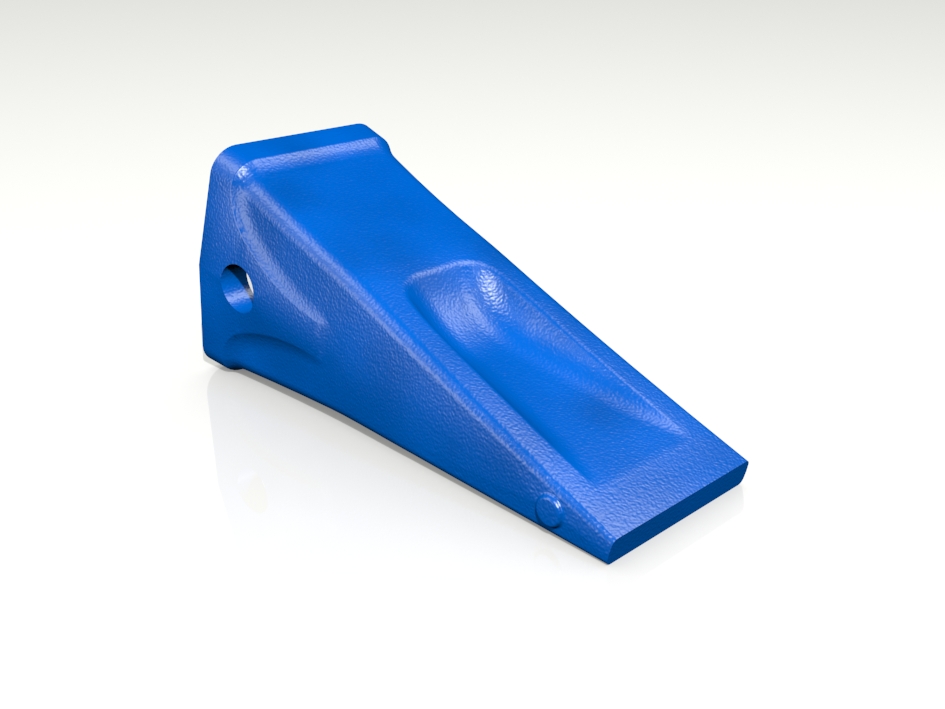
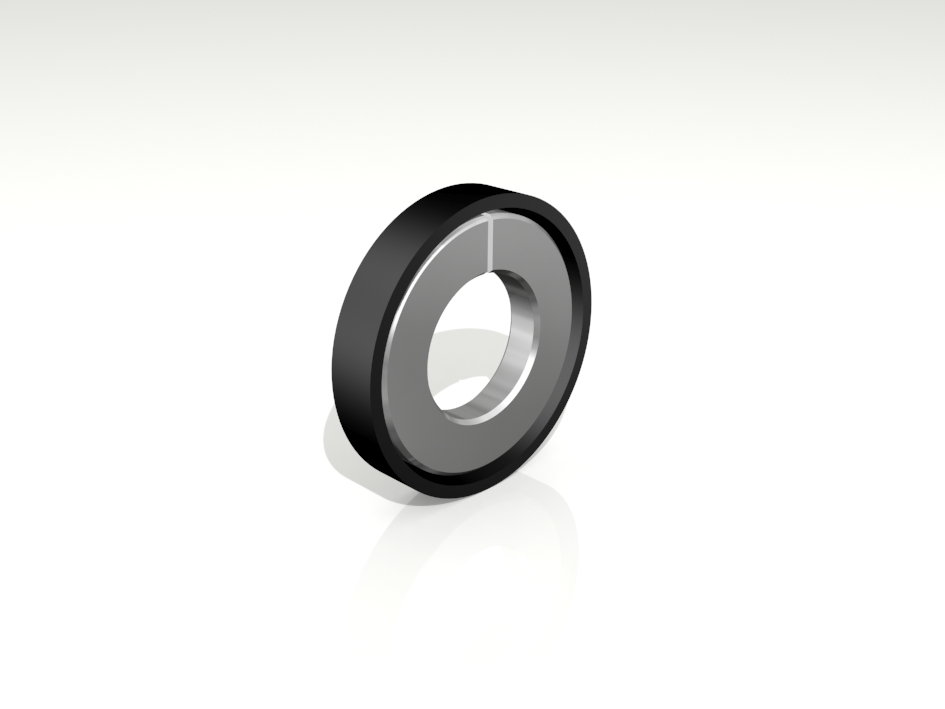
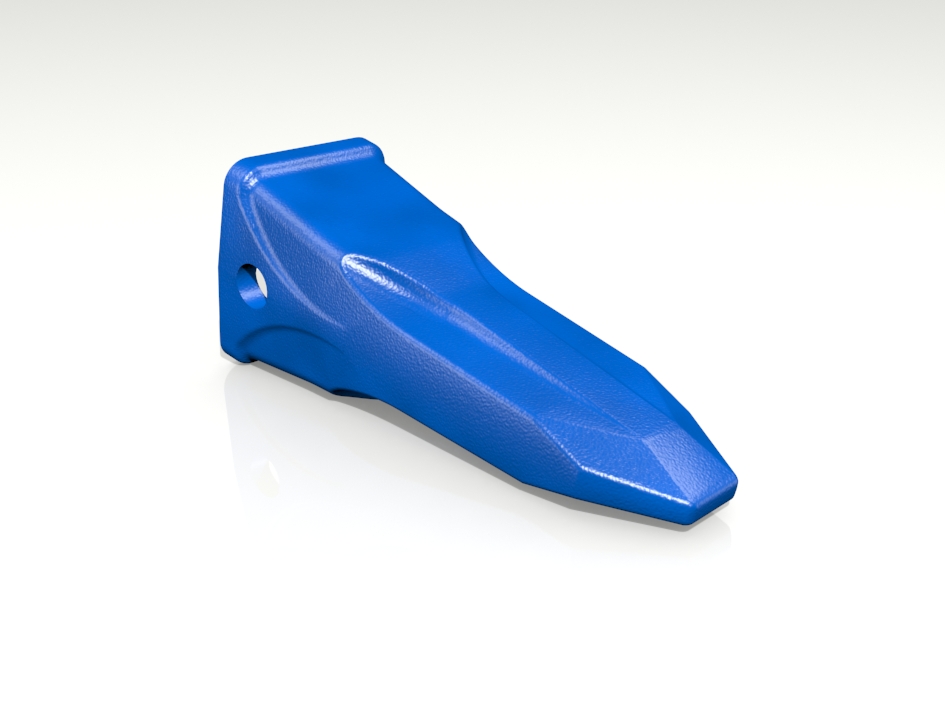
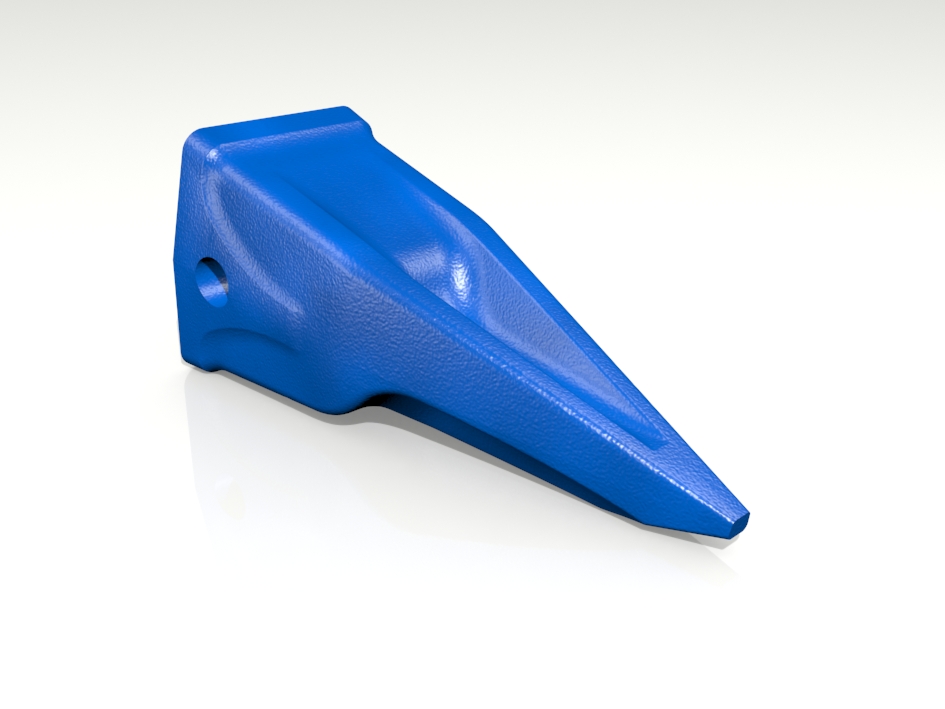
CAT® J600: system size, components and technical identification
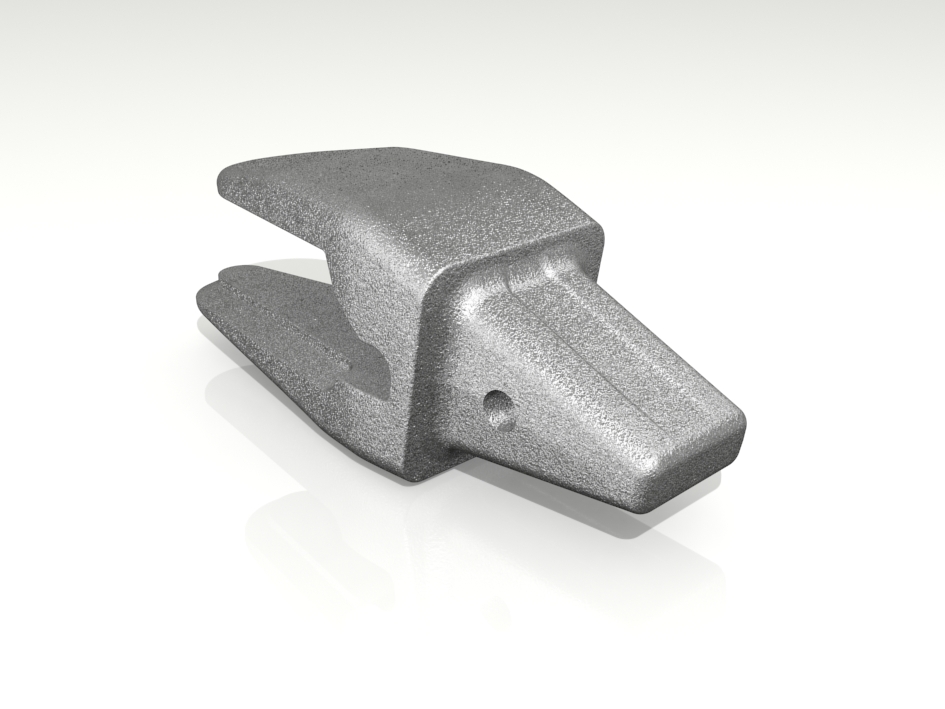
CAT® J600 is a separate size within the side-locking CAT® J-System. The tooth tip is fitted onto a matching J600 adapter interface and secured laterally by a locking pin and retainer. For technical identification, the reference number, tooth profile, adapter design, lip thickness, locking bore and condition of the existing interface must be checked together.
J600 tooth tips, J600 tooth adapters and locking parts must correspond to the same system size and existing interface. The CAT® J-System overview supports identification against other sizes. Other tooth systems are grouped under Teeth and Tooth Systems.
Selecting J600 tooth tips, tooth adapters and locking parts by reference number
For J600 identification, the component type, confirmed reference number and existing interface are decisive. Tooth tips must also be selected by profile. For tooth adapters, the lip thickness, base-edge geometry and bevel angle must correspond to the existing installation.
| Reference number | Component | Design | Technical identification |
|---|---|---|---|
| 6I-6602 | Tooth tip | Long / General Duty |
Long J600 tooth tip for general excavation and loading work |
| 6I-6602RC | Tooth tip | Rock / Rock Chisel |
Chisel-shaped rock profile for rocky and abrasive materials |
| 107-8609 | Tooth tip | Pointed / Penetration |
Pointed profile for compacted or difficult-to-penetrate materials |
| 6I-6604 | Tooth adapter | Center Two-Strap / Weld-on |
Center weld-on adapter for a 70 mm base-edge thickness and a 22.5° bevel angle |
| 113-9604 | Tooth adapter | Center Two-Strap / Weld-on |
Center weld-on adapter for an 80 mm base-edge thickness and a 22.5° bevel angle |
| 6I-6608 | Locking part | Locking pin | Locking pin within the current LIS® J600 allocation |
| 6I-6609 | Locking part | Retainer | Matching retainer within the current LIS® J600 allocation |
Selecting J600 tooth profiles by material and penetration behaviour
The long 6I-6602 design is intended for general excavation and loading work. The 6I-6602RC Rock Chisel profile has a chisel-shaped geometry for rocky and abrasive materials. The pointed 107-8609 penetration profile is relevant where a narrow penetration geometry is required.
The tooth profile should not be selected by external shape alone. The material, required penetration behaviour, existing adapter interface and confirmed reference assignment are decisive.
Identifying J600 tooth adapters by lip thickness and bevel angle
J600 tooth adapters form the connection between the bucket lip or base edge and the tooth tip. Reference 6I-6604 is specified for a base-edge thickness of 70 mm. Reference 113-9604 is assigned to the corresponding 80 mm version. Both are center two-strap weld-on adapters with a bevel angle of 22.5°.
The 70 and 80 mm dimensions refer to the specified bucket-lip or base-edge thickness. They do not describe an external dimension of the adapter nose. The existing cutting edge should therefore be measured at an area that is as undeformed and unworn as possible.
The bevel angle, base-edge geometry, intended weld position and condition of the existing interface must also be checked. Visual similarity or the J600 size designation alone is not sufficient for adapter identification.
J600 workshop check: adapter nose, seating surfaces and movement
If visible movement is present at the tooth tip, the tooth should not be checked in isolation. The adapter nose, seating surfaces and locking bore must be assessed together. A worn adapter can cause movement or incomplete seating even when a new tooth tip is installed.
Damaged seating surfaces, a deformed locking bore or pronounced wear on the adapter nose can impair the seating and retention of the tooth tip. In this case, the existing interface must be technically checked before further use.
Locking parts within the LIS® J600 allocation: 6I-6608 and 6I-6609
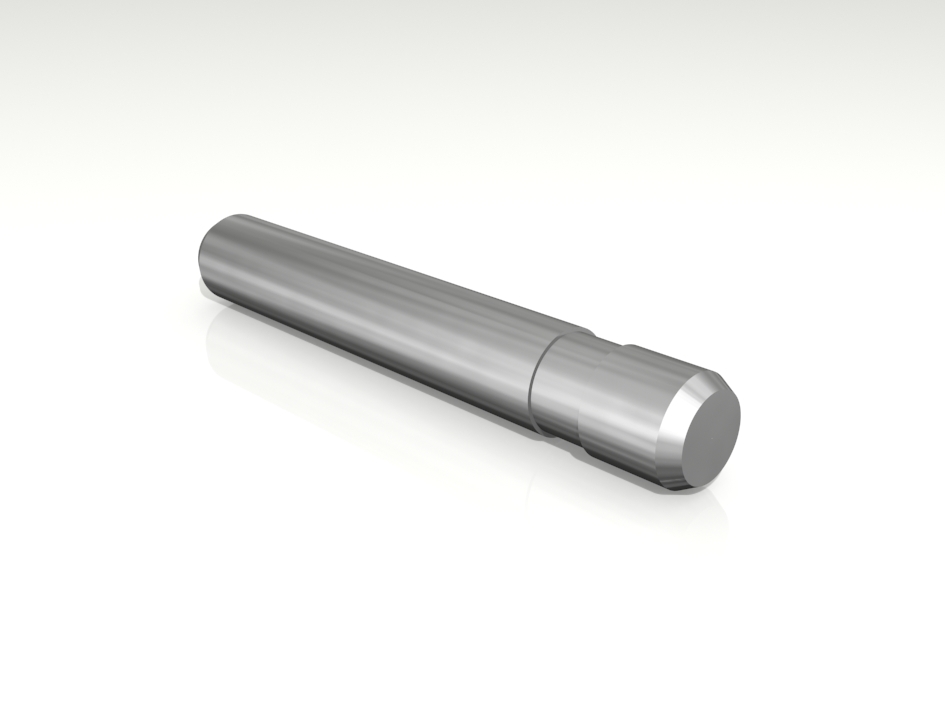
Within the current LIS® J600 allocation, 6I-6608 is relevant as the locking pin and 6I-6609 as the retainer. Both components must match the existing J600 interface, locking bore and installed tooth tip.
The locking pin and retainer must be checked together for wear, deformation and correct seating. A different locking reference must not be treated as interchangeable solely because it is designated J600. The interface, bore geometry and confirmed parts assignment remain decisive.
Distinguishing J600 from J550 and J700
Tooth tips, adapters and locking parts are size-specific within the CAT® J-System. J550, J600 and J700 components must not be combined without confirmed reference and interface compatibility.
If the existing interface is smaller or the reference corresponds to J550, check CAT® J550. If the interface is larger, the locking geometry differs or the reference corresponds to J700, compare it with CAT® J700.
Check before ordering
- Which reference number is visible on the existing tooth, adapter or locking part?
- Can the existing interface be clearly identified as CAT® J600?
- Is a long, Rock Chisel or pointed penetration profile required?
- For a center two-strap adapter, is the existing lip thickness 70 or 80 mm?
- Was the lip thickness measured at an area that is as undeformed and unworn as possible?
- Do the bevel angle, base-edge geometry and weld position correspond to the adapter design?
- Have the adapter nose, seating surfaces and locking bore been checked for wear or damage?
- Do locking pin 6I-6608 and retainer 6I-6609 match the existing interface?
LIS® cutting tools are covered by the lifetime breakage warranty in accordance with the LIS® warranty terms. Normal wear caused by operating conditions is excluded. The applicable warranty terms shall govern.
📞 +49 (0)2241 26 56 700
Note: LIS® replacement parts. Brand names such as CAT® are used exclusively to identify compatibility. These are not original manufacturer parts.