



Dust collection filters and filter cartridges for extraction systems
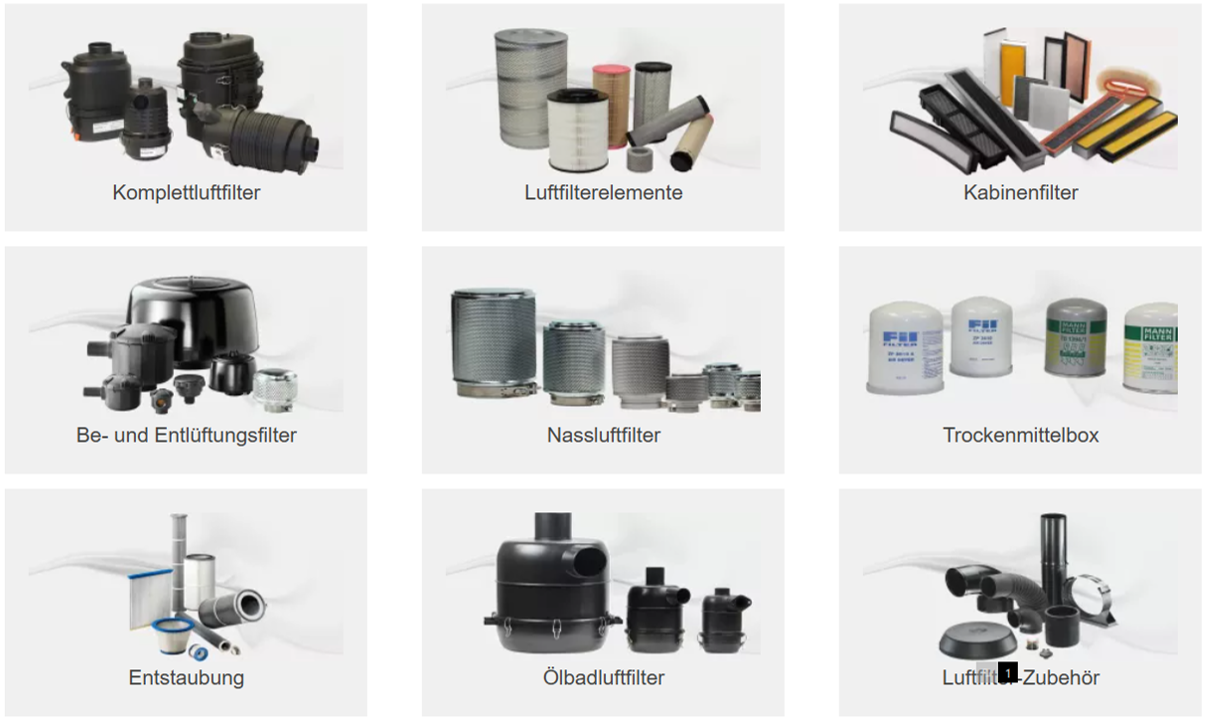
Dust collection filters and filter cartridges ensure reliable separation of fine dust and process dust in extraction and dust collection systems. Selection is based on reference number, design, dimensions and mounting of the existing filter system.
Incorrect selection leads to increased differential pressure, insufficient cleaning, unstable extraction performance or unplanned system downtime.
📞 +49 (0)2241 26 56 700
Filter types in dust collection systems
Depending on system design, dust characteristics and air volume, different filter types are used in dust collection applications.
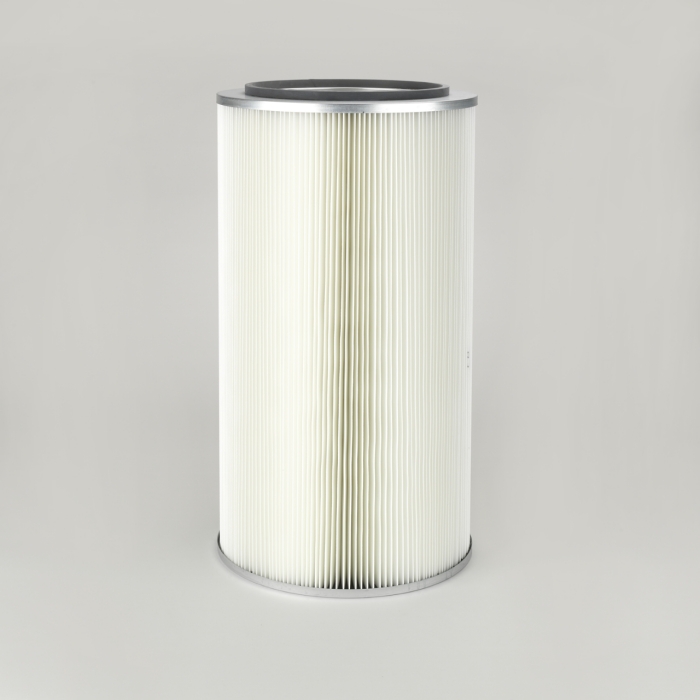
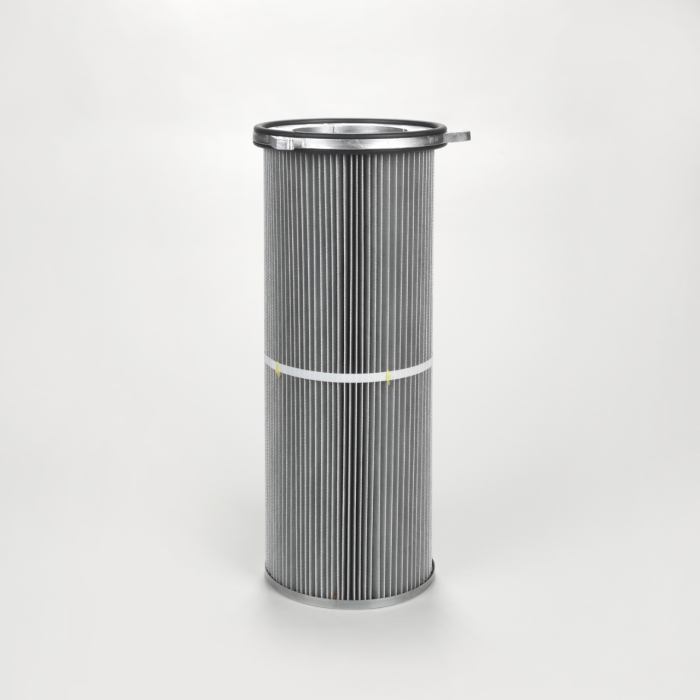
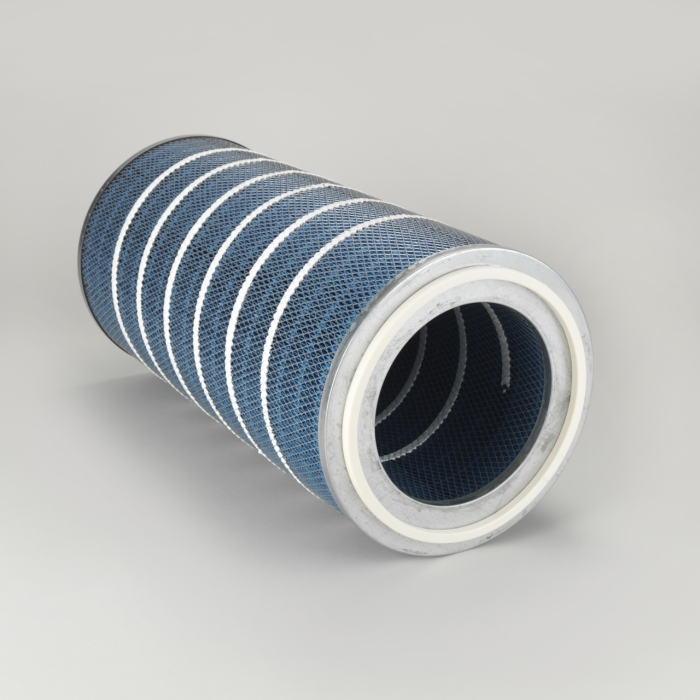
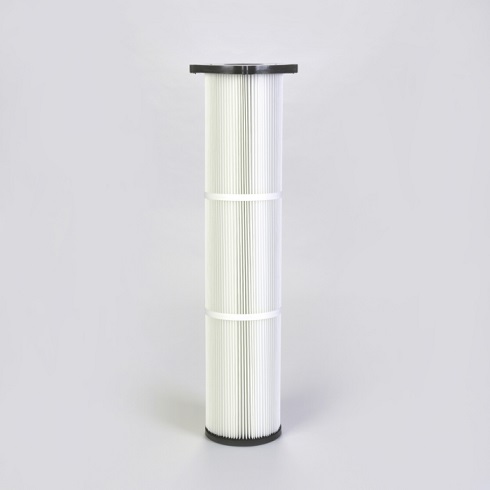
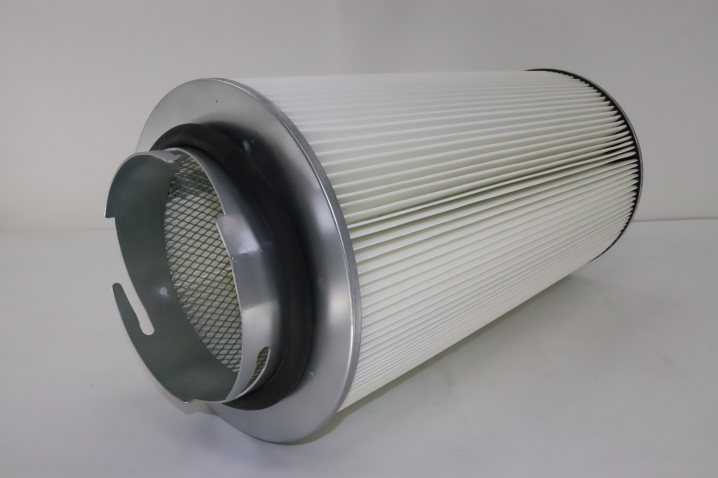
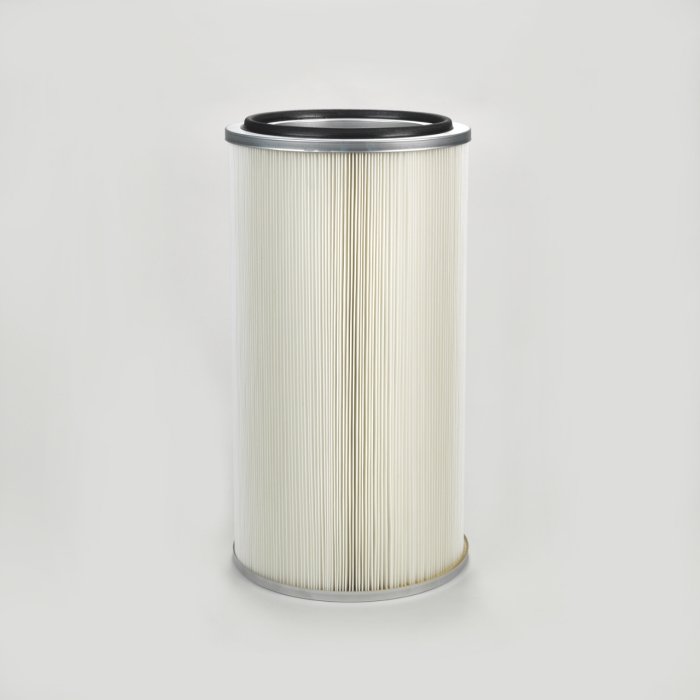
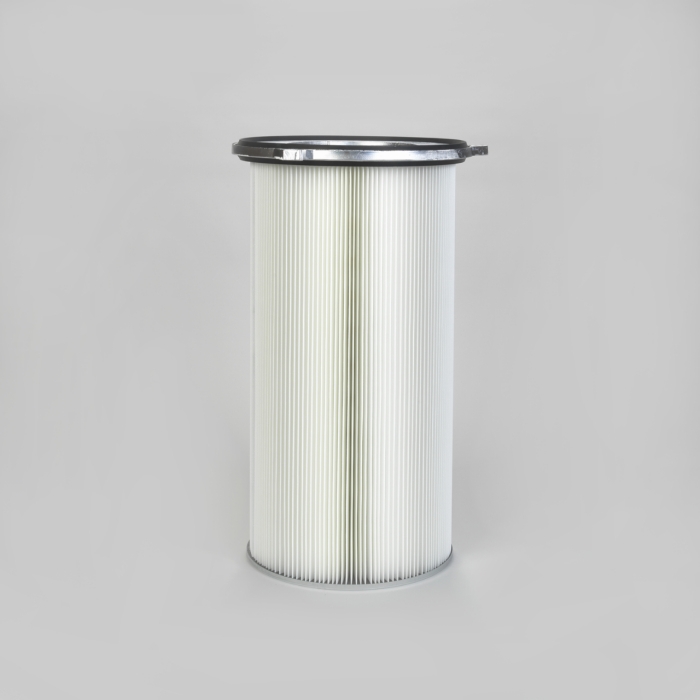
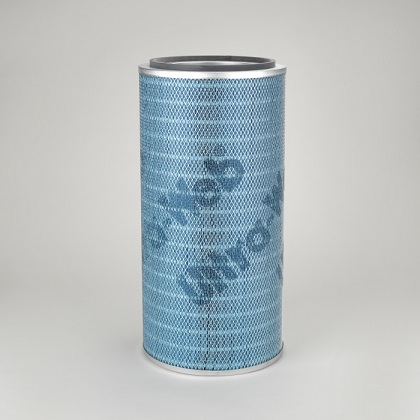
- Filter cartridges: pleated elements with high filtration area in compact design
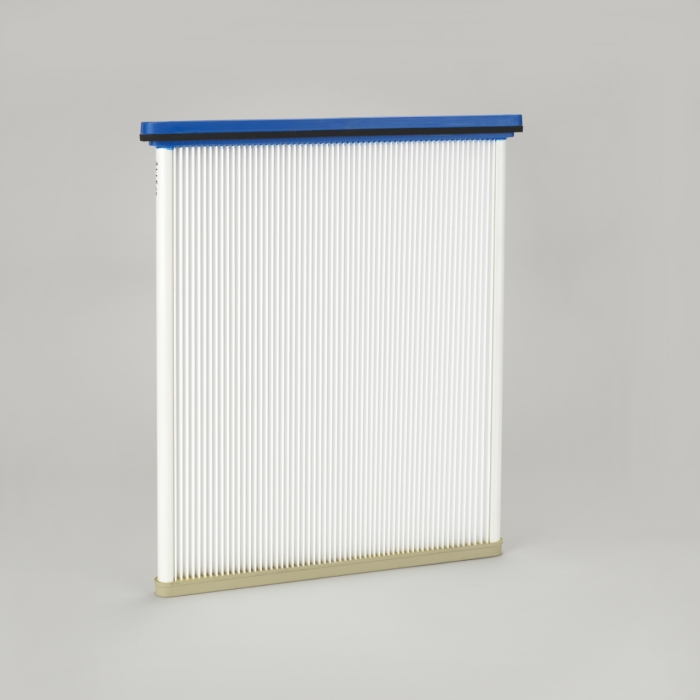
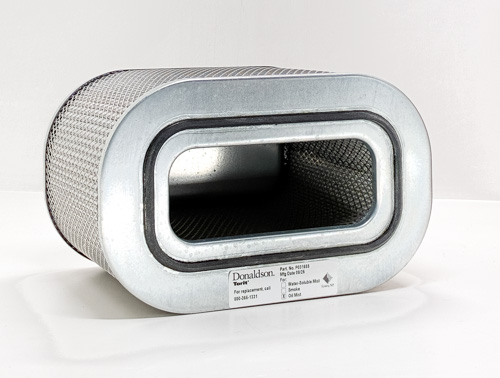
- Filter plates and cassettes: rectangular designs for stationary extraction systems
- Pre-filters: upstream stages to protect and extend main filter life
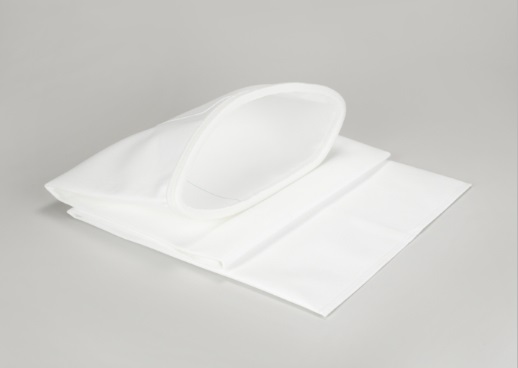
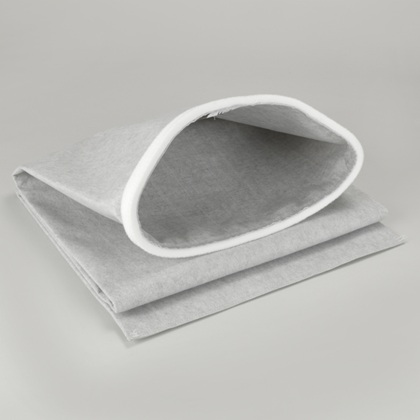
- Filter bags and sleeves: for high dust loads in bulk handling and silo systems
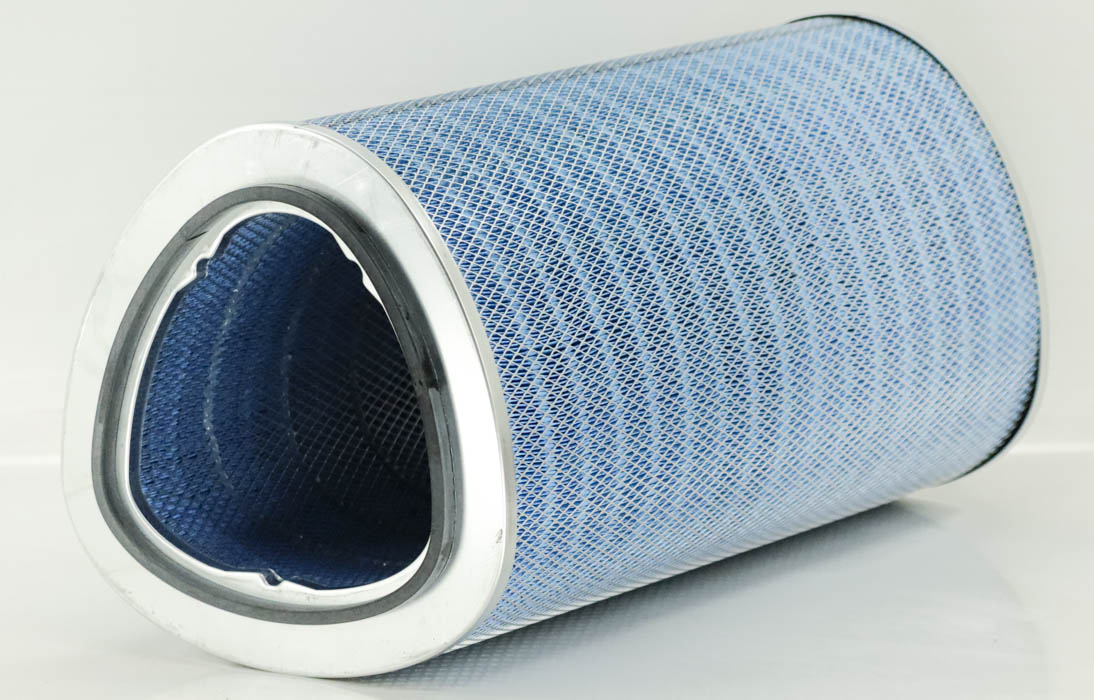
Common designs include cylindrical, oval, conical and rectangular formats. Retrofit applications often use extended pleated cartridges as replacements for traditional bag filters.
Applications in construction equipment and industrial systems
Dust collection filters are used in construction equipment, mobile extraction units and industrial dust collection systems. Typical applications include road sweepers, welding fume extraction, metal processing, laser cutting systems, recycling plants, bulk material handling and building material industries.
This category includes replacement elements for systems such as Donaldson Torit, Trumpf and comparable dust collection units.
Filtration principle, dust cake and differential pressure
Filtration is performed using pleated media, needle felt or comparable filtration structures that retain particles from the air stream. With increasing dust load, a dust cake forms, improving fine filtration efficiency.
Differential pressure is the key operational parameter:
- increasing differential pressure: clogged filter surface or insufficient cleaning
- unstable extraction performance: incorrect filter media or unsuitable design
- short service life: insufficient filter area or incorrect sizing
Many systems use pulse-jet cleaning. Its performance directly affects filter life, pressure behavior and system efficiency. Components such as diaphragm valves and venturi nozzles are part of the cleaning system.
Filter media and configurations
Filter media selection depends on dust type, process conditions and system design.
- Polyester and cellulose blend media: standard applications
- PTFE-coated media: for fine or sticky dust
- antistatic media: for electrostatic environments
- oil- and water-repellent media: for humid or contaminated air
- flame-retardant media: depending on system requirements
The filter media directly influences filtration efficiency, dust release behavior, differential pressure and service life.
Mounting systems and installation logic
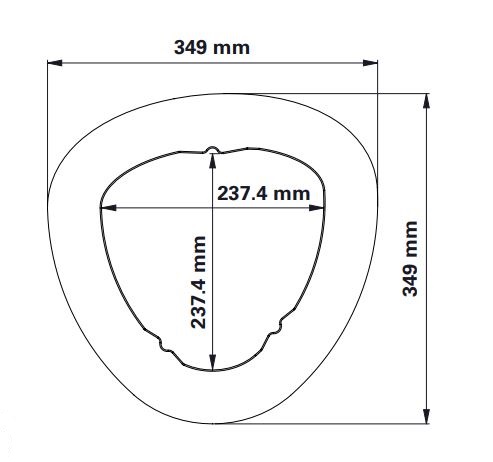
In addition to dimensions and filter area, mounting and sealing design are critical for correct selection. Common systems include tie-rod mounting, plug-in cartridges, hook flange systems, bead and snap-ring designs or system-specific interfaces.
Differences in top plate, flange, sealing or mounting result in misfits despite similar appearance. Visual comparison alone is not sufficient.
Pre-filters and service life optimization
Pre-filters and intermediate filters protect the main filter stage by reducing dust load and extending service intervals. Proper coordination between pre-filter, main filter and cleaning system is essential for stable operation.
This is particularly critical in systems with high dust loads or fluctuating operating conditions.
Selection and replacement criteria
Accurate identification requires:
- Reference number of the existing filter element
- Design: cartridge, plate, cassette, bag or sleeve
- Dimensions and filtration area
- Filter media suitable for the application
- Mounting system and sealing concept
- System application and cleaning method
Misidentification often occurs with visually similar elements that differ in length, filter area, mounting or media. Selection must always be system-based.
System classification within filtration technology
Dust collection filters are part of the filters for construction equipment and are functionally related to air filtration systems and upstream filtration stages.
Unlike engine air filters, dust collection filters operate in process-related air streams within extraction and filtration systems.
Pre-check before ordering
Check before purchase
- Reference number
- Design and dimensions
- Filter media
- Mounting system
- Application
- Cleaning method
Technical support
Selection is based on system configuration, dust load and operational requirements.
📞 +49 (0)2241 26 56 700