


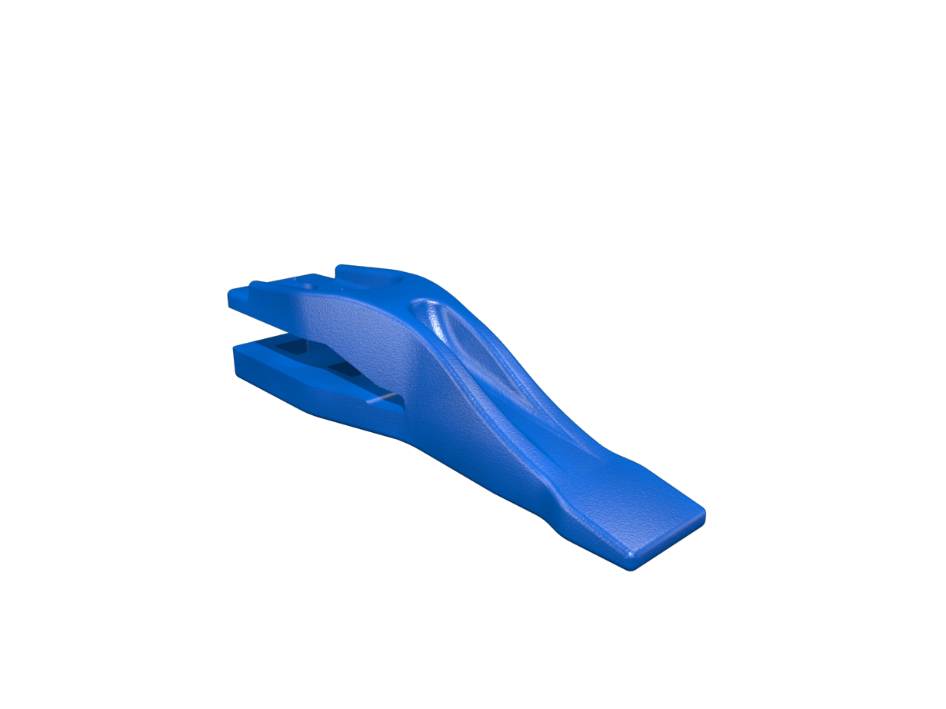
LIS® Fork Teeth (Twin-Strap) for Mini Excavators
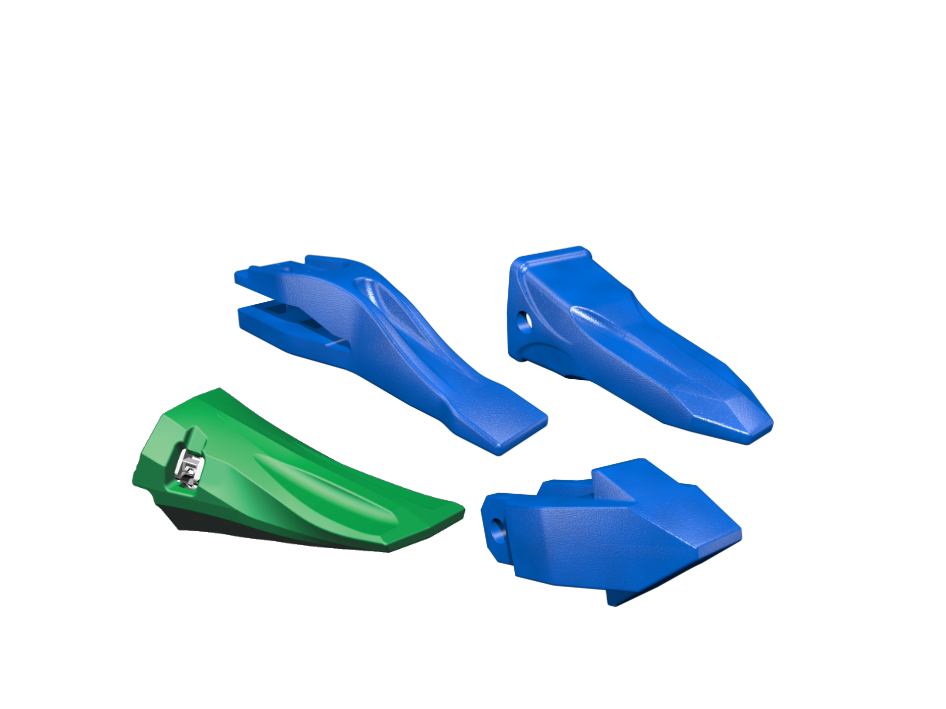
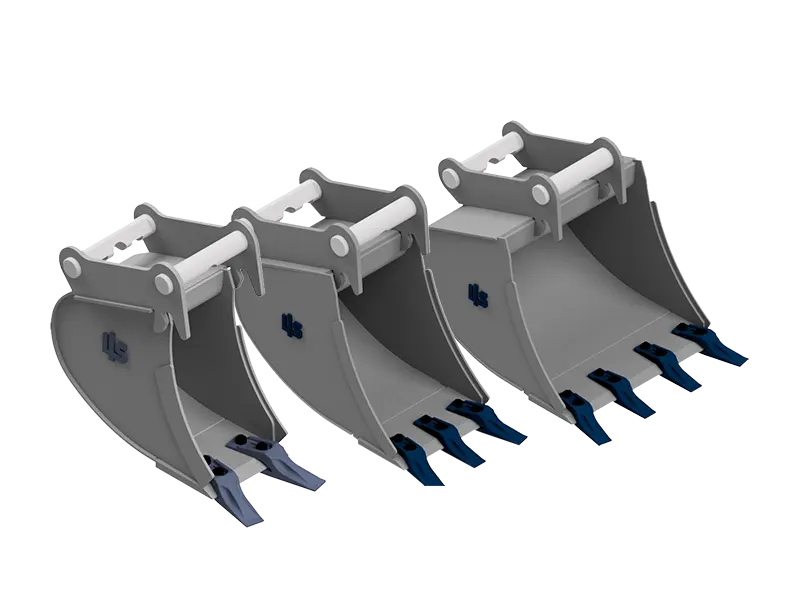
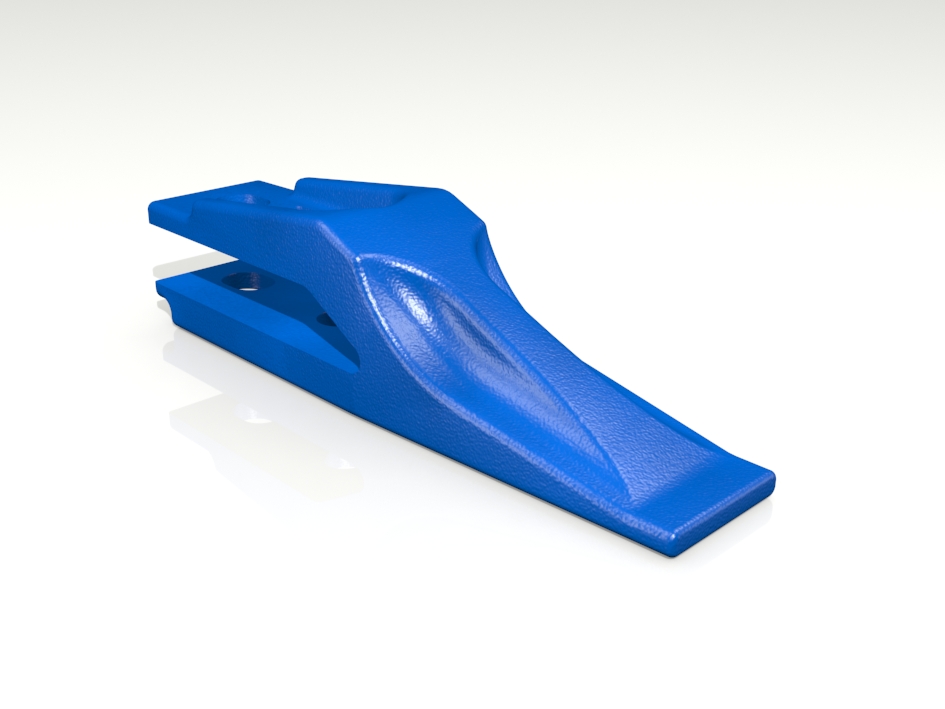
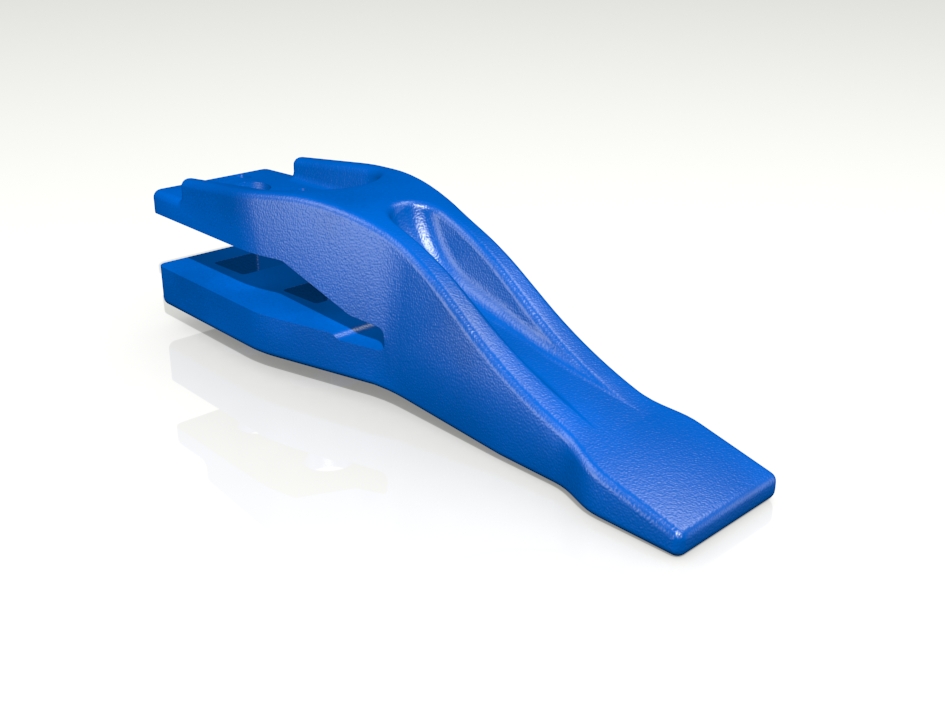
LIS® fork teeth are pointed bolt-on wear teeth designed for direct mounting on the bucket cutting edge.
The fork-style base encloses the cutting edge lip for a form-fit and is secured with bolts.
Warranty: Lifetime breakage warranty* on all LIS® teeth.
📞 +49 (0)2241 26 56 700
→ To the overview of all: Tooth and Teeth systems
Technical Design: Direct-Mount Fork Teeth
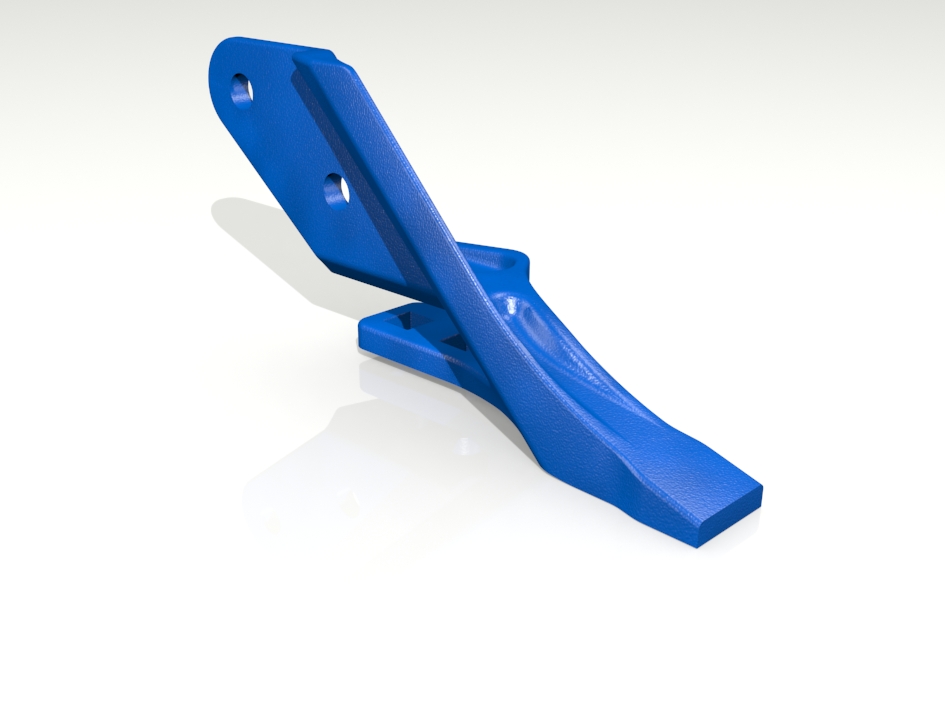
Fork teeth are direct-mount solutions without adapter systems and without retaining pins. The tooth geometry is pointed and intended for excavation work where a focused cutting shape is required.
Common designs in this category:
-
Standard fork teeth for center positions
-
Corner teeth for outer positions (mirrored left/right)
For all products, technical drawings are available within the product description (relevant for identification and correct mounting).
Selection Criteria: Dimensions First
Selection is dimension-based rather than machine-model-based. The three key dimensions are:
1) Lip opening (C dimension)
The fork opening must match the cutting edge lip. A common guideline is: recommended lip thickness ≈ C dimension minus approx. 2 mm, depending on tolerances and lip condition.
2) Hole spacing (E dimension)
Measure center-to-center (or within the slotted hole specification).
3) Bore diameter (D dimension)
Must match the bolt diameter used.
Fit & Mounting Notes
-
If the lip opening does not fit: proper seating on the lip is not possible.
-
If hole spacing deviates: installation stress may occur; check seating and bolt fit.
-
If the cutting edge lip is heavily worn/deformed: inspect and consider replacing the edge before mounting new teeth.
Slotted-hole versions (e.g. 40–45 mm / 40–50 mm) can compensate minor deviations but do not replace worn hole patterns or damaged cutting edges.
Corner Teeth: Left/Right Identification
Corner teeth are used at the outer bucket positions and are supplied as mirrored left/right versions. Outer positions typically see higher lateral loads; correct orientation supports consistent wear patterns and stable bolted fastening.
Typical Variants within the LIS® Range
This category includes common configurations such as:
-
Fixed hole spacing (e.g. 45.0 mm / 45.5 mm / 55.0 mm / 73.0 mm)
-
Slotted-hole versions (e.g. 40–45 mm / 40–50 mm)
-
Depending on the item, differences may include lip opening (C), bore diameter (D), base width and tooth length
Application note: The SF100 fork tooth is also used on LIS® mini excavator buckets (dimension matching at the cutting edge remains the decisive factor).
Direct-Mount vs. Adapter Tooth Systems
Fork teeth are bolted directly to the cutting edge.
For adapter-based systems with separate locking elements, see:
For wide, flat grading teeth, see:
📞 +49 (0)2241 26 56 700
Note: These are LIS® replacement parts. Brand names are used solely for compatibility identification. They are not original parts of the respective manufacturers.