


Bolts and Nuts for Excavator and Crawler Undercarriages
Bolts and nuts for excavator and crawler undercarriages are selected by the actual undercarriage connection: track shoe to track chain, segment to sprocket or end link connection in the chain. Key points are reference number, thread, length, head type, nut type, component position and the existing design on the undercarriage.
- for track shoe fastening, segment connections and end link bolts
- metric and imperial versions depending on the specific article
- identification by reference number, thread, length, nut type and component position
📞 +49 (0)2241 26 56 700
Create your LIS customer account and get full access to our undercarriage filters.
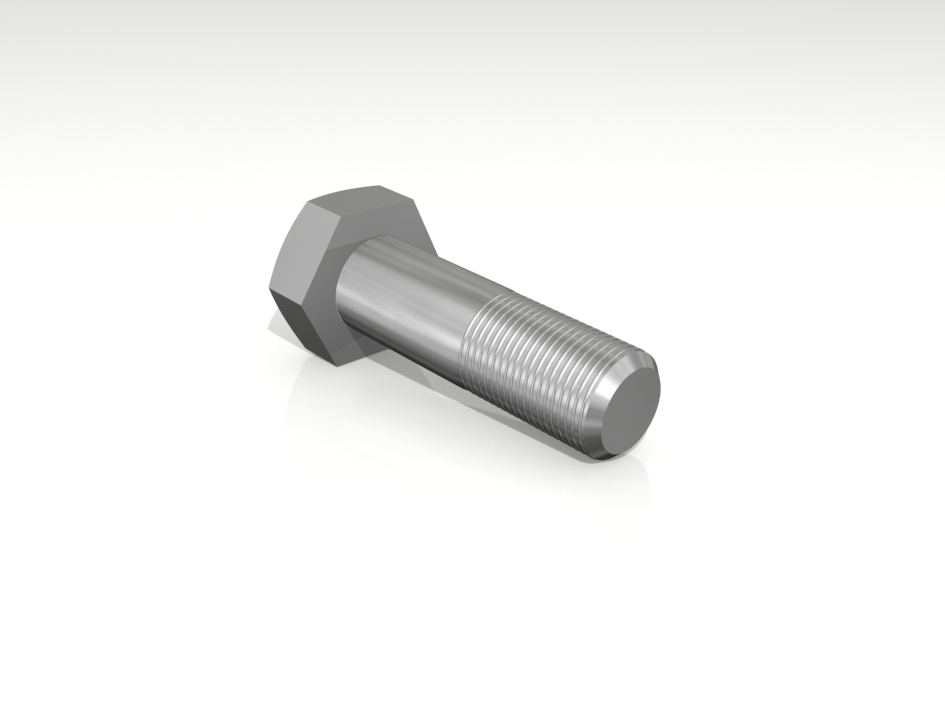
Selection by connection, not by article name
Many undercarriage bolts and nuts are listed in product data with short designations such as bolt, nut, track shoe bolt, track nut, segment bolt or end link bolt. For ordering, the designation alone is not sufficient. The decisive point is which undercarriage connection is being fastened and which technical version is installed on the machine.
The relevant checks include reference number, machine model, undercarriage component, thread size, thread pitch, length, head type, nut type, contact surface and existing component dimensions. Strength class, DIN specification or surface finish are selection criteria only when they are stated for the specific article.
Track shoe fastening: check bolt, nut and hole pattern
For track shoes, bolt, nut, track shoe and track chain must match as a connection. Relevant points are thread size, thread pitch, bolt length, head type, nut type, hole pattern and the contact surfaces on the track shoe and chain link.
Short product designations such as BPL or BDPL may appear in article data for track shoe fastening parts. They do not replace verification against reference number, existing track shoe, track chain and hole pattern. With imperial versions, thread and nut must be checked carefully against the existing connection.
Segment connections and end link bolts
For segmented sprockets, segment bolts and segment nuts are identified by reference number, thread, length, head type and nut type. The fastening must match the installed segment version and the component position on the sprocket.
End link bolts belong to chain and end link connections. Existing chain, end link, bolt version, length, thread and contact surfaces should be checked together. Similar diameters or similar article names are not sufficient for reliable identification.
Technical data on the specific article
Crawler undercarriage fasteners may include metric and imperial bolts, different nut types, socket head screws, cylinder head screws, hex nuts, square nuts, washers and spring washers. DIN specifications and strength classes such as 8.8, 10.9, 12.9 or 13.9 are article-specific technical data and must not be transferred to other undercarriage connections.
A strength class or DIN specification does not automatically define suitability for every undercarriage connection. The decisive factor remains the technical match with reference number, machine, undercarriage component, thread, length, nut type and the existing installation situation.
Loose or damaged connections
If track shoes, segments or end link connections repeatedly loosen, the bolt alone should not be assessed in isolation. The hole, contact surface, nut seat, track chain, segment, end link, washer and adjacent components should also be checked. Worn holes, damaged contact surfaces, incorrect bolt length or an unsuitable nut type can affect the connection.
If threads are damaged, bolt heads are deformed, nuts are worn, washers are damaged or contact surfaces are visibly affected, reuse should be assessed according to machine manufacturer or workshop specifications.
Tightening values according to manufacturer specification
Tightening values, tightening procedures and the use of washers or spring washers are connection-specific. They must be defined according to the machine manufacturer's instructions, workshop procedures and the technical data of the specific article. This category text does not replace installation instructions or torque specifications.
Position within the undercarriage system
Bolts, nuts and washers should always be checked together with the affected undercarriage component. The most directly related components are track shoes, track chains, complete track chains and sprockets. Depending on the damage pattern, track rollers, carrier rollers, idlers or track adjusters may also be included in the assessment.
To select the correct LIS® fastening parts, reference number, machine model, undercarriage component, thread, length, head type, nut type and existing component dimensions should be compared.
📞 +49 (0)2241 26 56 700