


Drive Sprockets, Track Sprockets & Segment Groups for Excavators and Crawler Undercarriages
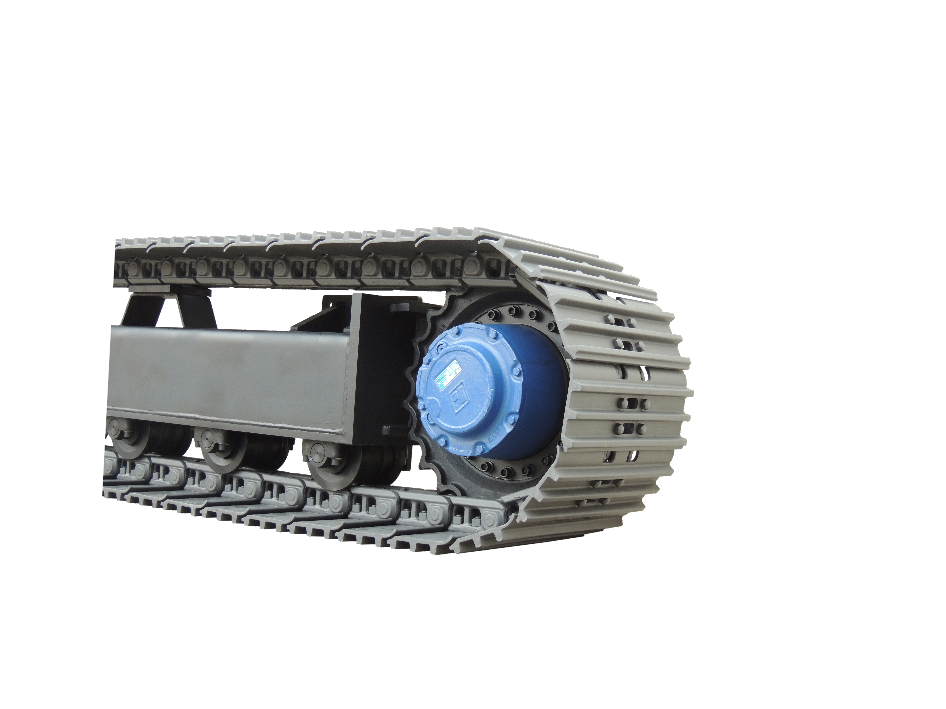
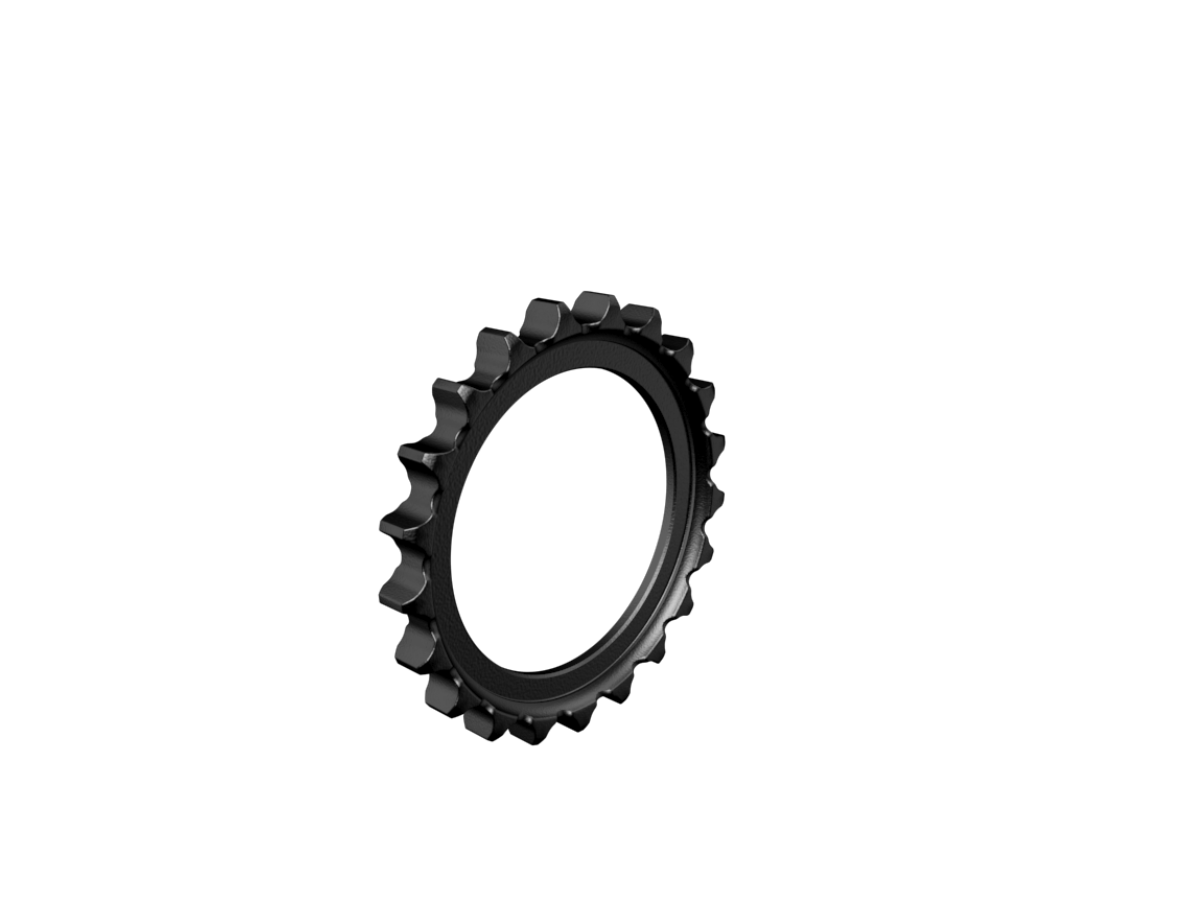
Drive sprockets transfer drive force from the travel motor to the track chain and are among the key wear components of a crawler undercarriage. This category includes drive sprockets, track sprockets, sprockets, weld-on sprocket rims and segment groups for mini excavators, crawler excavators, dozers and other tracked machines.
The range covers undercarriage components for manufacturers such as Caterpillar, Komatsu, Hitachi, Volvo, Liebherr, Kubota, JCB, Case, Hyundai, Doosan and further machine brands. Selection depends on reference number, machine model, track chain series, tooth count or technical dimensions.
- Drive sprockets and track sprockets for mini excavators and crawler excavators
- Segment groups for dozers and heavy crawler undercarriages
- Weld-on sprocket rims for undercarriage repair and component refurbishment
📞 +49 (0)2241 26 56 700
Create your LIS customer account and get full access to our undercarriage filters.
Drive sprockets and track sprockets within the undercarriage system
Drive sprockets engage directly with the track chain and transfer drive force into the undercarriage. The tooth profile must match the track pitch and the corresponding track chain series. Even minor deviations can cause increased wear, uneven chain movement or reduced undercarriage service life.
For many machines, identification is based on reference numbers. In addition, tooth count, track pitch, mounting geometry and machine model are critical for selecting the correct drive sprocket.
How is the correct drive sprocket identified?
Depending on the undercarriage system, identification is based on reference number, machine model, track chain series, tooth count, bolt pattern and technical dimensions. On older machines or previously rebuilt undercarriages, selection should not rely on the machine model alone, as different undercarriage versions may exist within the same machine series.
For reliable identification, existing reference numbers, technical drawings or the dimensions of the installed sprocket should be checked.
Why is the tooth count important?
The tooth count, together with the track pitch, defines the engagement geometry between drive sprocket and track chain. Sprockets with different tooth counts must not be exchanged solely because the overall size appears similar.
If the tooth count does not match the track chain, the chain will not run correctly in the tooth profile. This can lead to increased wear, uneven load distribution and damage to both the track chain and the sprocket.
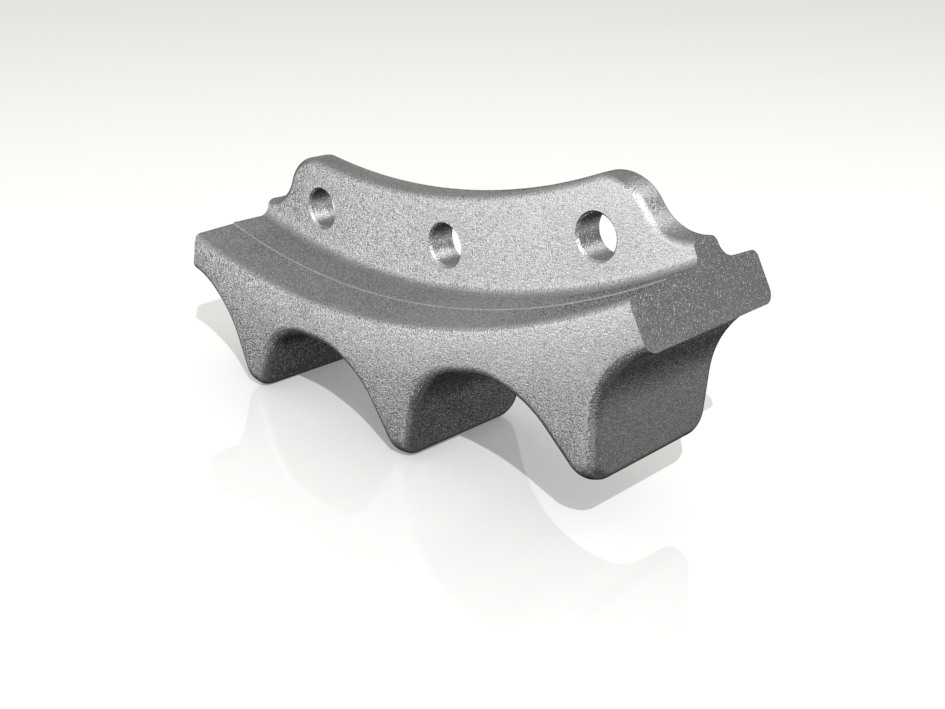
Segment groups for dozers and heavy crawler machines
On many dozers and larger crawler machines, segment groups are used instead of a one-piece drive sprocket. Their main advantage is that individual segments can be replaced without changing the complete sprocket assembly.
Segment groups are particularly relevant for heavy-duty dozer undercarriages and applications with high traction loads, abrasive ground conditions and frequent directional changes.
Weld-on sprocket rims for undercarriage repair
Weld-on sprocket rims are used on specific undercarriage designs for repair or refurbishment of drive components. The design must match the existing undercarriage geometry, tooth profile and machine application.
They are relevant where replacing or restoring the sprocket rim is technically and economically suitable for the existing undercarriage component.
When should a drive sprocket be replaced?
Typical wear indicators include worn tooth flanks, hook-shaped tooth tips, uneven tooth breakage or irregular track chain movement. Severely worn sprockets can significantly accelerate wear on new track chains.
During major undercarriage repairs, the sprocket should therefore be assessed together with the track chain, the idler, the track rollers and the carrier rollers.
Drive sprockets for many machine manufacturers
The range includes drive sprockets, track sprockets, weld-on sprocket rims and segment groups for undercarriage applications from Caterpillar, Komatsu, Hitachi, Volvo, Liebherr, Kubota, JCB, Case, Hyundai, Doosan and further manufacturers.
Frequently asked questions about drive sprockets
Can a new track chain run on a worn drive sprocket?
Technically this is possible, but it often causes accelerated wear on the new track chain. Therefore, drive sprocket and track chain should be assessed together.
Are drive sprocket and track sprocket the same?
In crawler undercarriage applications, the terms drive sprocket and track sprocket are often used for the same component. The term sprocket is widely used internationally.
What is the difference between a drive sprocket and a segment group?
A drive sprocket is usually a one-piece component. Segment groups consist of individual replaceable segments and are mainly used on larger dozers and heavy crawler machines.
Relation to other undercarriage components
The service life of a drive sprocket is strongly influenced by the condition of the track chain. At the same time, track tension, idlers, track rollers and carrier rollers directly affect the load on the tooth profile.
For an economical undercarriage repair, related components should be checked as a system: track chains must match the sprocket geometry, complete track groups are relevant when track chain and track shoes are required as a pre-assembled unit, and track adjusters influence correct track tension across the entire undercarriage system.
📞 +49 (0)2241 26 56 700