


Ripper Teeth & Ripper Parts Suitable for CAT® D8 to D11
For ripper assemblies on CAT® D8, D9, D10 and D11 machines, the ripper tooth, ripper shank and retention parts must be matched to the installed ripper configuration. The machine series alone is not sufficient because ripper size, tooth profile, shank interface and retention system can vary depending on the equipment specification.
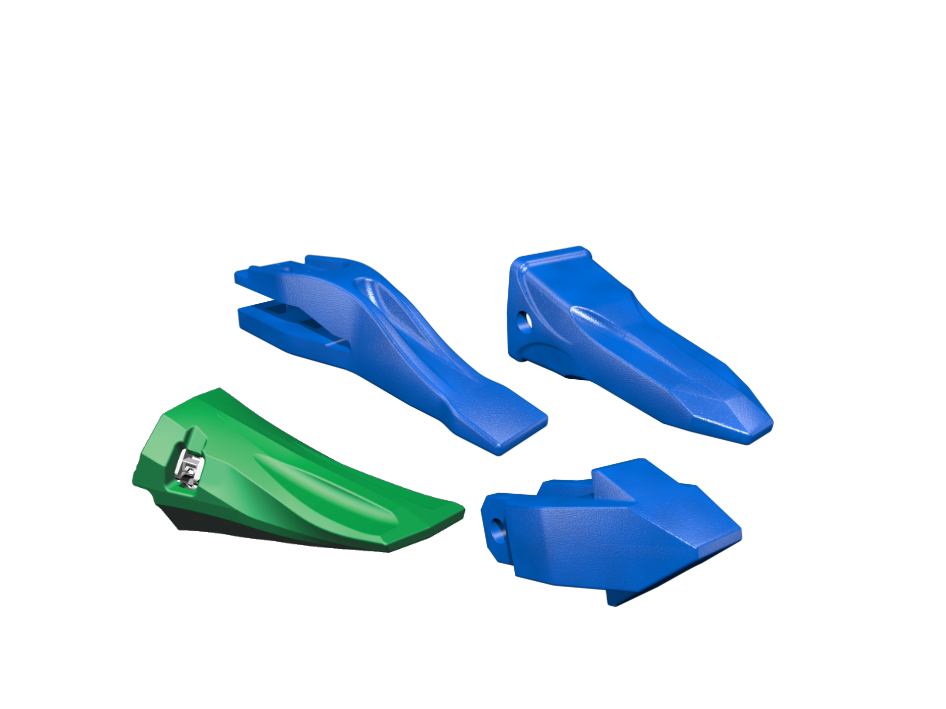
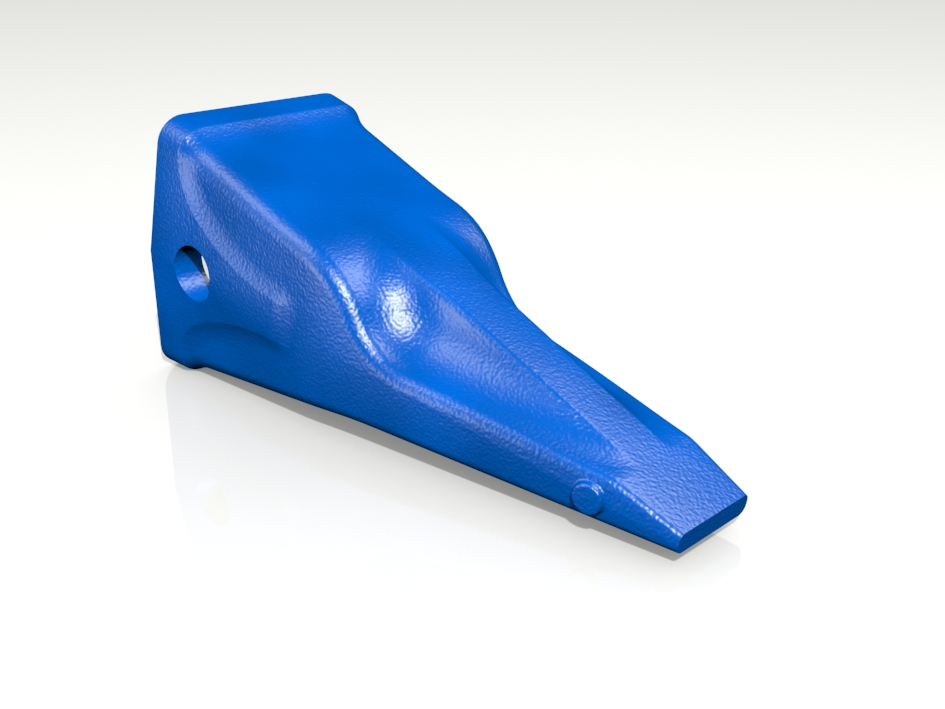
- Ripper teeth: confirmed R450 and R500 designs
- Additional components: ripper shank, ripper pin and retainer
- Check points: reference number, ripper size, shank nose and retention combination
📞 +49 (0)2241 26 56 700
Note: LIS® replacement parts. Brand names such as CAT® are used exclusively to identify compatibility. These are not original manufacturer parts.
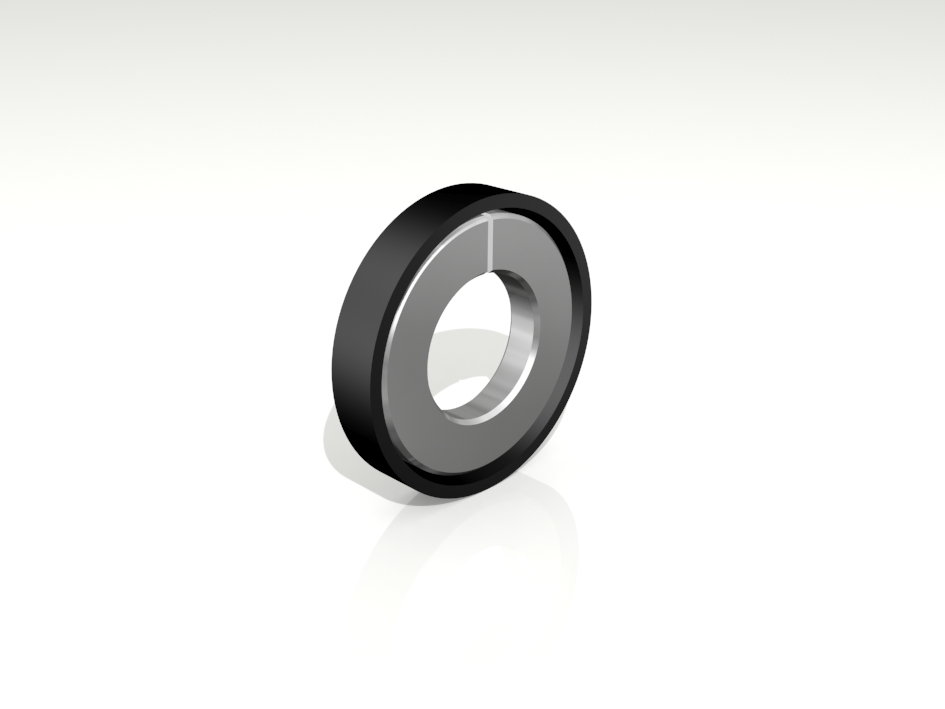
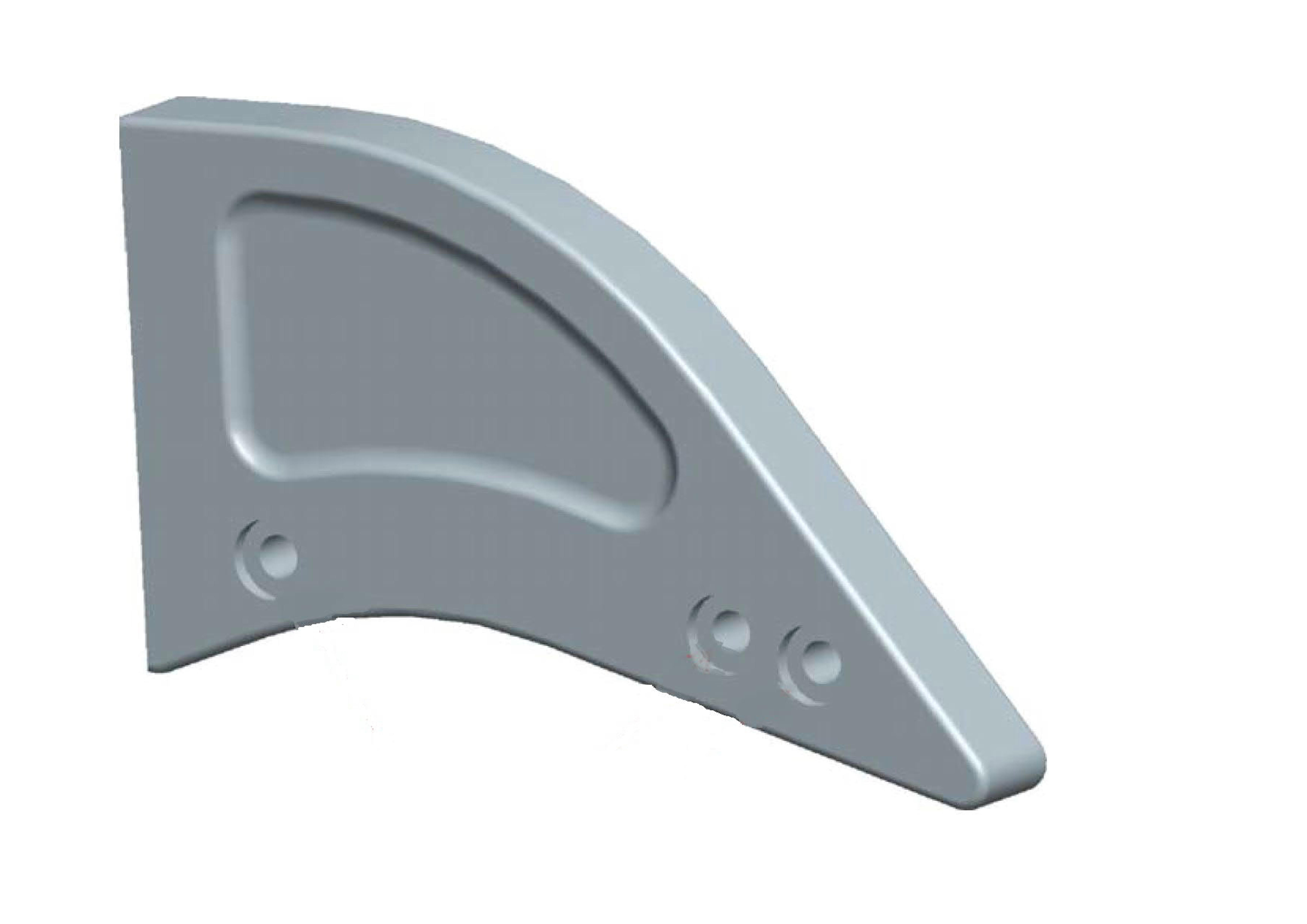
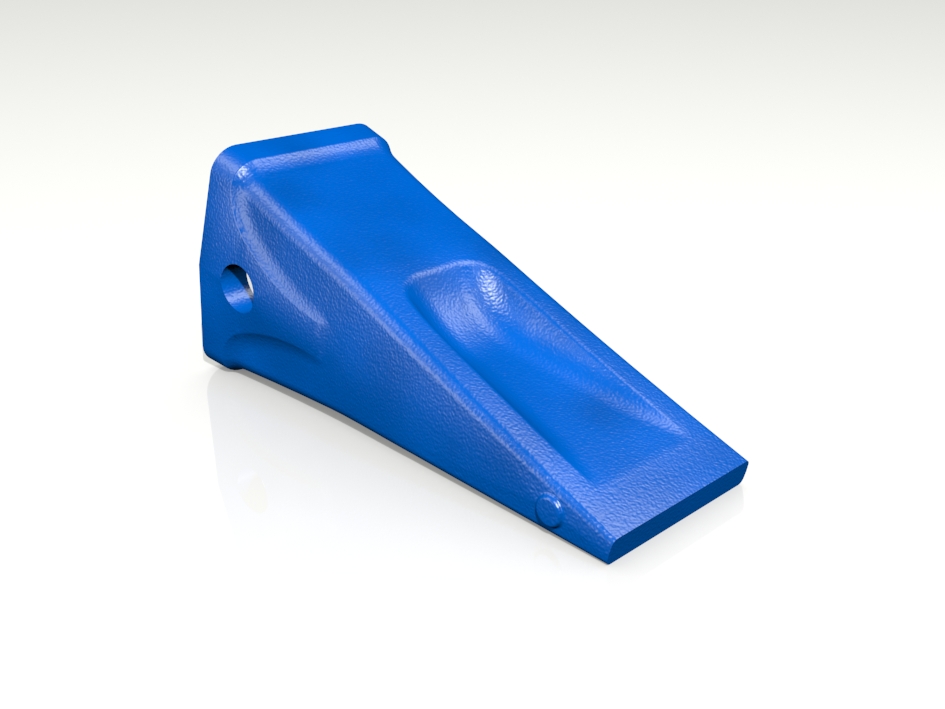
Correctly identifying ripper parts for CAT® D8 to D11
Ripper teeth, ripper shanks and retention parts are identified according to the ripper size and installed interface. The D8, D9, D10 or D11 designation alone does not confirm complete compatibility.
Different tooth, shank and retention designs may be installed depending on the machine series, configuration and fitted ripper assembly. The reference number on the existing part, the ripper size, the geometry of the shank nose and the installed retention system provide the basis for identification.
Further tooth and adapter systems are listed under Teeth and Tooth Systems.
Confirmed reference numbers in the current LIS® range
The following overview contains confirmed public reference numbers from the current product range. It is not a complete CAT® parts catalogue. Components must not be combined solely because they are assigned to the same machine series.
| Reference number | Component | Design | Technical classification |
|---|---|---|---|
| 9W-2451 | Ripper tip | R450 Centerline Short | Short symmetrical Centerline design |
| 9W-2452 | Ripper tip | R450 Centerline | Centerline design for the R450 size |
| 4T-5452 | Ripper tip | R450 Penetration | Penetration design for moderate impact and abrasion conditions |
| 4T-5502 | Ripper tip | R500 Penetration | Penetration design for the R500 size |
| 8E-8418 | Ripper shank | Shank section 75 × 100 mm | Ripper shank with its own interface and retention geometry |
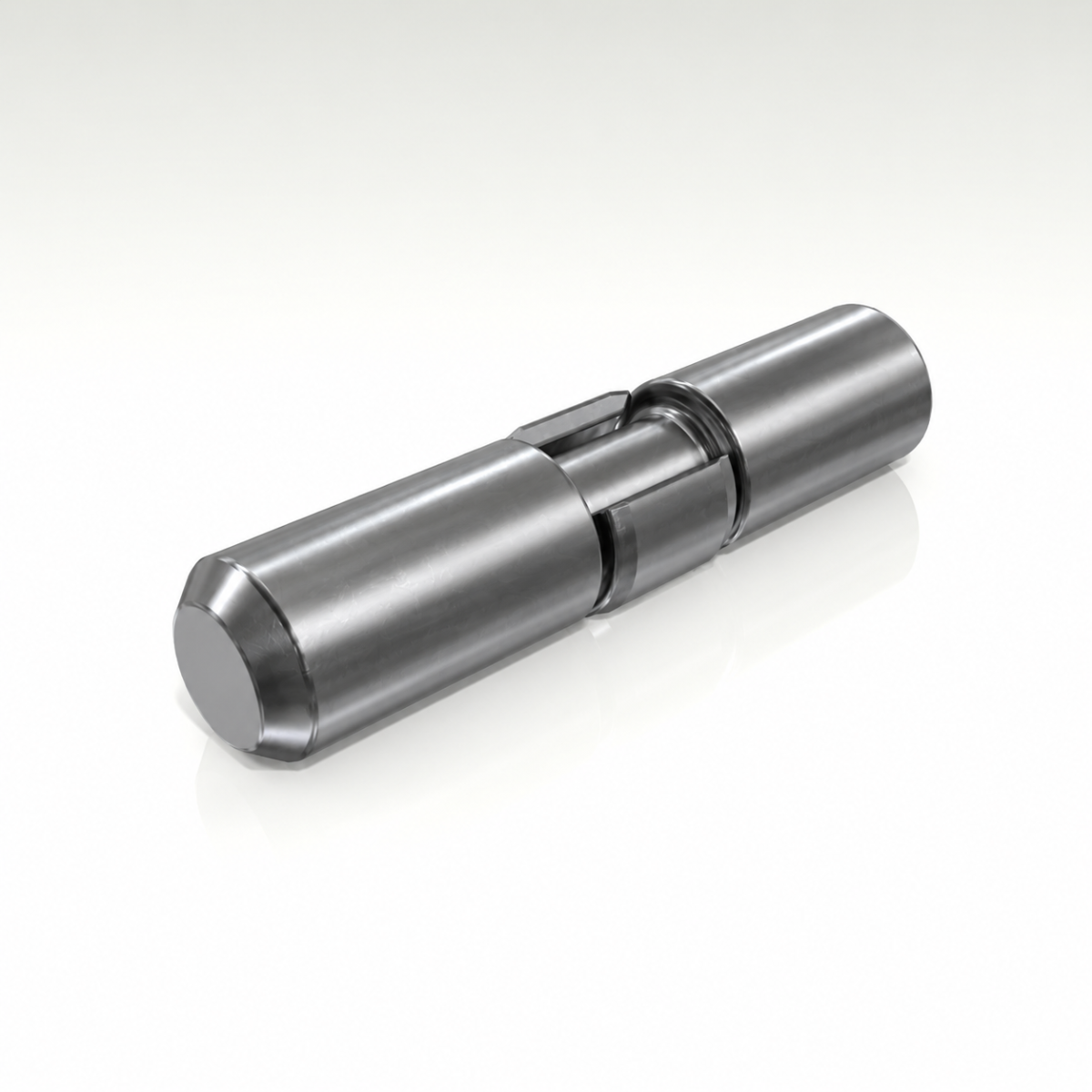
| 4T-2479 | Ripper pin | Ø 25.4 mm, overall length 118.5 mm | Separate ripper pin, not a universal tooth-retention pin |
| 8E-4743 | Retainer | R450, 25 mm | Retention component within the R450 retention family |
Distinguishing R450 from R500
R450 and R500 are separate ripper sizes. Tooth tips, shanks, retention pins and retainers must not be combined solely because they are assigned to the same D8, D9 or D10 machine series.
The current LIS® R450 range includes tooth references 9W-2451, 9W-2452 and 4T-5452. Reference 4T-5502 belongs to the R500 size. The two sizes use different interface and retention assignments.
Selecting Centerline and Penetration profiles
Centerline tooth tips have a symmetrical tooth geometry. The short 9W-2451 design is classified as R450 Centerline Short. Reference 9W-2452 belongs to the R450 Centerline design.
References 4T-5452 and 4T-5502 are Penetration profiles for the R450 and R500 sizes respectively. Reference 4T-5452 is classified for moderate impact and abrasion conditions. Material, impact level, abrasion and required penetration behaviour must be considered together when selecting the tooth profile.
Checking the ripper shank and shank interface
The ripper shank supports the tooth tip and forms the connection to the ripper assembly. Reference 8E-8418 must be classified as a ripper shank and not as a tooth adapter.
Before ordering, check the shank section, shank nose, seating surfaces, retention bore and wear condition. A visually similar tooth tip does not confirm a matching shank interface.
Matching the retention pin and retainer
Retention pins and retainers are assigned to the relevant ripper size and interface. Retainer 8E-4743 belongs to the R450 retention family. The retainer alone does not form a complete retention combination.
Ripper pin 4T-2479 is a separate component and must not be treated as a universal tooth-retention pin for all R450 designs. R500 tooth tips use different retention assignments from R450 components.
Assessing wear on the tooth, shank and retention parts
If movement is present at the tooth tip, the shank nose, seating surfaces and retention bore must be checked together. A new ripper tooth may still have movement or incomplete seating when installed on a worn shank.
The retention pin and retainer must be checked for wear, deformation and correct seating. If the seating surfaces are damaged or the retention bore is deformed, the interface must be technically assessed before further use.
Note on CAT® D11 identification
The tooth references confirmed in this overview currently cover R450 and R500 designs. This does not establish general compatibility with every CAT® D11 ripper configuration. For D11 applications, the reference number on the existing component, the ripper size and the installed interface must be checked separately.
Check before ordering
- Read the reference number on the ripper tooth, ripper shank and retention part
- Clearly identify the ripper size, such as R450 or R500
- Select the tooth profile according to the material, impact level and required penetration behaviour
- Check the shank nose, seating surfaces and retention bore for wear
- Assign the retention pin and retainer to the correct retention family
- Check the machine series together with the installed ripper configuration
- Provide photographs, reference numbers and available dimensions if identification remains unclear
LIS® cutting tools are covered by the lifetime breakage warranty in accordance with the LIS® warranty terms. Normal wear caused by operating conditions is excluded. The applicable warranty terms shall govern.
📞 +49 (0)2241 26 56 700
Note: LIS® replacement parts. Brand names such as CAT® are used exclusively to identify compatibility. These are not original manufacturer parts.