


230 mm Rubber Tracks for Mini Excavators, Crawler Dumpers and Crawler Carriers
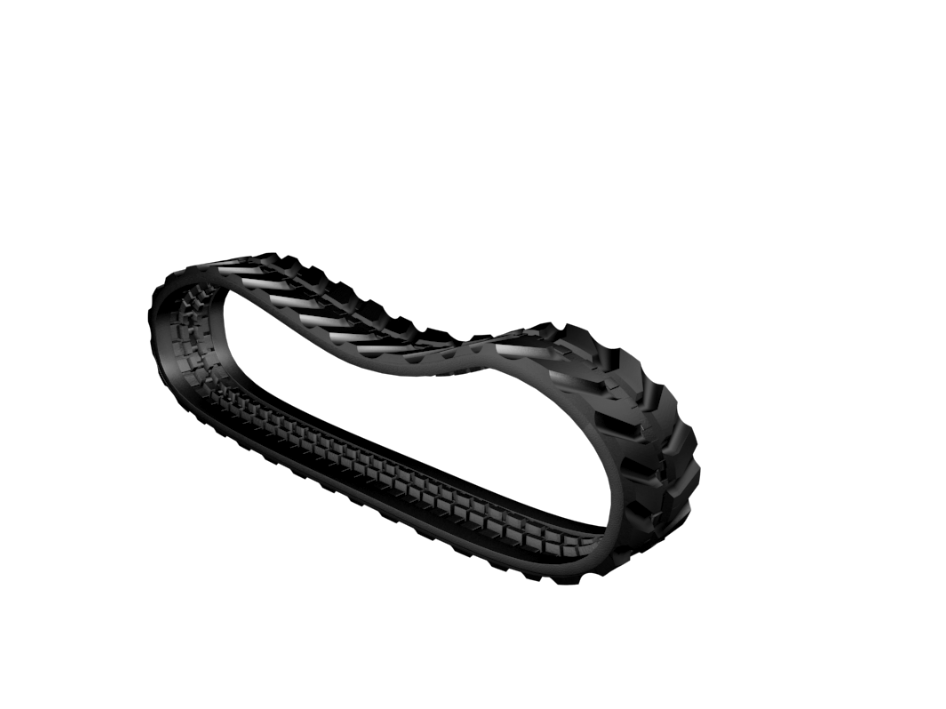
230 mm rubber tracks for mini excavators, crawler dumpers and crawler carriers are assigned at LIS® by machine model, pitch, number of links and track version. This width class includes several technical pitch groups and versions that must be matched with the existing track and the respective undercarriage variant.
- Selection via LIS® rubber track finder, product filters or existing track size marking
- Identification by pitch, number of links, SRT, K or Y version
- For selected mini excavators, crawler dumpers, crawler carriers and compact tracked undercarriages
📞 +49 (0)2241 26 56 700
Search for machines (e.g. Kubota KX71 -3)
Search by dimensions (e.g. 400/74/72.5W)
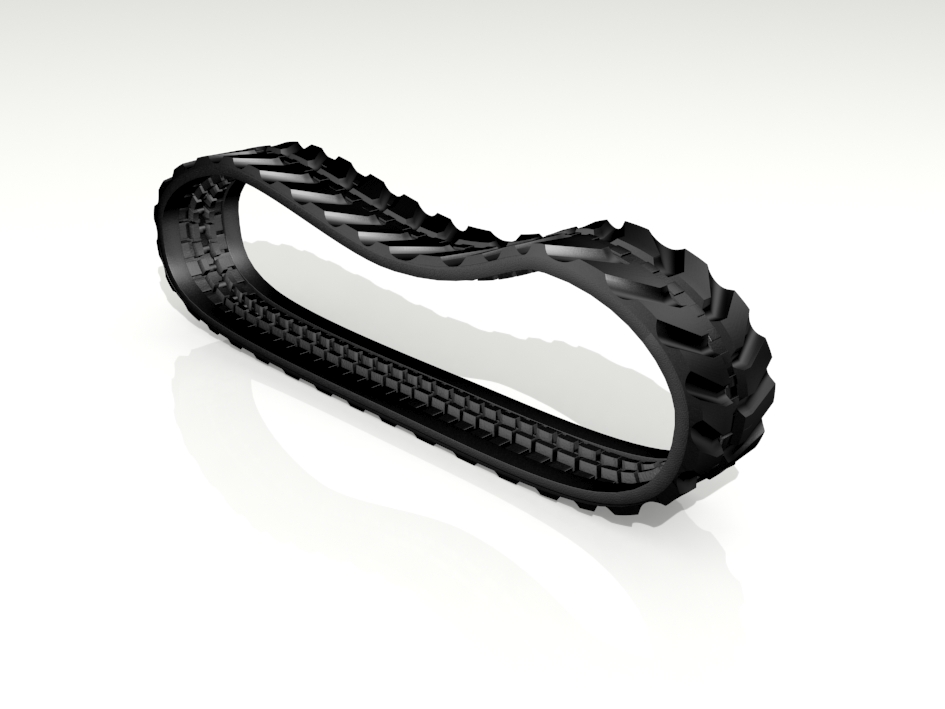
230 mm rubber tracks as a technical variant class
230 mm rubber tracks form a particularly wide-ranging width class in the LIS® range for selected mini excavators, crawler dumpers, crawler carriers and compact tracked undercarriages. Technical identification is not based on width alone, but on the combination of pitch, number of links, track version, machine model and undercarriage variant.
Several pitch groups are relevant within this category. Depending on the article, 230 mm rubber tracks may be designed with a pitch of 48 mm, 72 mm, 96 mm or 101 mm. This may result in significant differences in the required number of links, effective track length, guide geometry and machine assignment.
Pitch groups: 48 mm, 72 mm, 96 mm and 101 mm
The 96 mm pitch is often combined with lower link counts in the 230 mm width range and is used on selected mini excavators and compact tracked undercarriages. The 72 mm pitch covers a broad middle range of variants in this width and may be designed as an SRT standard version or with a specific inner guide version, depending on the article.
The 48 mm pitch represents a short-pitch design with a correspondingly higher number of links in the 230 mm width range. It must be carefully compared with the existing track marking and the machine assignment. The 101 mm pitch should be treated as an article-specific special variant within this category and selected only via the specific article number, track marking and machine assignment.
Check number of links, SRT, K inner guide and Y inner guide
For 230 mm rubber tracks, the width alone is not sufficient for correct identification. Pitch, number of links, track version and inner guide geometry must match the existing track and undercarriage. Within this width category, pitches of 48 mm, 72 mm, 96 mm or 101 mm may identify completely different track variants.Track construction and application logic
LIS® rubber tracks combine an internal structure with continuously wound steel cords and steel cores with a rubber compound designed for construction machinery undercarriages. For 230 mm rubber tracks, this construction is particularly relevant in combination with the correct pitch, matching number of links and proper guidance within the undercarriage.
Even a technically suitable track construction does not replace exact identification. The existing track marking, machine model, undercarriage variant and technical article data must match. The LIS® rubber track finder and product filters support this comparison.
Use on mini excavators, crawler dumpers and crawler carriers
230 mm rubber tracks are used in machine classes where undercarriage length, track guidance, installation space and machine weight can vary more significantly than on very narrow rubber tracks. This includes selected mini excavators, crawler dumpers, crawler carriers and other compact tracked undercarriages with the corresponding undercarriage version.
On these machines, similar model names, different years of manufacture or different undercarriage versions may require different rubber tracks. The existing track marking should therefore always be compared with the technical article data and the machine assignment in the LIS® shop.
Check machine, existing track and undercarriage
Selection can be made via the LIS® rubber track finder, the product filters or the existing rubber track. If the old track is still readable, width, pitch, number of links and track version should be compared with the article data.
If identification is unclear, adjacent undercarriage components should also be checked, especially drive sprockets, idlers, track rollers and track adjusters. A 230 mm rubber track must technically match the existing undercarriage geometry.
230 mm rubber tracks, excavator tracks and rubber crawler tracks
Depending on search intent, 230 mm rubber tracks are also referred to as 230 mm excavator tracks, rubber crawler tracks or tracks for mini excavators. This category covers rubber tracks for machines with rubber-track undercarriages, not steel tracks.
If a steel-track undercarriage is required instead of a rubber track, the relevant undercarriage categories are track chains, complete track chains, track shoes or rubber pads and rubber plates, depending on the required component.
Further rubber track widths
LIS® 230 mm rubber tracks are used in OEM quality. If the existing track has a different width, the main category rubber tracks leads to further widths from 150 to 900 mm. Common technical entry points also include 200 mm rubber tracks, 250 mm rubber tracks, 260 mm rubber tracks and 280 mm rubber tracks.
📞 +49 (0)2241 26 56 700