


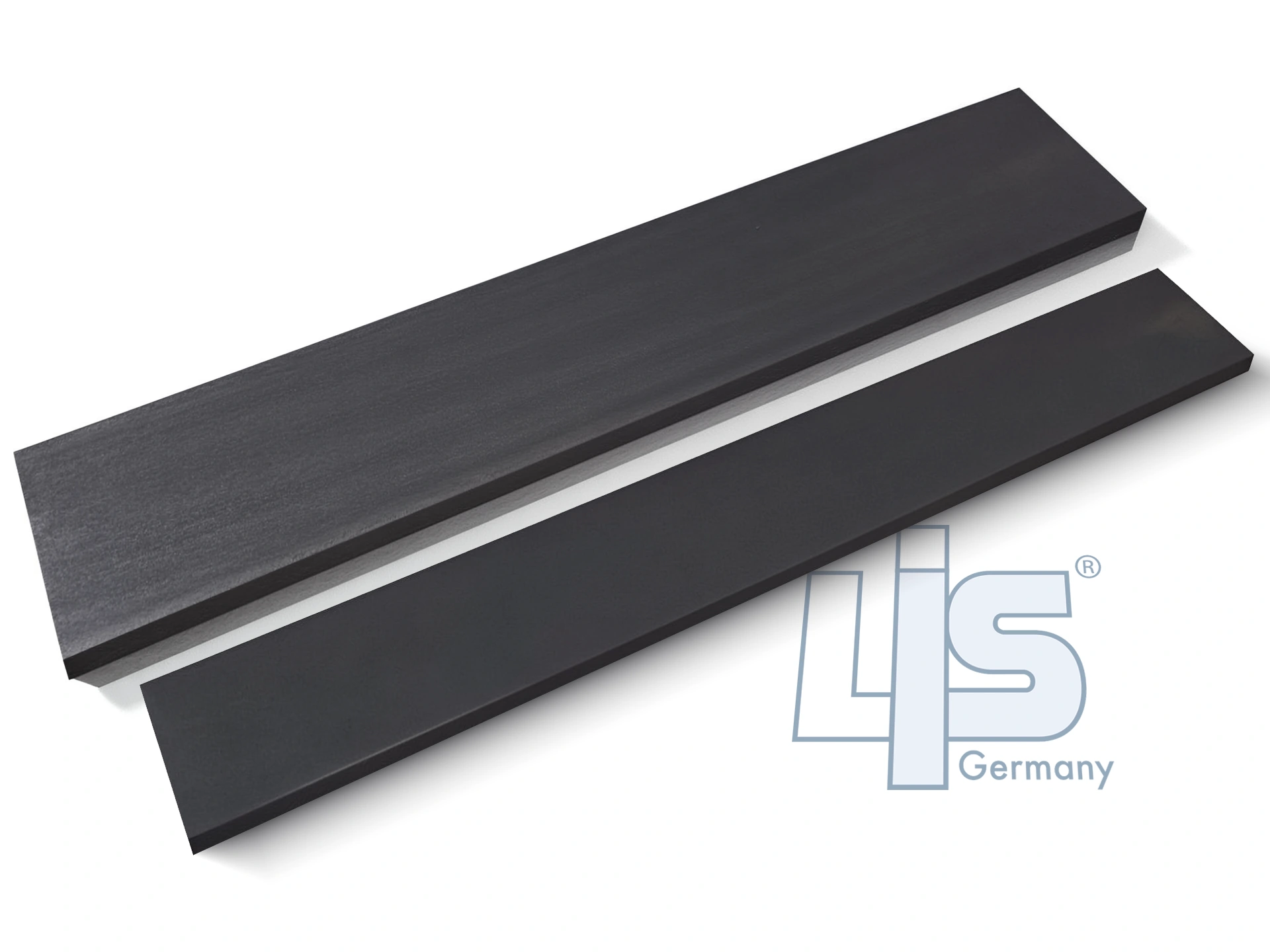
HB500 Wear Bars & Flat Wear Strips
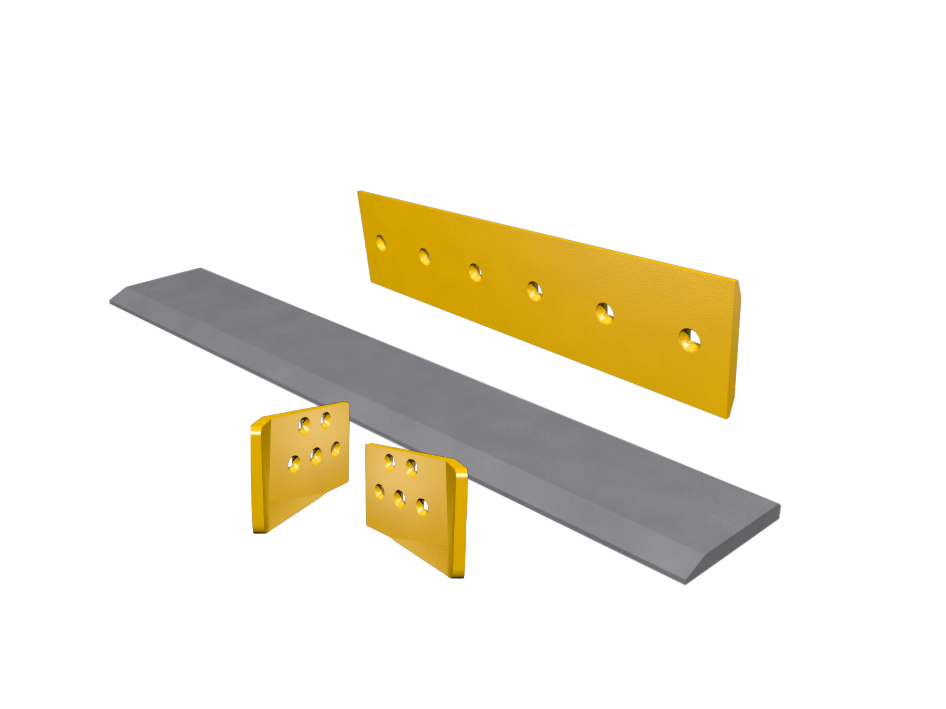
HB500 wear bars and flat wear strips are used as weld-on reinforcement for excavator buckets, loader buckets and other construction equipment attachments.
They protect heavily exposed surfaces such as bucket bottoms, loader bucket floors, side sections and transition zones against abrasion and wear. Wear bars are commonly used for repair, maintenance and targeted reinforcement of wear-prone areas.
- HB500 wear bars and flat wear strips
- Widths from 60 mm to 200 mm and thicknesses from 10 mm to 20 mm
- Available in 3 m and 6 m lengths depending on size
- For bucket bottoms, loader buckets, side sections and local wear zones
📞 +49 (0)2241 26 56 700
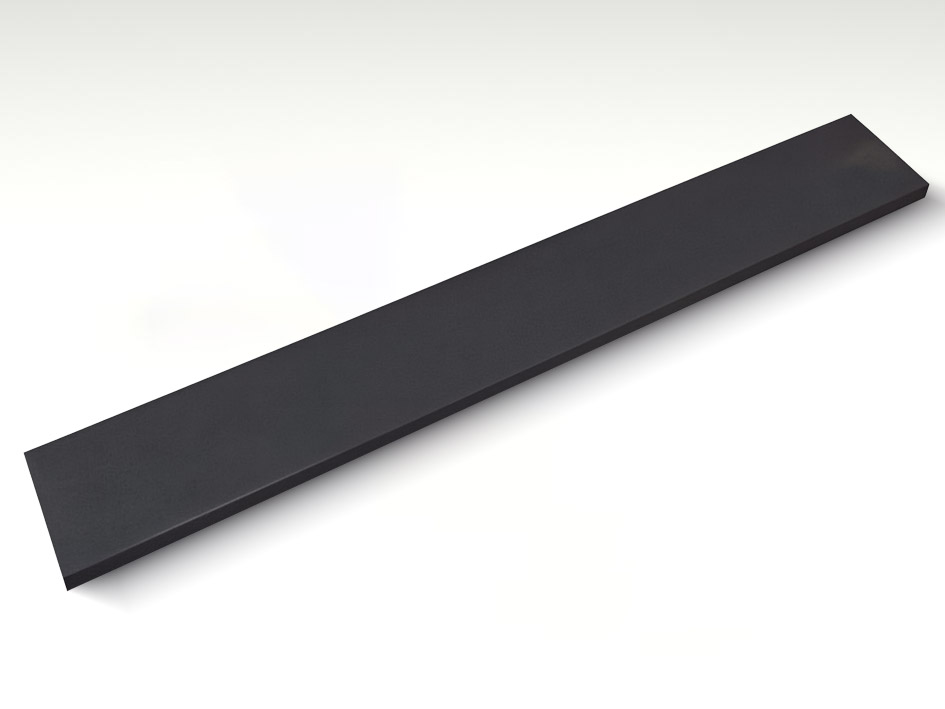
Wear Bars for Surface Reinforcement
Wear bars are used wherever buckets, loader buckets and attachments are exposed to continuous abrasive wear across larger surface areas. Unlike a cutting edge, they are not primarily designed to perform the digging function. Instead, they protect surfaces, bottom sections and transition areas exposed to soil, gravel, recycled materials or demolition debris.
The parent category Cutting Edges, Wear Bars & Profiles includes weld-on cutting edges, bolt-on cutting edges, grader blades, wear profiles and additional wear protection components for construction equipment.
Weld-On Wear Protection for Buckets and Attachments
HB500 wear bars are welded onto wear-prone areas to reinforce and protect exposed surfaces. Typical installation areas include bucket bottoms, loader bucket floors, side walls, rear sections and local contact zones on construction equipment attachments.
They are commonly used when specific wear areas need reinforcement without replacing the complete bucket, attachment or structural component.
Available Sizes
This category includes HB500 wear bars and flat wear strips in widths from 60 mm to 200 mm and thicknesses from 10 mm to 20 mm.
Available sizes include 60×10 mm, 80×10 mm, 100×10 mm, 100×12 mm, 100×15 mm, 120×20 mm, 150×15 mm, 150×20 mm and 200×20 mm. Depending on the product, lengths of 3 m or 6 m are available.
Difference Between Wear Bars, Cutting Edges and Wear Protection Profiles
If a primary cutting edge needs to be repaired or replaced, the appropriate categories are Wear Bars & Cutting Edges and Wear Bars & Cutting Edges Cut to Size.
Armor Steel Wear Protection Bars are primarily used for local wear zones with a raised profile design. V-Profile Wear Bars protect edges and transition areas while also reinforcing exposed sections. Flat wear bars, by comparison, are used as straight weld-on reinforcement strips for larger surface areas and repair zones.
Selecting the Correct Wear Bar
The correct selection depends on width, thickness, length, wear pattern, component geometry and available mounting surface. Narrower wear bars are typically used for limited contact areas and edge sections, while wider and thicker profiles are suitable for larger surfaces and heavily loaded wear zones.
Check Before Welding
Before installation, the wear pattern, welding position, material flow and surrounding components should be evaluated. Wear bars should be positioned to protect the wear zone without negatively affecting attachment performance or material movement.
Additional Cutting Edge and Wear Protection Categories
For bolt-on cutting edges, see 6 Inch Bolt-On Cutting Edges and 6 Inch Reversible Bolt-On Cutting Edges – Cut to Size. For grader blade applications, see Grader Blades and Bolt-On Grader Blades.
Frequently Asked Questions About Wear Bars and Flat Wear Strips
What are wear bars used for?
Wear bars are welded onto buckets, loader buckets and attachments to protect surfaces and contact areas against abrasive wear.
What is the difference between wear bars and cutting edges?
Cutting edges perform the primary digging and cutting function. Wear bars are mainly used to protect surfaces, bottom sections and local wear zones.
Which sizes are available?
Available sizes range from 60 mm to 200 mm in width, 10 mm to 20 mm in thickness and 3 m or 6 m lengths depending on the product.
When should flat wear bars be used?
Flat wear bars are used when larger surfaces or elongated wear zones on buckets, loader buckets and attachments require reinforcement, repair or additional wear protection.
📞 +49 (0)2241 26 56 700