


Bucket teeth & tooth adapters suitable for CAT® J550
For the CAT® J550 tooth system, bucket tooth or tooth tip, tooth adapter or tooth holder and side locking parts must be checked together during replacement part identification. Reference number, tooth profile, adapter design, locking bore and the condition of the existing J550 interface are technically decisive.
- J550 components: tooth tips, double-strap adapters 1U-1553 and 6I-6554, locking pin 6Y-8558 and retaining rings 8E-5559 and 8E-5559HD as LIS® article variants
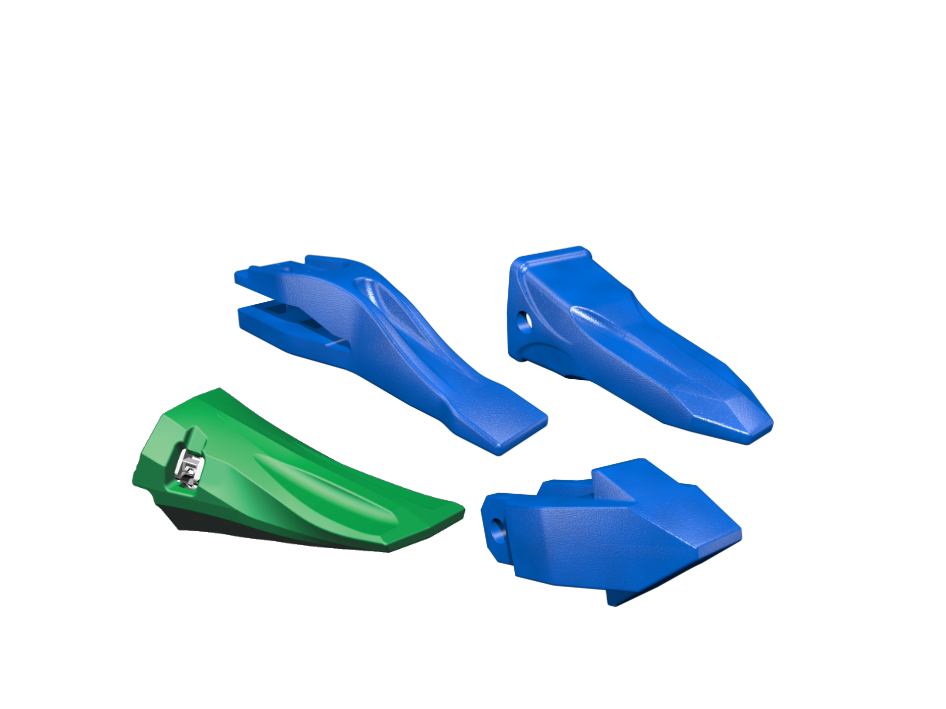
- Tooth profiles: short, long, long HD / Heavy Duty, sharp / penetration, pointed design, double spike / Twin Tiger, Rock Chisel, Rock Loader, HD-Abrasion and wide / Paddle
- Check points: reference number, tooth profile, adapter interface, locking bore and condition of the existing components
📞 +49 (0)2241 26 56 700
Note: LIS® replacement parts. Brand names such as CAT® are used exclusively to identify compatibility. These are not original manufacturer parts.
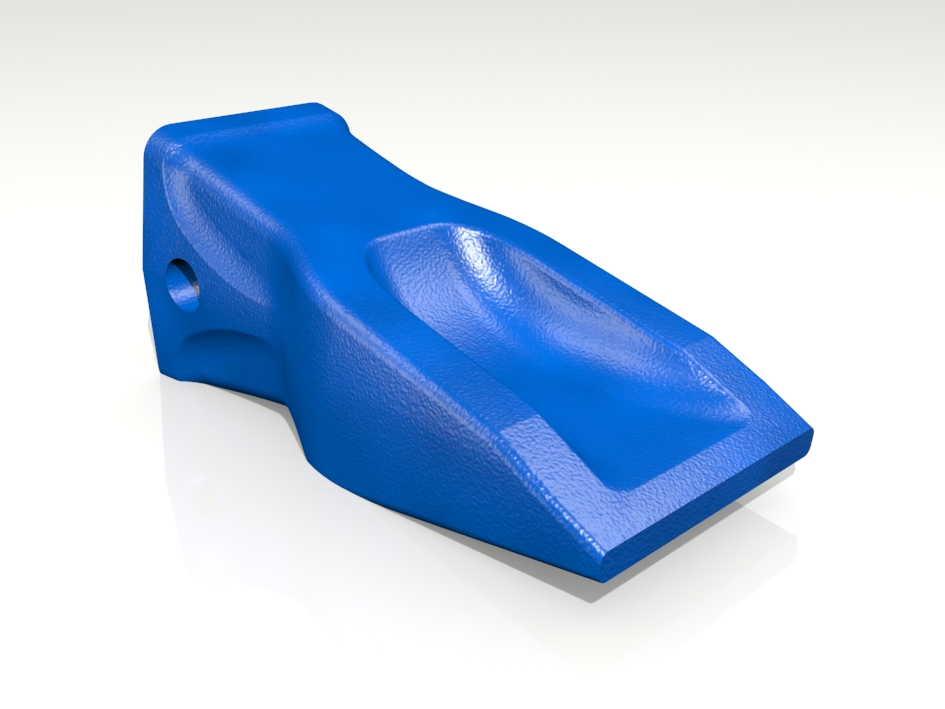
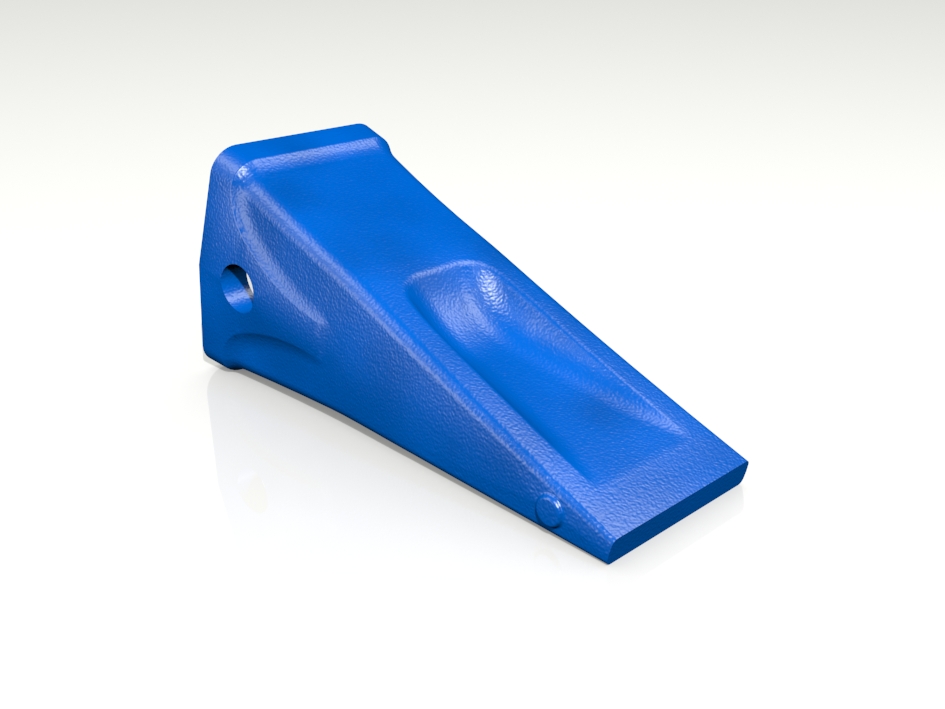
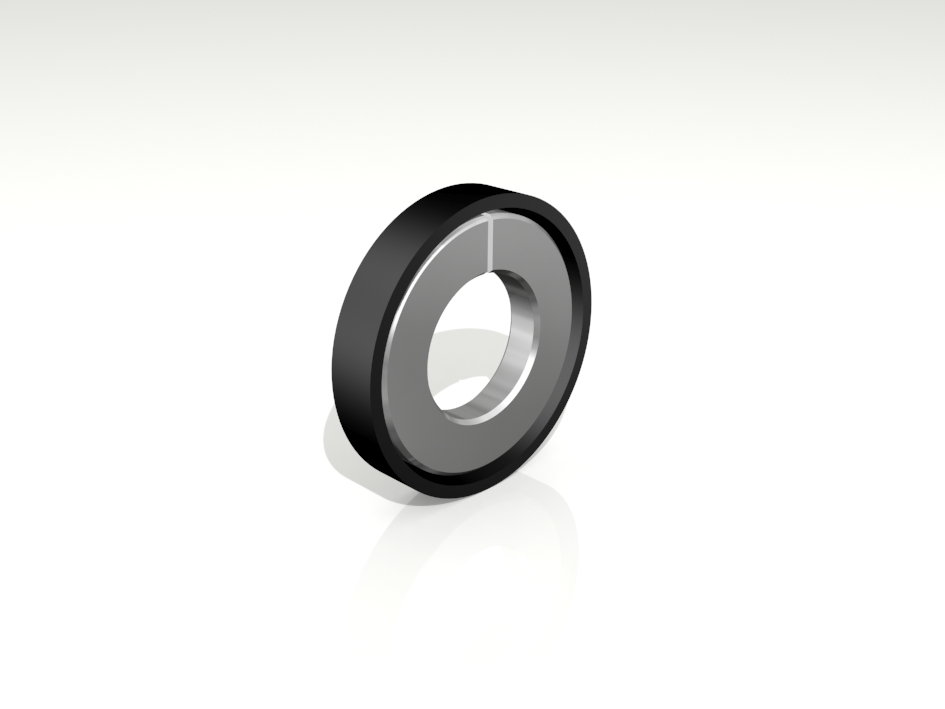
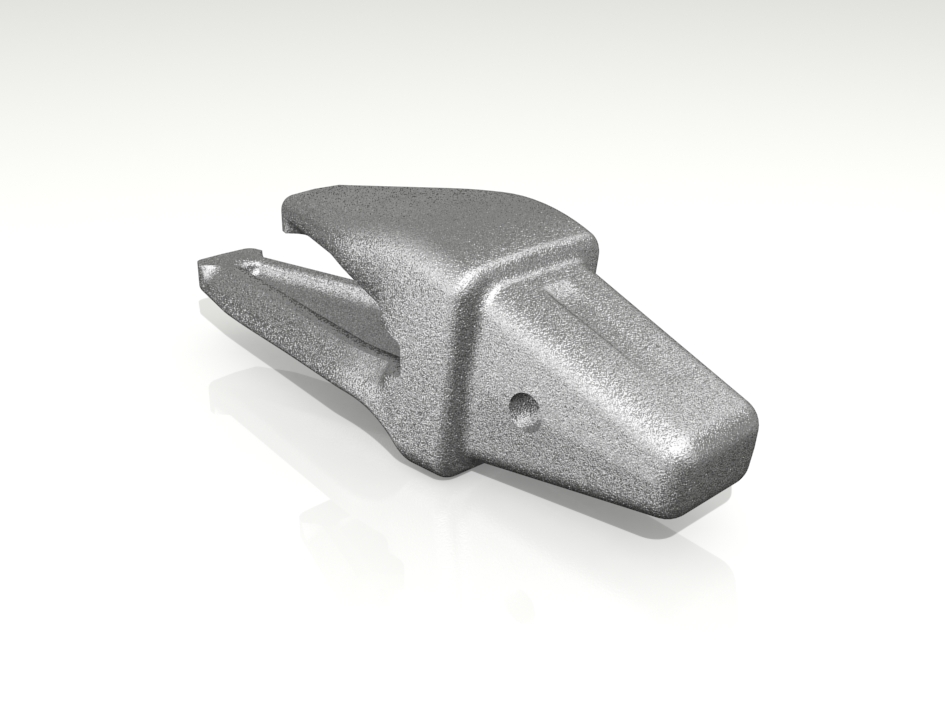
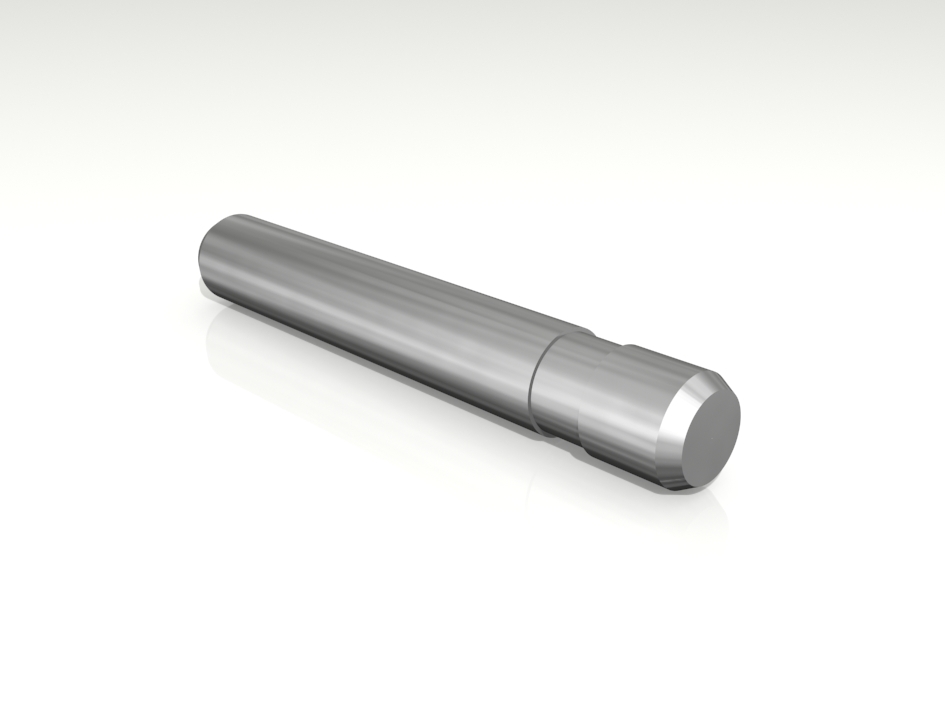
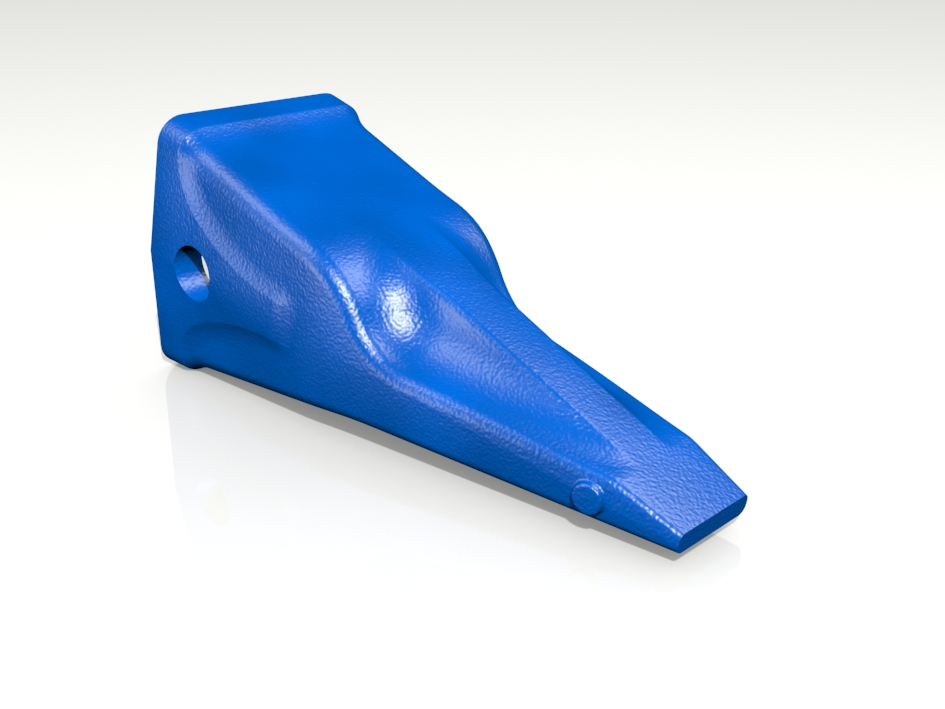
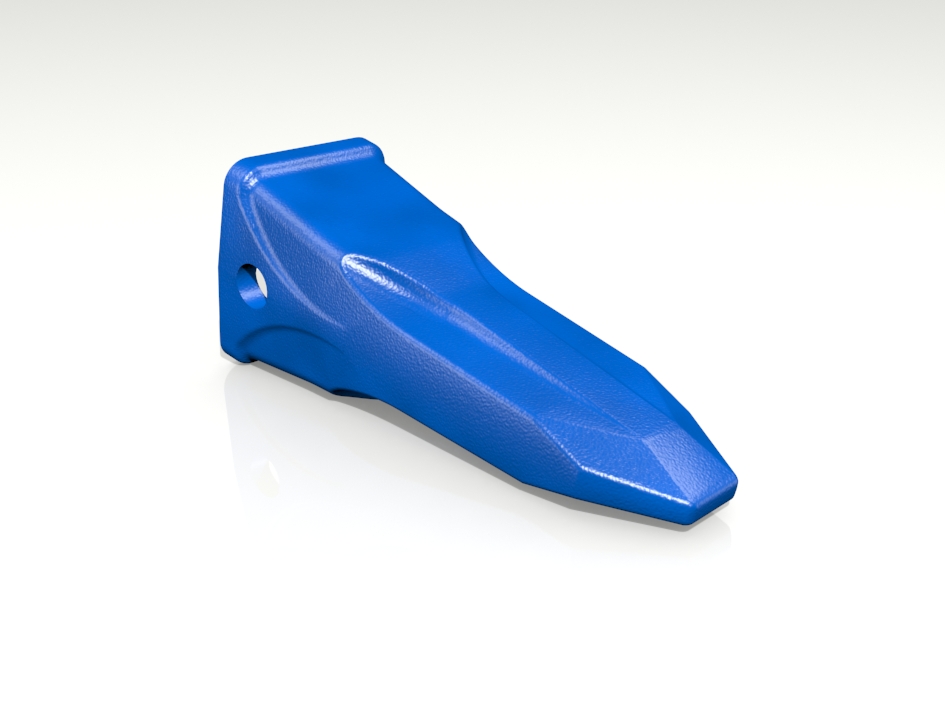
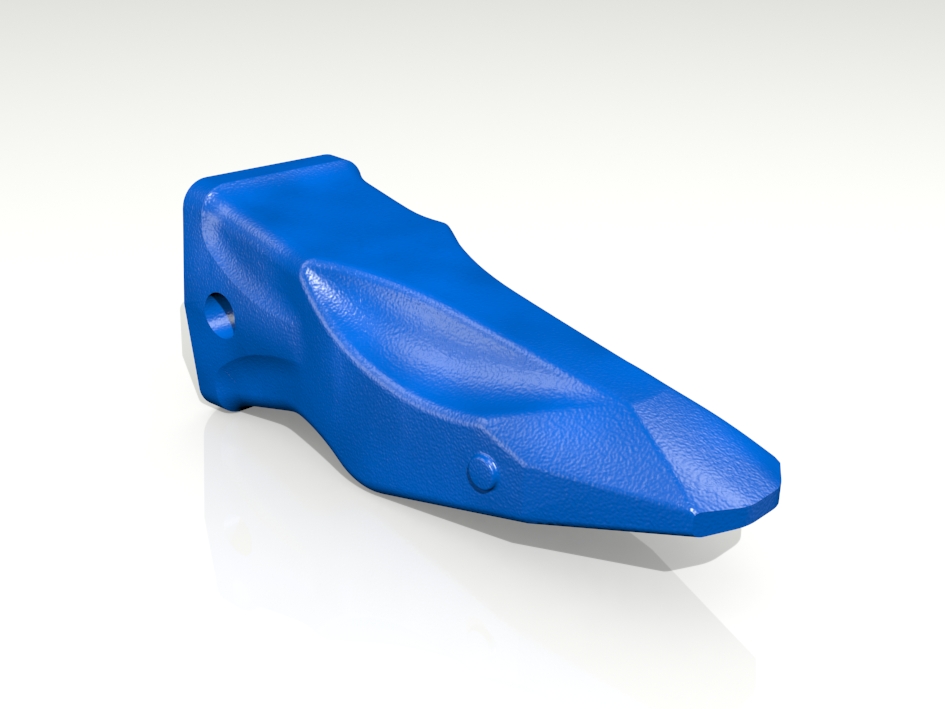
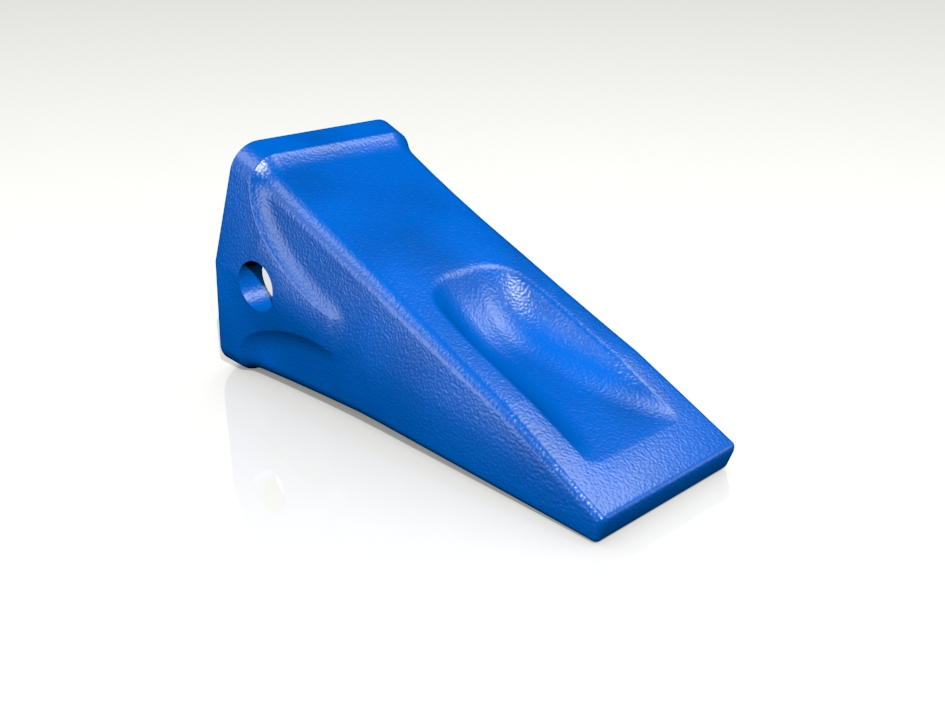
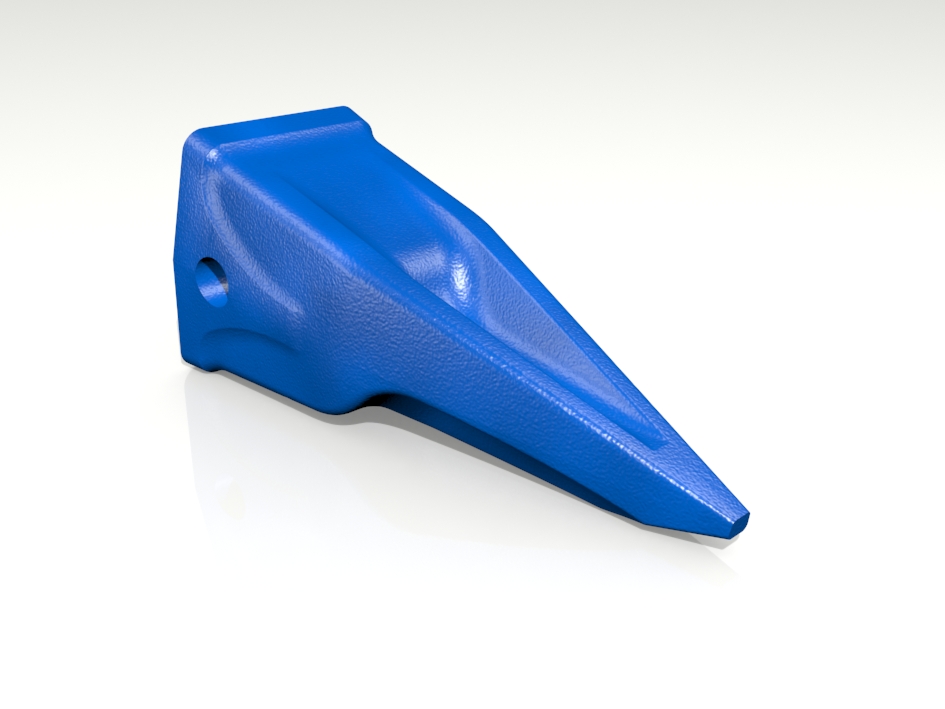

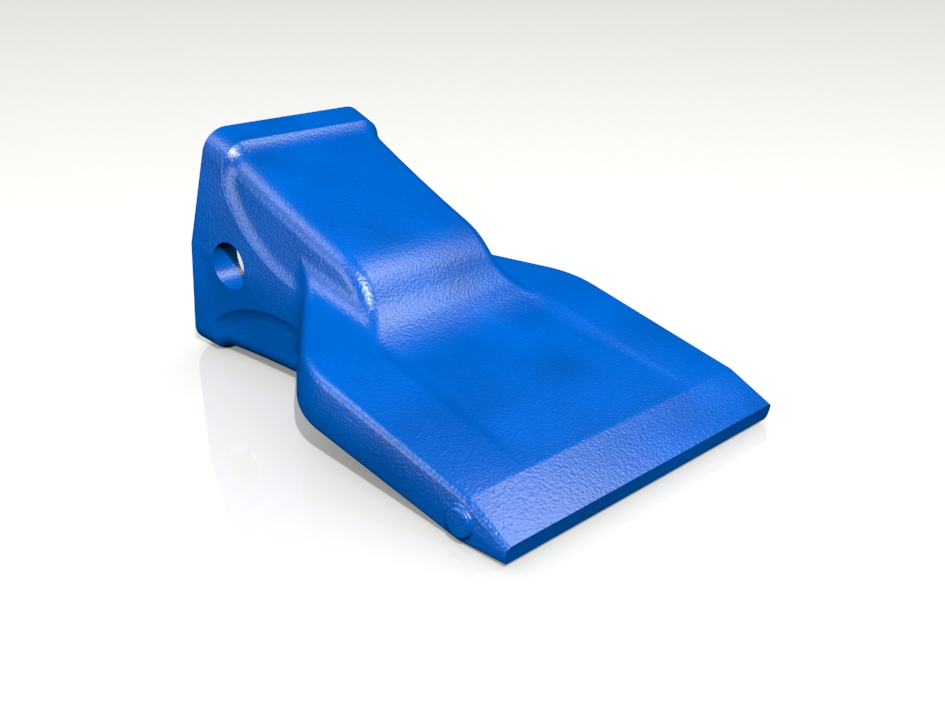
CAT® J550: tooth profiles, double-strap adapters and locking parts
CAT® J550 is an individual size within the side-locking CAT® J-System. The tooth tip is pushed onto a matching J550 adapter interface and secured laterally with locking pin and retaining ring. Reference number, tooth profile, adapter design, locking bore and the condition of the existing interface are decisive for correct selection.
J550 bucket teeth, J550 tooth adapters and locking parts must match the same system size. For size comparison within the system, refer to CAT® J-System. Other tooth systems are grouped under Teeth and Tooth Systems.
Selecting J550 tooth tips by reference and application profile
For CAT® J550, the tooth profile is a key selection criterion. J550 tooth tips differ in length, penetration behaviour, cutting width, wear volume and application profile. The decisive factor is the combination of reference number, profile and existing J550 adapter interface.
| Reference | Profile / design | Technical identification |
|---|---|---|
| 9W-8551 | Short | Short J550 tooth tip when a more compact design is required compared with long profiles |
| 1U-3552 | Long | Long J550 tooth tip for general digging and loading applications |
| 9N-4552 | Long HD / Heavy Duty |
Heavy Duty long design with increased wear volume compared with standard profiles |
| 9W-8559 | Sharp / penetration |
Profile for compacted or hard-to-penetrate materials |
| 9W-6559 | Penetration / pointed design |
Penetration-oriented J550 design in the LIS® range for narrow penetration geometry |
| 101-0712 | Double spike / Twin Tiger |
Double-spike geometry in the LIS® range for breakable materials and narrow penetration areas |
| 1U-3552RC | Rock Chisel | Design for rocky and abrasive operating conditions |
| 9W-1553RP3 | Rock Loader | Loader-oriented design in the LIS® range for applications with higher wear exposure |
| 9W-1553 | HD-Abrasion | HD-Abrasion design in the LIS® range for wear-intensive materials |
| 7J-9550 | Wide / Paddle | Wide tooth form in the LIS® range when more cutting width is required compared with narrow profiles |
The terms bucket tooth, tooth tip, excavator tooth and loader tooth are used differently in the market. For technical identification within J550, reference number, tooth profile, adapter interface and matching locking parts are decisive.
J550 tooth adapters: checking design and interface
J550 tooth adapters form the interface between the bucket lip or base edge and the tooth tip. Adapter selection is based on bucket lip, base edge, position on the tool and existing interface. In the current LIS® J550 allocation, the double-strap adapters 1U-1553 and 6I-6554 are relevant.
Before installation, lip thickness, base edge, bevel angle, welding situation and wear condition of the existing interface should be checked. The existing adapter interface must match the J550 tooth tip and the side locking parts.
The adapter should not be evaluated by the visible reference alone. Wear on the adapter nose, contact faces and locking bore also affects the fit and locking of the tooth tip.
Workshop check for J550: interface, play and locking parts
If visible play occurs at the tooth tip, the tooth should not be assessed in isolation. Adapter interface, locking bore, locking pin and retaining ring must be evaluated together. A worn interface can prevent a new tooth tip from seating correctly on the adapter.
A damaged locking pin, deformed retaining ring or worn locking bore can indicate wear in the connection. In this case, the existing J550 interface should be technically checked before further use.
Locking for CAT® J550: 6Y-8558, 8E-5559 and 8E-5559HD
In the LIS® J550 allocation, 6Y-8558 is relevant as the locking pin. 8E-5559 and 8E-5559HD are listed as LIS® article variants for retaining rings in the current J550 range. The locking parts must match the existing J550 interface and locking bore.
Locking parts are wear parts within the connection. If wear, damaged bores or unclear seating are visible, the existing connection should be technically checked.
Distinction from J460 and J600
CAT® J550 sits between smaller J460 components and larger J600 sizes. The systems cannot be reliably distinguished by tooth shape or bucket size alone. Reference number, adapter interface, locking bore and the corresponding locking parts are decisive.
If the existing interface is smaller or the reference does not match the J550 size, CAT® J460 may be relevant. If the adapter interface is larger, the locking geometry differs or matching J600 references are present, CAT® J600 should be checked.
Check before ordering
- Which reference number is visible on the existing tooth, adapter or locking part?
- Is the existing interface clearly designed for CAT® J550?
- Does the tooth profile match the application: short, long, long HD / Heavy Duty, sharp / penetration, penetration / pointed design, double spike / Twin Tiger, Rock Chisel, Rock Loader, HD-Abrasion or wide / Paddle?
- Is the adapter worn, loose or damaged at the weld-on area?
- Do locking pin 6Y-8558 and retaining ring 8E-5559 or 8E-5559HD match the existing locking bore?
- For adapters: do lip thickness, base edge and bevel angle match the adapter design?
LIS® cutting tools are covered by the lifetime breakage warranty in accordance with the LIS® warranty terms. Normal material wear is excluded. The applicable warranty terms are decisive.
📞 +49 (0)2241 26 56 700
Note: LIS® replacement parts. Brand names such as CAT® are used exclusively to identify compatibility. These are not original manufacturer parts.