


Oil-Lubricated Track Chains for Dozers and Crawler Undercarriages
Oil-lubricated track chains are steel undercarriage chains with an internally lubricated pin-and-bushing system. They are used mainly on dozers, crawler loaders and heavy crawler machines where high pulling forces, long operating hours and durable chain joints are required.
- Application: dozers, crawler loaders and heavy crawler machines
- Design: internal lubrication within the pin-and-bushing system
- Selection: verify chain pitch, link count, master link design and undercarriage configuration
📞 +49 (0)2241 26 56 700
Create your LIS customer account and get full access to our undercarriage filters.
What Is an Oil-Lubricated Track Chain?
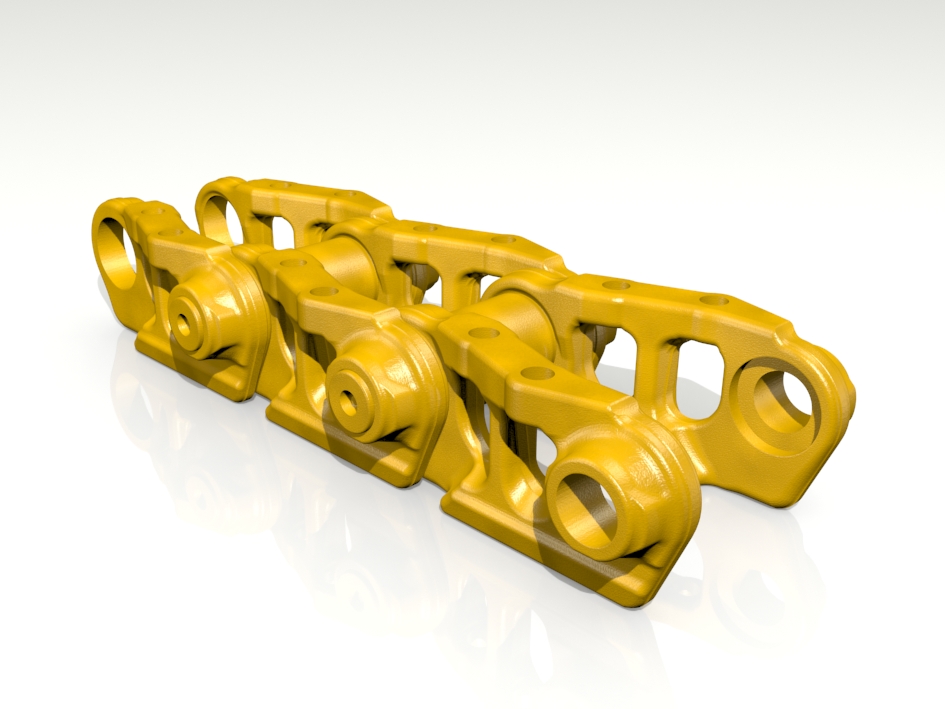
An oil-lubricated track chain is an undercarriage chain in which lubrication is retained inside the joint area between pins and bushings. This joint area forms the moving connection points of the chain and is exposed to high tensile forces, bending loads and wear during operation.
In international undercarriage terminology, oil-lubricated and sealed chains are commonly associated with SALT Track Chains or Sealed and Lubricated Track Chains. Individual chain sections are referred to as Track Links. The exact technical design of the existing chain remains decisive for correct identification.
How to Identify the Correct Track Chain
Machine manufacturer and model name alone are often not sufficient to identify the correct track chain. Different undercarriage versions, link counts or master link configurations may exist within the same machine series.
The key criteria are chain pitch, link count, master link design, pin-and-bushing system and the existing undercarriage configuration. Identification should therefore be based on technical data, existing undercarriage dimensions and machine assignment.
The LIS® Undercarriage Finder supports the selection of suitable undercarriage parts by manufacturer, model, version and serial number. Access requires a free LIS® customer account.
Pins, Bushings and Seals
Pins and bushings define the joint function of the track chain. Internal lubrication reduces friction in the joint area and supports consistent movement of the chain assembly.
Seals protect the lubricated joint system against dirt, moisture and material ingress. Damaged seals, worn joints or wear in the pin-and-bushing system can lead to chain elongation, increased undercarriage wear and irregular chain movement.
Chain Pitch, Link Count and Master Link Design
The chain pitch must match the sprocket, idler and overall undercarriage geometry. An incorrect pitch is not technically compatible with the existing undercarriage.
The link count determines the overall length of the track chain. The master link design affects installation, removal and repair of the chain assembly. Selection by machine model or machine weight alone is therefore not sufficient.
Split Master Links, Master Pins and End Links
Many oil-lubricated track chains use split master links, master pins or dedicated end links. These components are relevant for installation, removal and maintenance of the chain assembly.
The master link configuration must match the chain pitch, pin-and-bushing system and existing undercarriage design. Repair links and master links are only suitable when they correspond to the existing chain specification.
Typical Applications for Oil-Lubricated Track Chains
Oil-lubricated track chains are commonly used on dozers, crawler loaders and heavy crawler machines. Typical applications include earthmoving, grading, quarry work, material extraction and other operations with high undercarriage loads.
Depending on the machine and application profile, other crawler machines may also use oil-lubricated track chains. The technical specification of the existing undercarriage remains the decisive factor.
Typical Wear Patterns
Oil-lubricated track chains should be inspected when chain elongation, increased joint play, damaged seals, irregular chain movement or visible wear on pins and bushings occurs.
Worn sprockets, idlers, track rollers or carrier rollers can also increase load on the track chain. During undercarriage repair, the complete undercarriage system should therefore be evaluated.
Oil-Lubricated Track Chains within the Undercarriage System
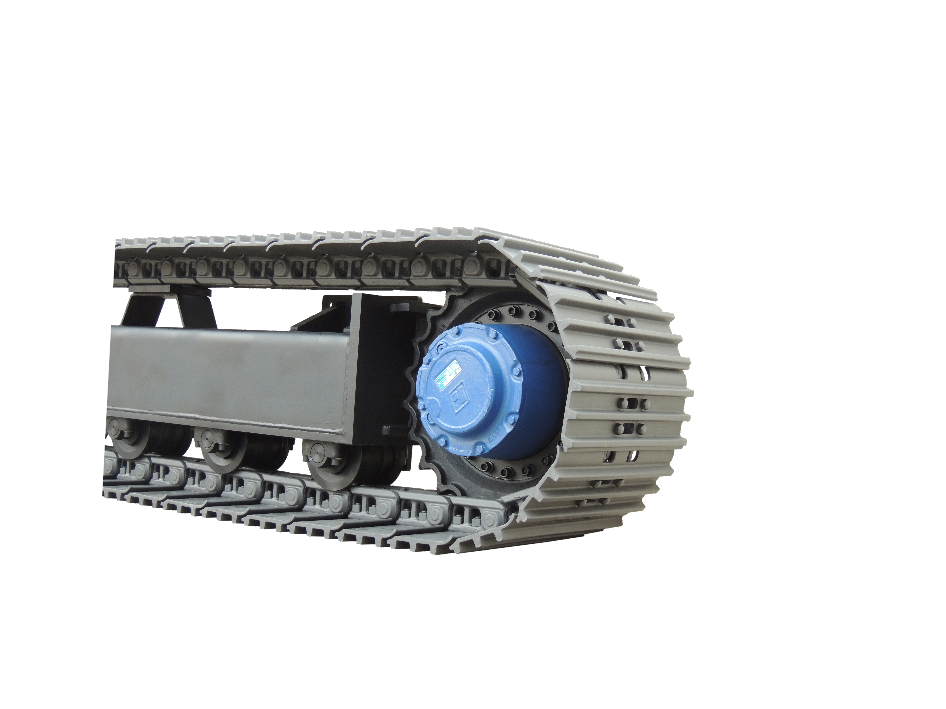
An oil-lubricated track chain does not operate as an isolated component. It is part of a complete crawler undercarriage. The sprocket engages with the chain, the idler redirects the chain assembly, the track adjuster maintains the required chain tension, track rollers carry the machine and carrier rollers support the upper chain run.
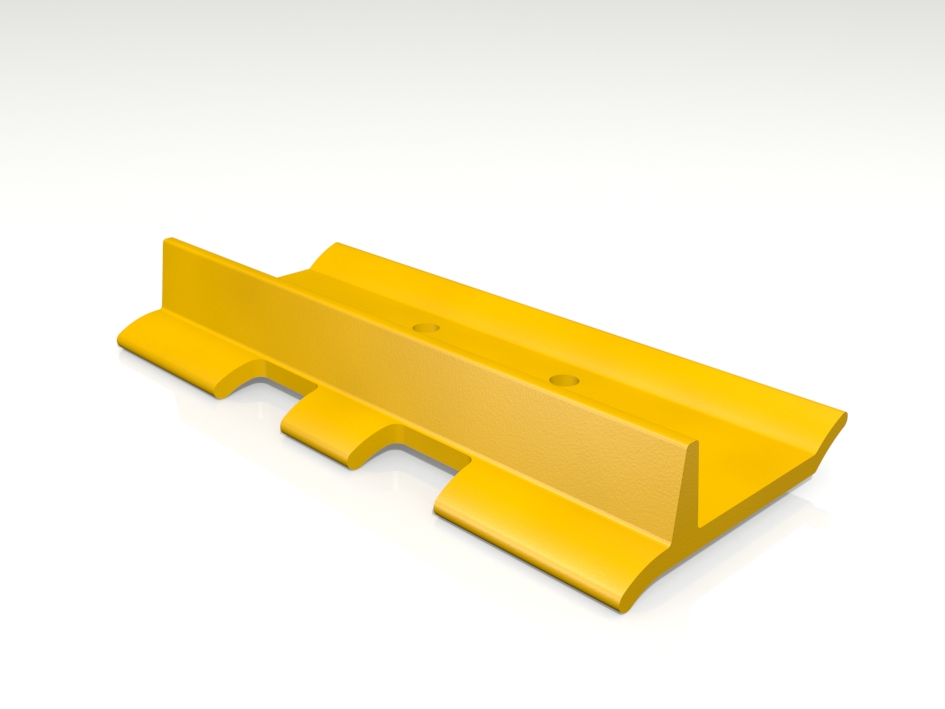
The track shoes mounted to the track chain transfer the machine load to the ground. If the track chain and track shoes are supplied pre-assembled, the component is classified as a complete track group. Related chain designs include grease-lubricated track chains and sealed dry track chains.
Oil-Lubricated Track Chains from LIS®
The LIS® range includes oil-lubricated track chains, track links and undercarriage chains for numerous dozers, crawler loaders and heavy crawler machines. Since chain pitch, link count, master link design and undercarriage configuration can vary even within the same machine series, identification using the LIS® Undercarriage Finder is recommended.
📞 +49 (0)2241 26 56 700